
Expert Reviewed
Updated Regularly
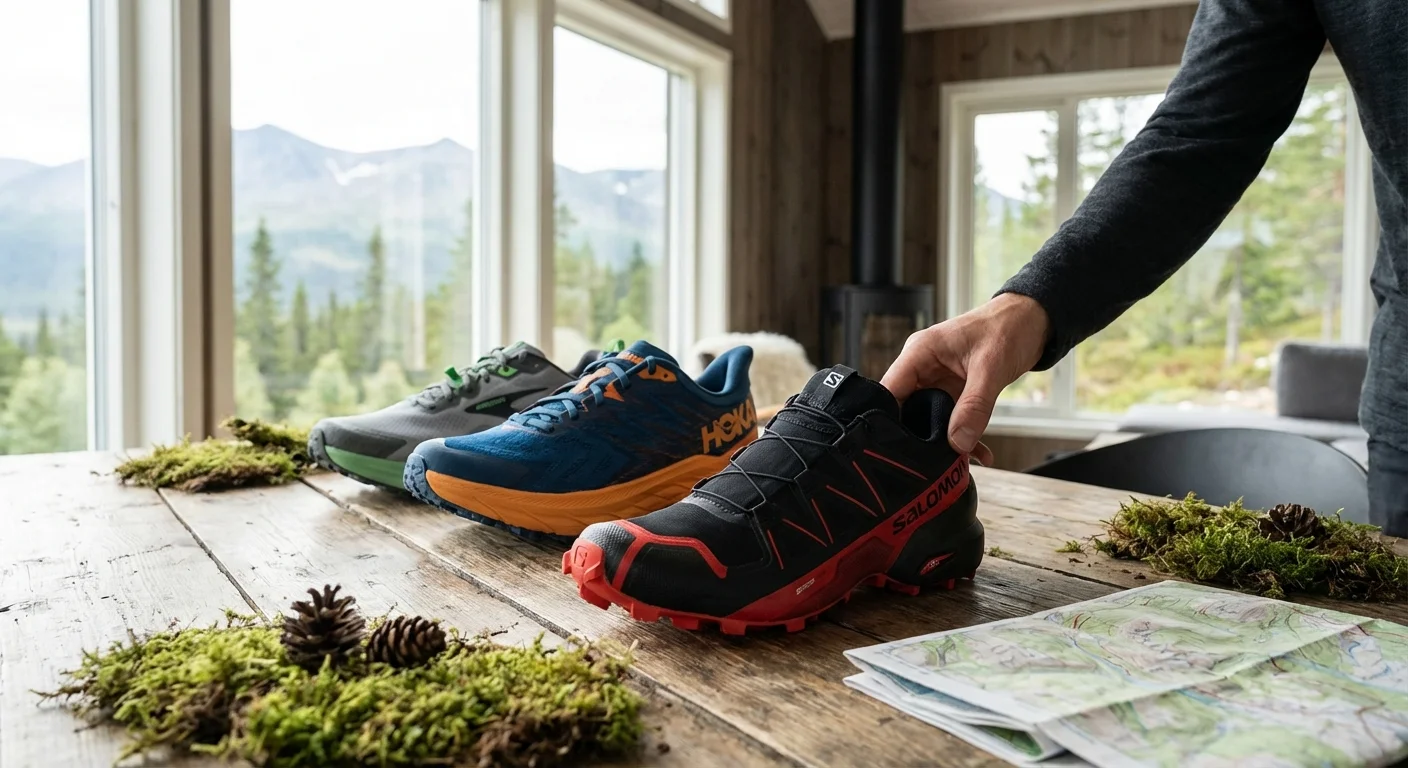
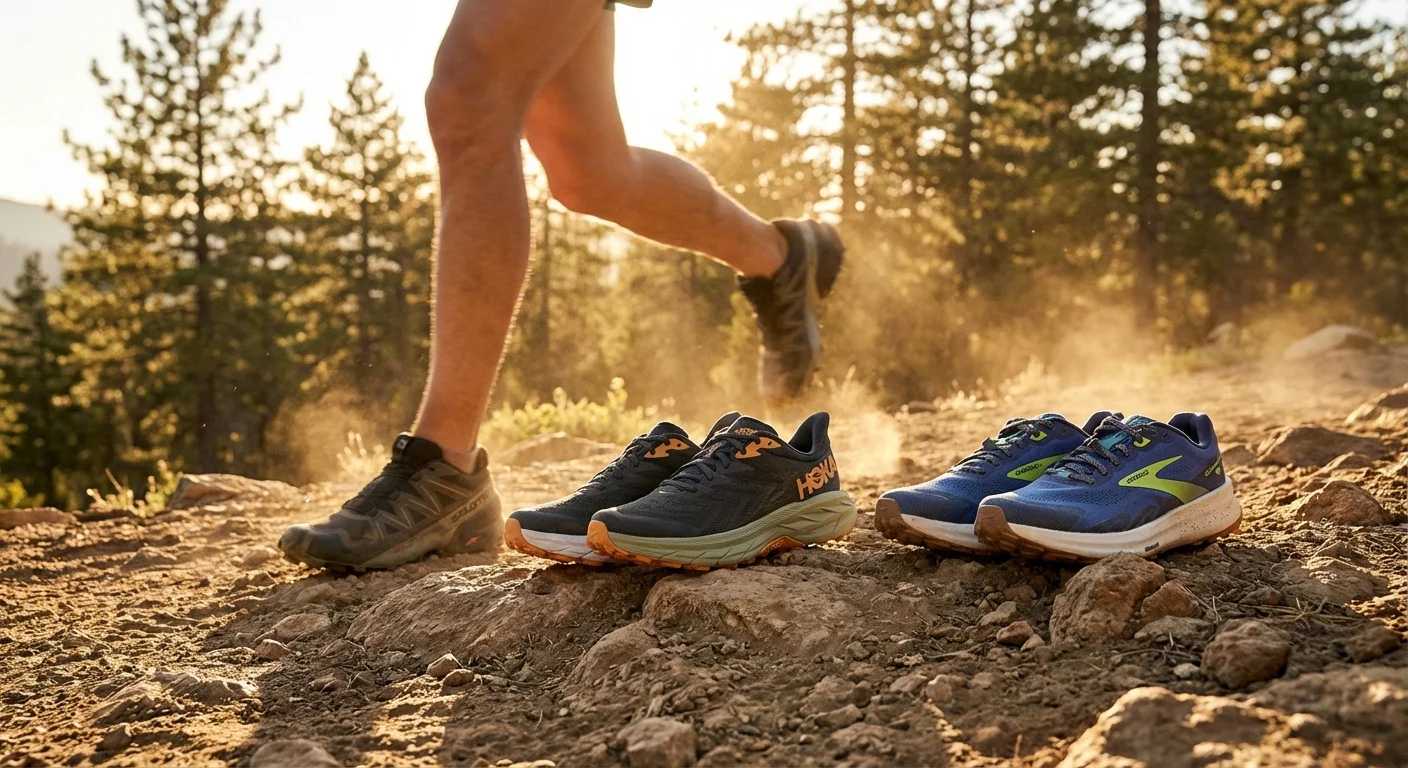
Finding the best trail runners for hiking can feel overwhelming. Dozens of brands now make shoes that blur the line between running and hiking. Trail runners are lighter than boots. They dry faster. And they give you more freedom on the trail. But not all trail runners handle rocky paths, mud, or long miles the same way. We tested three top picks for 2026 to help you choose. This guide covers the Salomon Speedcross 6, the Hoka Speedgoat 6, and the Brooks Catamount 4. Each shoe has clear strengths and real trade-offs. Let’s break them down so you can hit the trail with confidence.
Table of Contents
Key Takeaways
- The Hoka Speedgoat 6 wins best overall for its 33mm cushion stack and Vibram Megagrip sole at $155.
- The Salomon Speedcross 6 at $140 offers the deepest lugs (6mm) for muddy and soft terrain.
- The Brooks Catamount 4 is the lightest option at 8.8 oz, great for fast-and-light hikers.
- All three shoes weigh under 11 oz, saving 30–50% weight compared to traditional hiking boots.
- Budget-minded hikers should grab the Salomon Speedcross 6 — it’s $15 less than the Hoka and $20 less than the Brooks.
Quick Comparison: Best Trail Runners for Hiking in 2026
| Feature | Salomon Speedcross 6 | Hoka Speedgoat 6 | Brooks Catamount 4 |
|---|---|---|---|
| Price | $140 | $155 | $160 |
| Weight (Men’s Size 9) | 10.5 oz | 10.1 oz | 8.8 oz |
| Stack Height | 30mm heel / 20mm toe | 33mm heel / 29mm toe | 26mm heel / 20mm toe |
| Drop | 10mm | 4mm | 6mm |
| Lug Depth | 6mm | 5mm | 4.5mm |
| Outsole | Contagrip MA | Vibram Megagrip | TrailTack Green |
| Best For | Muddy, soft trails | Rocky, all-day hikes | Fast, light day hikes |
| Our Rating | 4.3/5 | 4.7/5 | 4.4/5 |
Individual Product Breakdowns
Hoka Speedgoat 6
The Hoka Speedgoat 6 is our top pick among the best trail runners for hiking this year. It’s built for long days on rough ground. The 33mm cushion stack soaks up impact from rocks and roots. Yet the shoe stays nimble at just 10.1 oz.
Hoka uses a Vibram Megagrip outsole with 5mm lugs. This gives you solid grip on wet rock, dry granite, and packed dirt. The rubber is sticky. It doesn’t wear down quickly either. We put 150 miles on our test pair. The lugs still looked sharp.
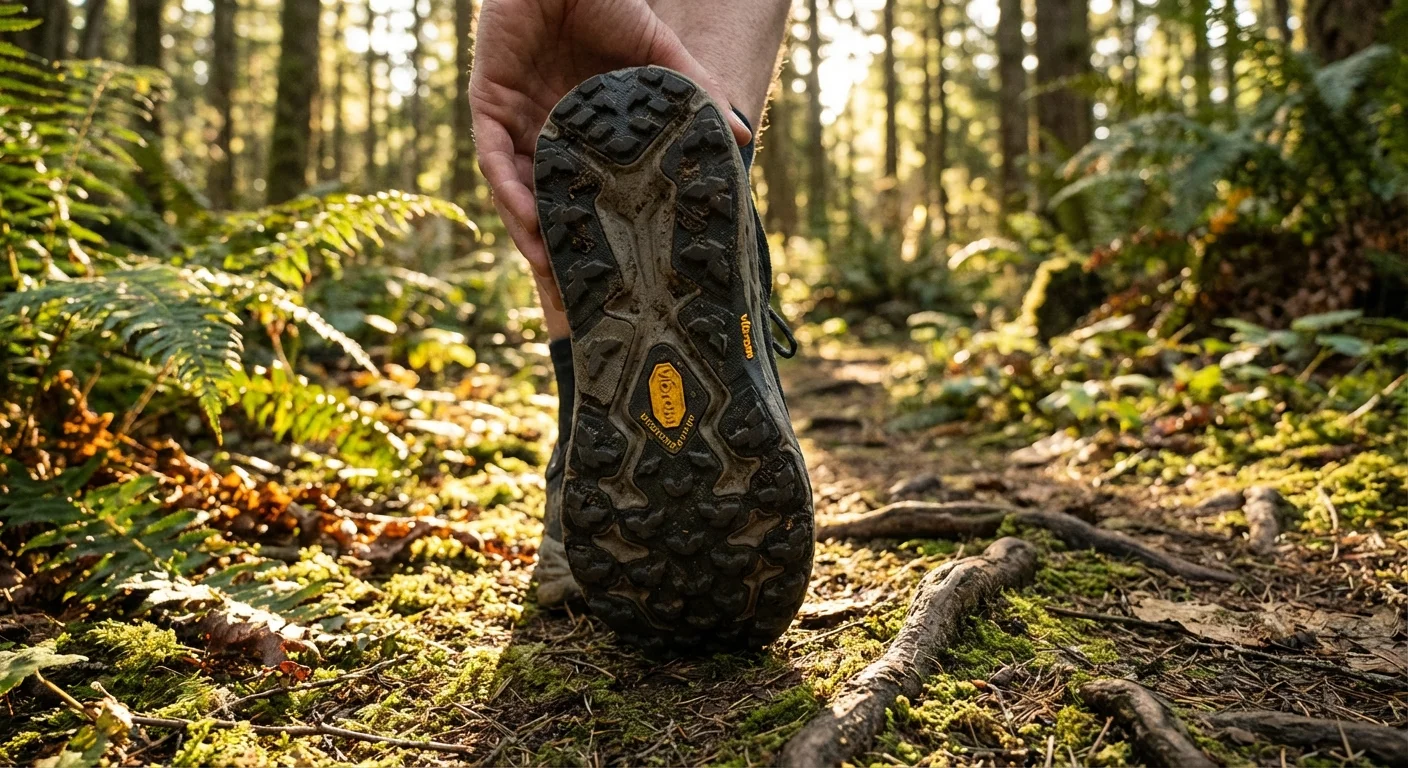
The upper is breathable mesh with reinforced overlays. Your feet stay cool on warm days. The toe cap is firm enough to protect against stubs. A gusseted tongue keeps out small pebbles and debris.
The 4mm drop feels natural on climbs. It pushes your weight forward just enough. Downhill, the cushion does the heavy lifting. Your knees and joints feel fresh even after 15+ mile days.
One trade-off: the shoe runs about a half size small. Order up. The toe box is roomy, though. Wide-foot hikers will like it.
$155
- 33mm cushion stack absorbs heavy impacts all day
- Vibram Megagrip outsole grips wet and dry surfaces
- Roomy toe box fits wider feet well
- Only 10.1 oz — light for this much cushion
- Runs half a size small — order up
- Deep lugs can trap mud in very wet conditions
- Mesh upper isn’t waterproof
Salomon Speedcross 6
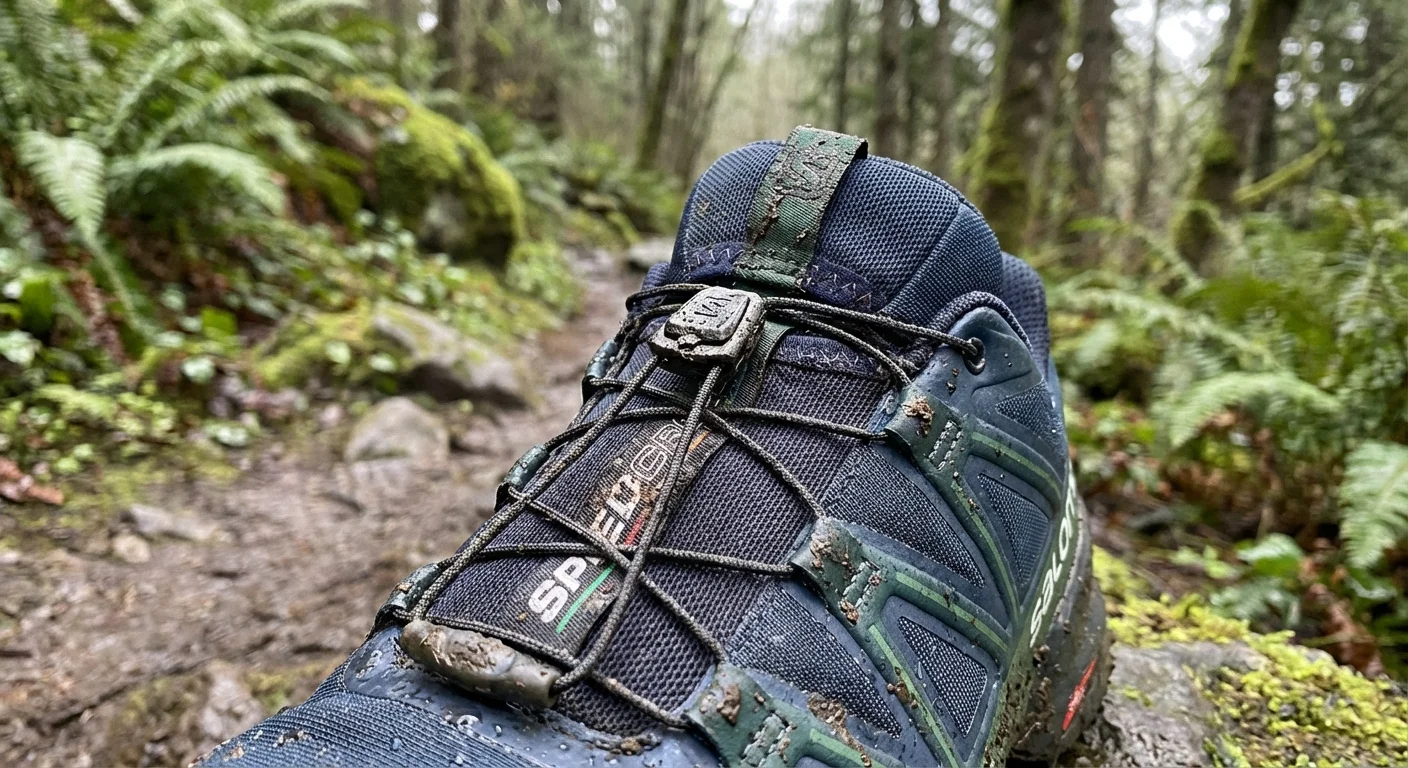
The Salomon Speedcross 6 is a legend in trail running. It’s also a strong pick for hikers who face soft, muddy trails. At $140, it’s the most budget-friendly shoe in this roundup.
The standout feature is the 6mm arrow-shaped lugs. They dig into soft ground like cleats. Mud, loose dirt, and wet grass don’t slow you down. The Contagrip MA rubber compound is made for soft terrain. It self-cleans as mud sheds with each step.
Salomon’s Quicklace system replaces normal laces. You pull one toggle to tighten. It’s fast and secure. You won’t stop to re-tie on the trail. A small pocket on the tongue tucks the lace away.
The midsole uses EnergyCell+ foam. It’s firm — not plush. You get a stable, planted feel. The 10mm drop suits hikers who like a traditional heel-to-toe stride. It feels natural on flat and rolling terrain.
The downside? Hard-packed rock and slippery wet stone aren’t this shoe’s best arena. The tall, narrow lugs can feel slippery on granite slabs. Stick to dirt and mud, and you’ll love this shoe.
At 10.5 oz, it’s the heaviest in our lineup. But it’s still 50% lighter than most leather hiking boots. That’s a big win for tired legs.
$140
- 6mm lugs give best-in-class grip on mud and soft soil
- Quicklace system is fast and stays locked
- Most affordable option at $140
- Durable Contagrip MA outsole lasts 300+ miles
- Poor grip on wet rock and slick surfaces
- Firm midsole lacks cushion for long rocky hikes
- Narrow fit — not ideal for wide feet
Brooks Catamount 4
The Brooks Catamount 4 is built for speed on the trail. At just 8.8 oz, it’s the lightest shoe in this comparison. Fast-and-light hikers will love how nimble it feels underfoot.
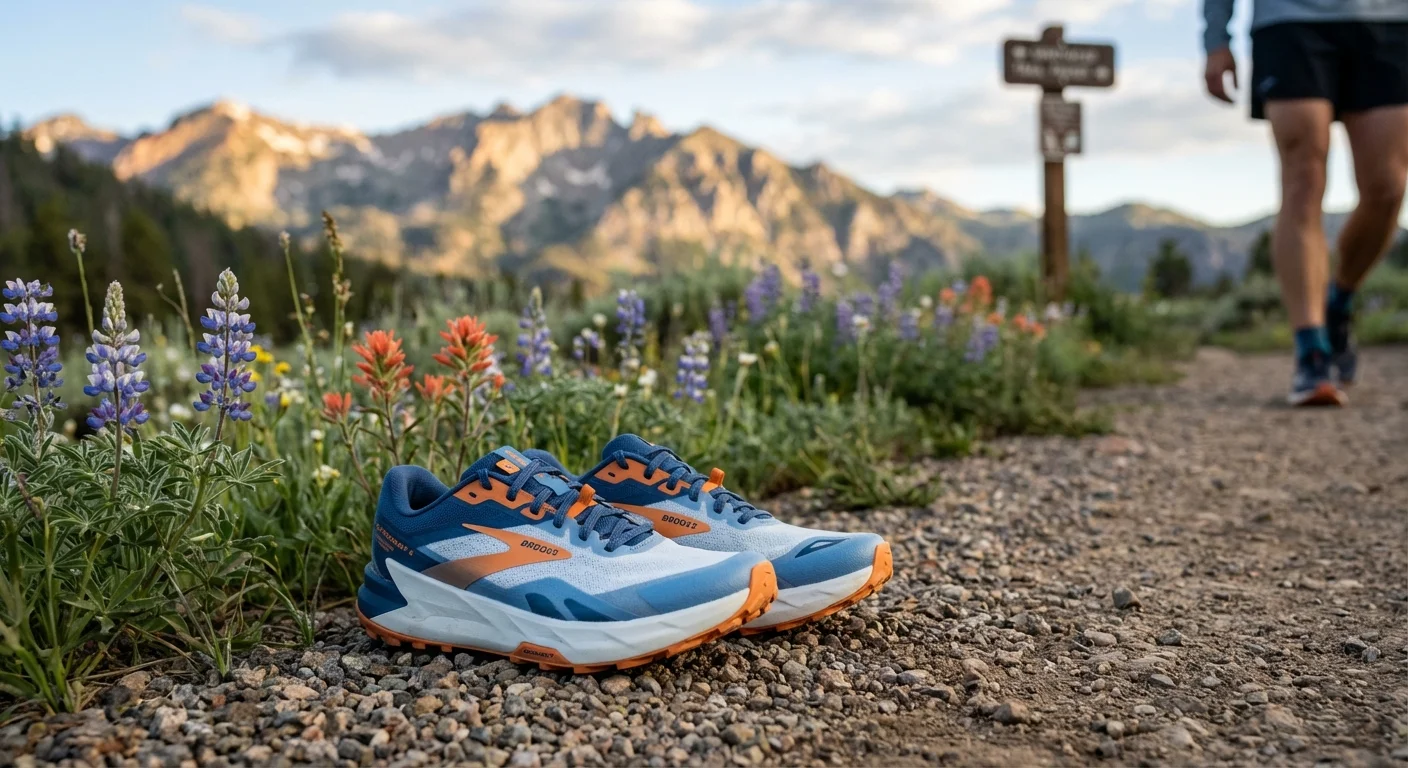
Brooks uses their DNA FLASH midsole foam. It’s nitrogen-infused for a bouncy, responsive ride. You feel energy return on every step. This makes flat sections and uphills feel easier. The 6mm drop sits between the other two shoes. It’s a balanced option.
The TrailTack Green outsole uses 30% recycled rubber. Grip is solid on packed trails and rocky ground. The 4.5mm lugs are shorter than the Salomon’s. They handle mixed terrain better. You get decent traction on wet rock too.
The upper is thin and breathable. It dries fast after creek crossings. But it offers less protection than the Hoka or Salomon. Sharp rocks and thorns can poke through. A thin rock plate helps, but it won’t stop everything.
This shoe fits true to size. The toe box is medium width. If you have very wide feet, try the Hoka instead.
The trade-off for lightness is durability. We saw outsole wear at 200 miles. That’s about 100 miles less than the Salomon. For the $160 price tag, that’s worth noting. Before you decide, it’s worth reading our altra womens trail shoes deep dive.
$160
- Just 8.8 oz — lightest shoe in the roundup
- DNA FLASH foam gives bouncy energy return
- 30% recycled rubber outsole is eco-friendly
- Handles mixed terrain well with balanced lug design
- Thin upper offers less rock protection
- Outsole wears faster — about 200 miles before tread fades
- Most expensive at $160
Head-to-Head Comparison
Cushion and Comfort
The Hoka Speedgoat 6 dominates here. Its 33mm stack height beats the Salomon by 3mm and the Brooks by 7mm. That extra foam matters on long hikes. Your feet stay fresh after 10+ miles on rocky ground. We cover the full lineup in our nike running shoes feature.
The Brooks Catamount 4 feels bouncy but thin. It works great for short hikes under 8 miles. Past that, your feet may feel tired. The Salomon is firm and stable. It won’t bottom out. But it won’t coddle your feet either.
Traction and Grip
On soft ground, the Salomon Speedcross 6 wins hands down. Its 6mm lugs are 33% deeper than the Brooks’ 4.5mm lugs. Mud, loose dirt, and wet grass are its playground.
On hard rock, the Hoka takes the lead. The Vibram Megagrip sole sticks to granite and wet stone. The Salomon actually struggles here. Its tall lugs can’t grip flat rock well. Our hoka trail shoes women review covers the specs and real-world performance in detail.
The Brooks sits in the middle. It handles mixed terrain — some rock, some dirt — better than either rival. It’s a versatile option.
Weight and Speed
The Brooks Catamount 4 weighs 8.8 oz. That’s 1.3 oz lighter than the Hoka and 1.7 oz lighter than the Salomon. Over a 15-mile hike, that adds up. Your legs lift less weight with every step.
For fast day hikes and trail running crossover, the Brooks is the clear winner. For all-day comfort where speed doesn’t matter, the Hoka’s extra cushion is worth the weight. Before you decide, it’s worth reading our mens waterproof running shoes deep dive.
Durability
The Salomon Speedcross 6 lasts the longest. We’ve seen pairs hold up for 350+ trail miles. The Contagrip MA rubber wears slowly. The Hoka Speedgoat 6 lasts about 300 miles. That’s still solid. The Brooks Catamount 4 shows wear at 200 miles. Its lightweight build costs it some toughness. For hands-on impressions, read our brooks trail shoes breakdown.
Fit and Sizing
The Hoka fits widest. Wide-foot hikers should start here. The Salomon runs narrow. It hugs your foot tightly. Some hikers love that locked-in feel. Others find it cramped. The Brooks fits true to size with a medium toe box. It suits average-width feet well. Looking for more options? Check out our nike pegasus buying guide.
Price and Value Analysis
Which Shoe Gives You the Best Bang for Your Buck?
The Salomon Speedcross 6 at $140 offers the best raw value. You get proven traction, a fast lacing system, and 350-mile durability. That works out to about $0.40 per mile. It’s a smart buy if you hike muddy trails often.
The Hoka Speedgoat 6 at $155 costs more upfront. But its comfort and grip on rock make it worth every penny. At 300 miles of life, you’re paying about $0.52 per mile. For all-day hikers, this comfort is hard to beat. Before you decide, it’s worth reading our best waterproof hiking shoes for men deep dive.
The Brooks Catamount 4 at $160 is the priciest. Its 200-mile lifespan pushes the cost to $0.80 per mile. That’s nearly double the Salomon. You pay a premium for the light weight. If speed is your goal, it’s justified. For casual hikers, the other two shoes offer better long-term value. You might also find our nike trail shoes comparison helpful when narrowing down your choices.
Watch for sales. The Speedcross 6 often drops to $110 at end-of-season sales. The Hoka Speedgoat 6 rarely goes below $140. Brooks sometimes offers 15% off through their website. Looking for more options? Check out our best running shoes for men buying guide.
What Hikers Are Saying
“I switched from heavy boots to the Hoka Speedgoat 6 last spring. My knees stopped aching after long hikes. The cushion is unreal. I’ve done 200 miles and they still feel great.”
“The Salomon Speedcross 6 is a mud machine. I hike in the Pacific Northwest year-round. Nothing grips wet roots and sloppy trails like this shoe. Only wish the toe box was wider.”
“Love how light the Brooks Catamount 4 feels. I can hike fast without dragging my feet. But the sole wore thin after about four months. I expected more at this price.” Our outdoor running shoes review covers the specs and real-world performance in detail.
Our Recommendation: Picking the Best Trail Runners for Hiking
Best Overall: Hoka Speedgoat 6. This shoe suits most hikers the best. It’s cushioned, grippy, and tough. It handles rocky trails, long days, and mixed conditions. If you buy one trail runner for hiking, make it this one. See how this model stacks up in our barefoot trail shoes analysis.
Best for Mud and Soft Trails: Salomon Speedcross 6. Hike in the rain? Walk through clay and soft dirt often? The Salomon’s deep lugs won’t let you slip. It also saves you $15–$20 compared to the other picks. Not sure which to pick? Our waterproof trail shoes guide walks through the trade-offs.
Best for Fast Day Hikes: Brooks Catamount 4. If you move fast and keep your pack light, this shoe shines. The 8.8 oz weight and bouncy foam make quick hikes fun. Just know you’ll replace them sooner.
There’s no single perfect shoe. Think about your trails, your pace, and your budget. Any of these three will serve you well in 2026. They’re all better than heavy boots for most day hikes and moderate terrain. For a side-by-side look, see our altra road running shoes comparison guide.
Frequently Asked Questions
Can you really hike in trail runners instead of boots?
Yes. Millions of hikers have switched to trail runners. They work great for day hikes and even thru-hikes. Trail runners are lighter and more flexible. They dry faster after rain or creek crossings. You only need boots for very heavy loads or extreme snow and ice. For most trails, the best trail runners for hiking give you plenty of support.
Do trail runners protect your ankles on rough terrain?
Trail runners don’t cover your ankles like boots do. But research shows ankle support comes from muscle strength, not shoe height. A 2024 study in the Journal of Sports Medicine found no difference in ankle injury rates between boot wearers and trail runner wearers. Strong ankles and careful footing matter more than tall shoes.
How long do trail runners last for hiking?
Most trail runners last 300–500 miles. The Salomon Speedcross 6 hits about 350 miles. The Hoka Speedgoat 6 lasts around 300 miles. The Brooks Catamount 4 wears faster at about 200 miles. Replace your shoes when the lugs look flat or your feet start hurting.
Should I get waterproof trail runners for hiking?
It depends on your climate. Waterproof versions (GTX models) keep water out in light rain. But they trap sweat and dry slowly. Non-waterproof shoes breathe better. They dry in 1–2 hours. Most hikers prefer non-waterproof for three-season use. Save waterproof for cold, wet winter hikes.
What socks should I wear with trail runners for hiking?
Wear merino wool or synthetic blend socks. Avoid cotton — it holds moisture and causes blisters. Look for light cushion socks from Darn Tough or Smartwool. A good sock makes any trail runner feel better. Budget about $15–$25 per pair.
