
Expert Reviewed
Updated Regularly
TITLE: How to Choose Trail Running Shoes: A Complete 2026 Guide
Picking the right trail running shoes can feel overwhelming. There are hundreds of models on the market in 2026. Each one promises grip, comfort, and speed on the trails. But the wrong pair can lead to blisters, rolled ankles, or sore knees.
This guide walks you through every step of choosing trail running shoes. You’ll learn how to match a shoe to your foot, your terrain, and your goals. By the end, you’ll feel confident buying your next pair. Let’s get started.
Table of Contents
Key Takeaways
- Measure both feet at the end of the day when they’re largest — feet swell up to half a size during runs.
- Choose 4-6mm lugs for muddy trails and 2-4mm lugs for hard-packed dirt or rocky terrain.
- Leave a thumb’s width (about 10-12mm) of space between your longest toe and the shoe’s front.
- Replace trail running shoes every 300-500 miles to maintain proper cushion and grip.
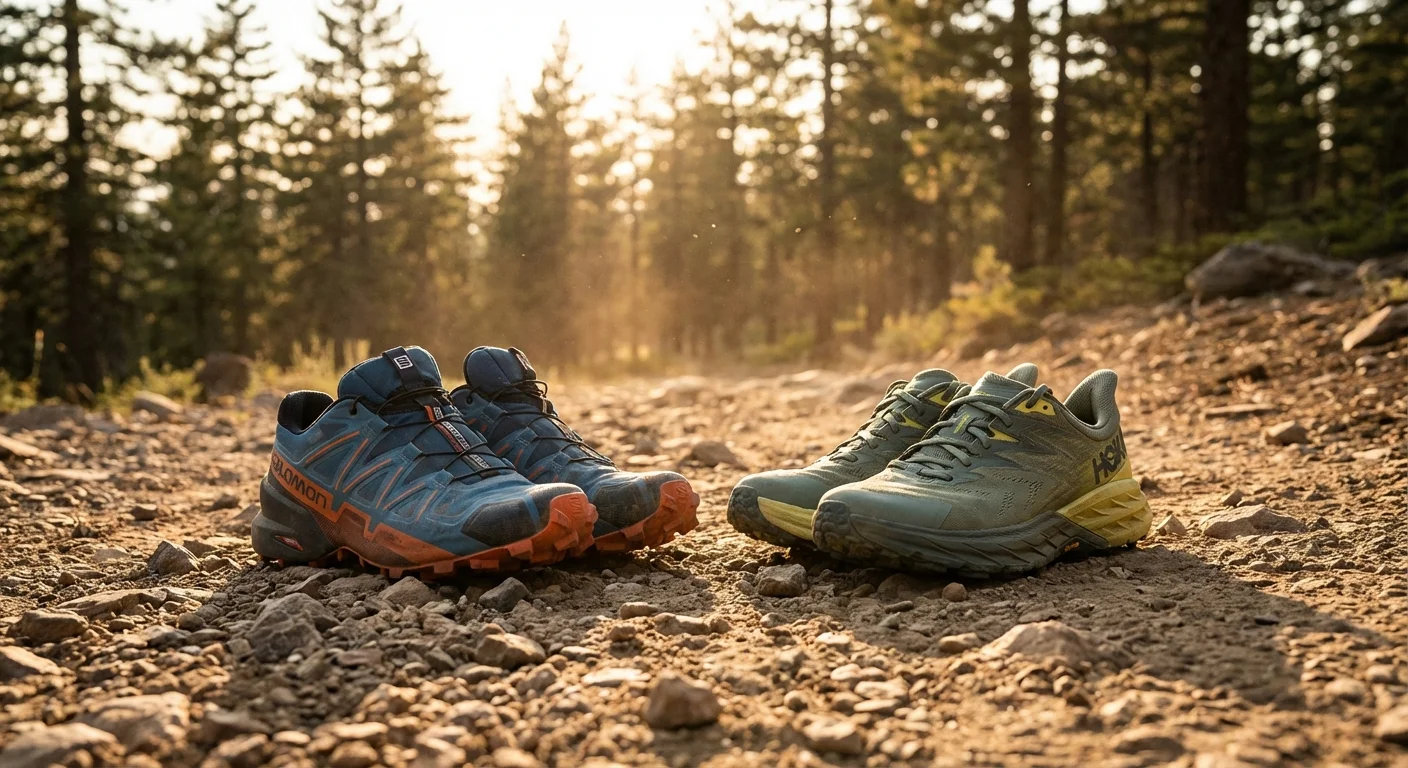
- Popular 2026 picks like the Salomon Speedcross 6, Hoka Speedgoat 6, and Brooks Catamount 4 each suit different trail types.
Quick Answer
To choose trail running shoes, first know your terrain. Rocky trails need stiff soles and rock plates. Muddy trails need deep lugs (4-6mm). Then get your feet measured and try shoes on in the afternoon. Always go half a size up from your road shoe size.
What You’ll Need
- A Brannock device or printable foot-measuring guide
- Your current running socks (bring them when trying shoes)
- A pen and paper to note your foot measurements
- Knowledge of your local trail conditions (mud, rock, gravel, etc.)
- Your weekly mileage and running goals
Step-by-Step Guide to Choosing Trail Running Shoes
Step 1: Identify Your Trail Terrain
Your terrain decides everything. Different trails demand different shoe features. Start by thinking about where you run most often.
Hard-packed dirt and gravel trails need less aggressive tread. A shoe with 2-4mm lugs works well here. Think of the Hoka Challenger 8 or Nike Pegasus Trail 5. These feel closer to road shoes but add grip.
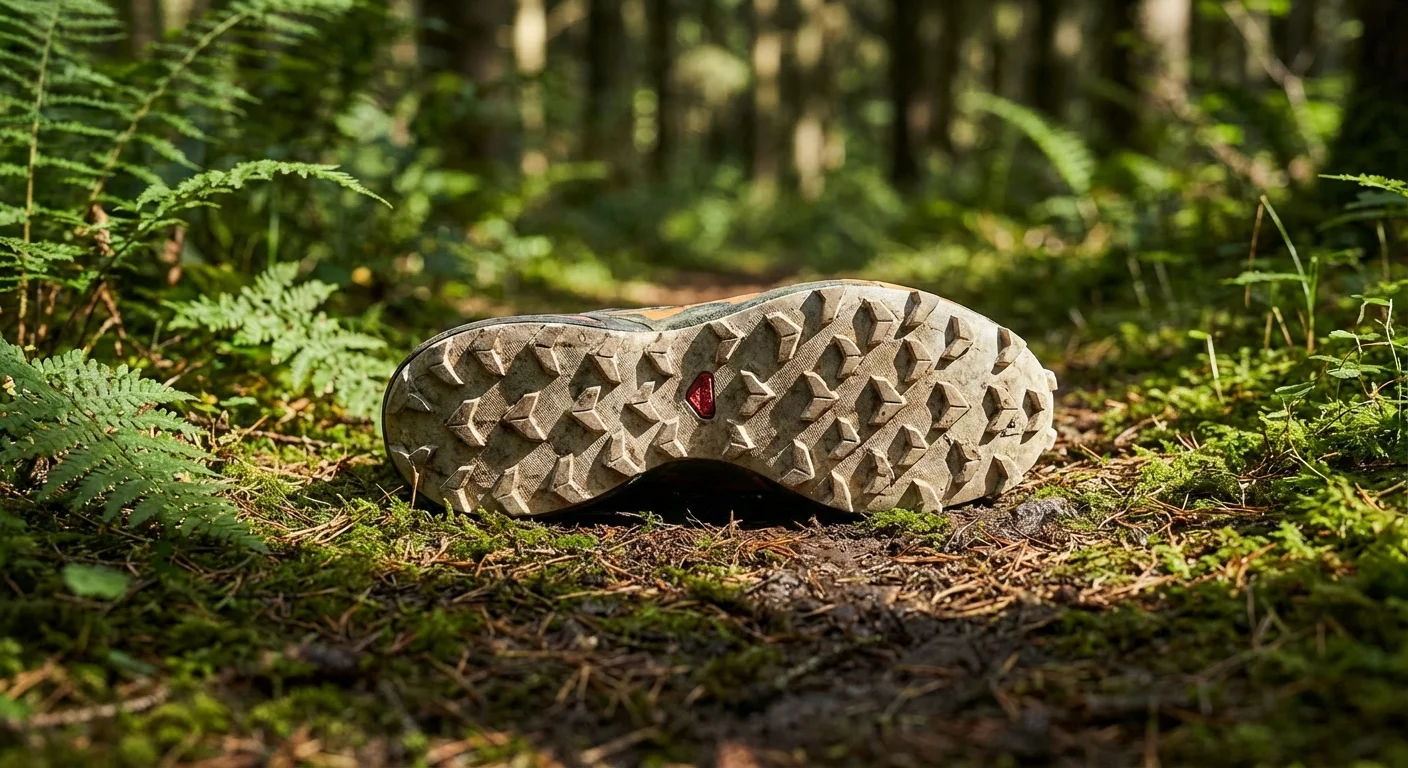
Muddy, wet trails need deep lugs. Look for 4-6mm lugs with wide spacing. The Salomon Speedcross 6 is a classic choice here. Mud sheds easily from well-spaced lugs.
Rocky, technical terrain needs a stiff sole and a rock plate. The Salomon Ultra Glide 3 or La Sportiva Bushido III handle rocks well. A rock plate is a thin, stiff layer in the midsole. It stops sharp stones from bruising your foot.
Pro tip: If you run on mixed terrain, pick a versatile shoe. The Hoka Speedgoat 6 handles almost every surface well.
Step 2: Measure Your Feet Properly
Many runners skip this step. Don’t. Your feet change shape over time. Measure them at least once a year.
Use a Brannock device at a shoe store. Or print a sizing chart at home. Measure both feet. Most people have one foot slightly larger than the other.
Always measure in the afternoon or evening. Your feet swell during the day. They also swell during long runs. This gives you the most accurate size.
Write down your length and width for both feet. You’ll want to buy shoes that fit your larger foot.
Pro tip: Stand up while measuring. Your foot spreads under your body weight. Sitting measurements aren’t accurate.
Step 3: Understand Shoe Anatomy
You don’t need to be an expert. But knowing a few key parts helps you compare shoes.
The upper is the fabric that wraps your foot. Mesh uppers breathe well. Reinforced uppers protect against rocks and brush.
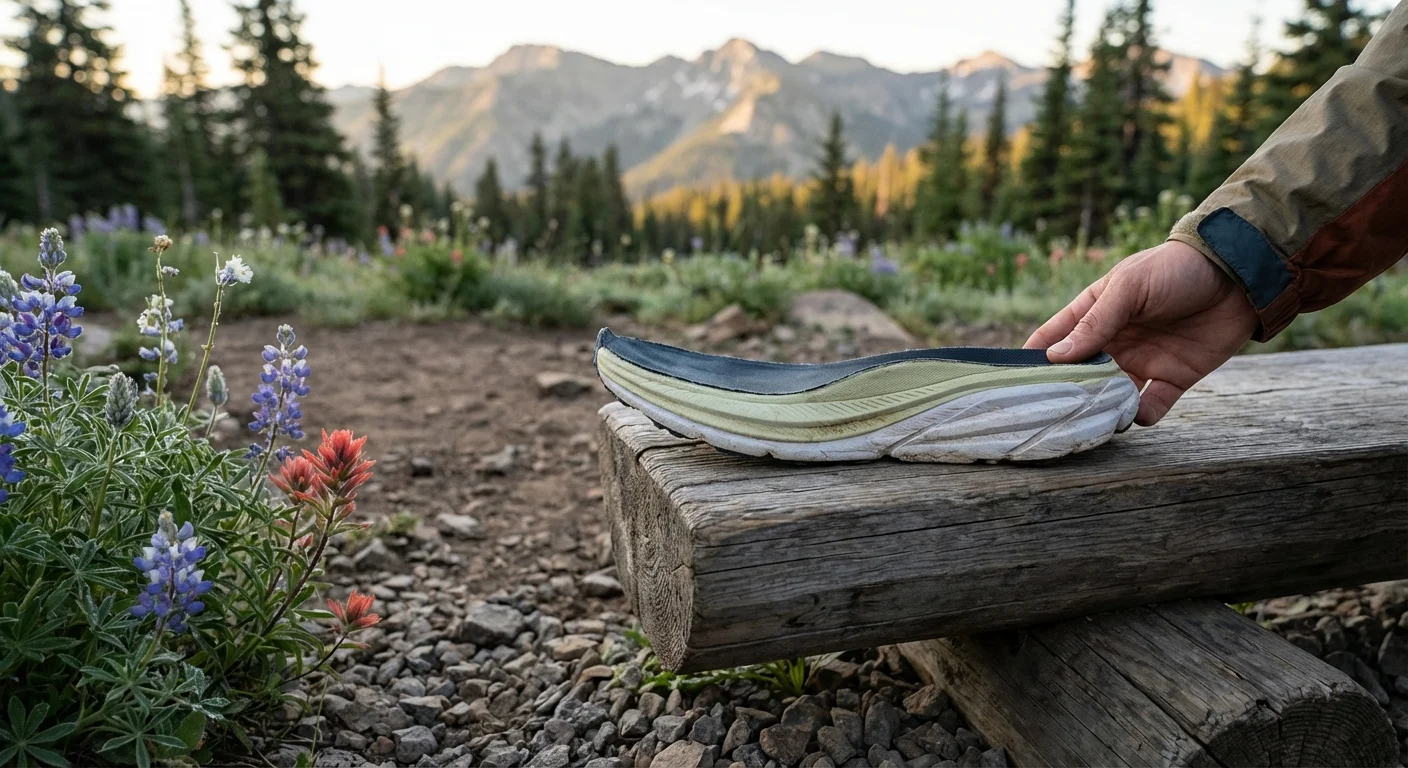
The midsole provides cushion. It sits between your foot and the ground. More cushion (25-35mm stack height) helps on long runs. Less cushion (15-22mm) gives you better ground feel.
The outsole is the rubber bottom. Lug depth and pattern matter here. Sticky rubber compounds like Vibram Megagrip give great traction on wet rock.
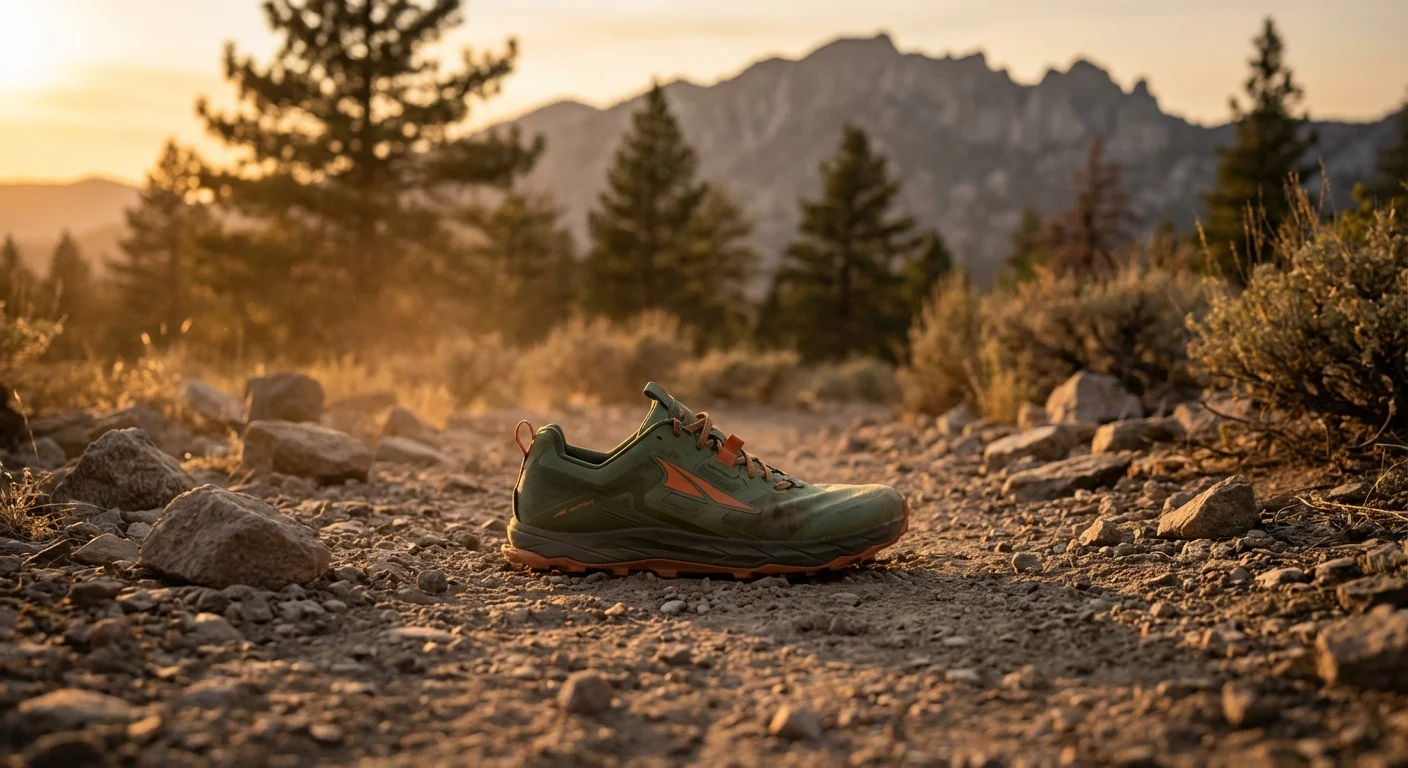
The drop is the height difference between heel and toe. A 4-8mm drop suits most trail runners. Zero-drop shoes like Altra Lone Peak 8 let your foot sit flat.
Pro tip: If you’re new to trails, start with a moderate drop (6-8mm). It feels familiar coming from road shoes.
Step 4: Choose Your Cushion Level
Cushion level depends on your distance and preferences. There’s no single right answer.
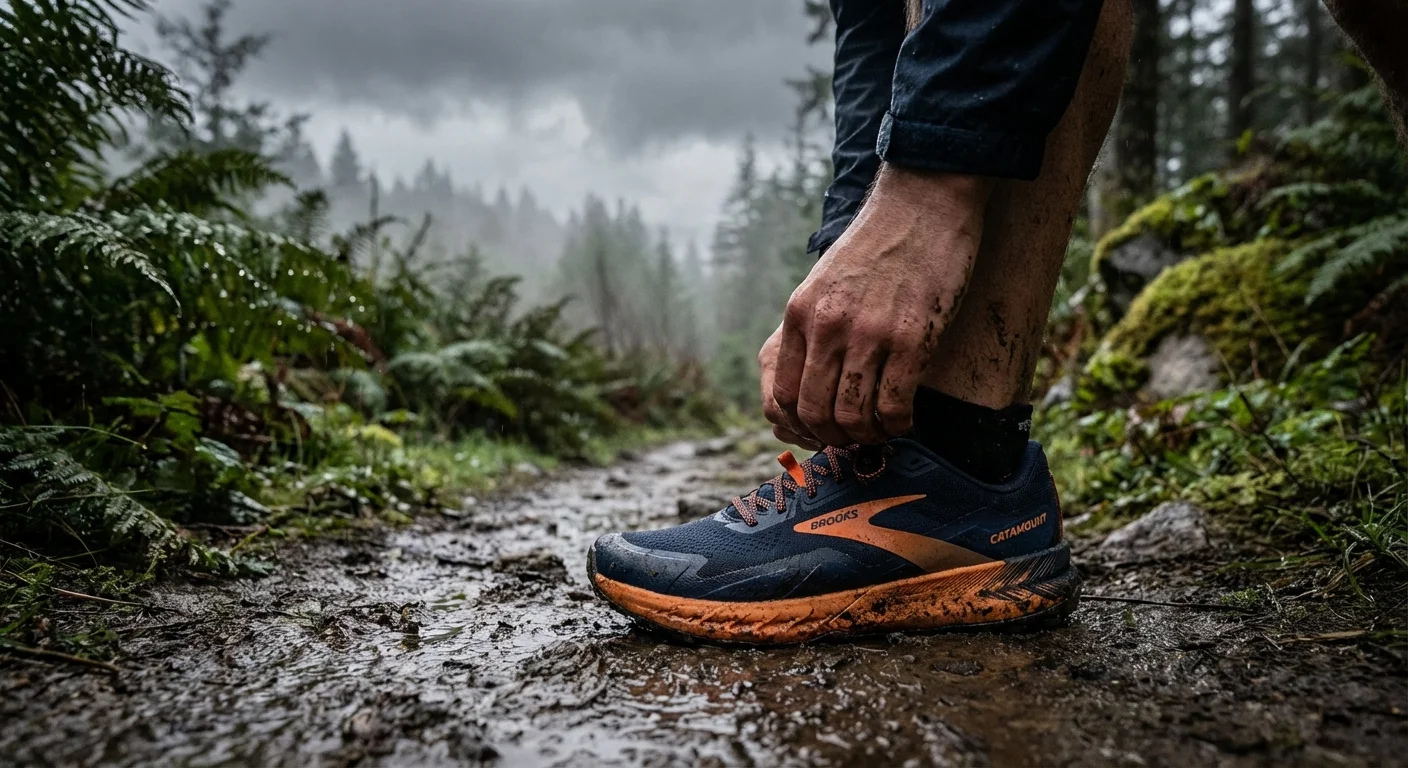
For runs under 10 miles, a low-to-medium cushion shoe works great. The Brooks Catamount 4 is a good example. It’s light and responsive.
For runs over 10 miles or ultras, go for maximum cushion. The Hoka Tecton X3 or Hoka Speedgoat 6 offer thick, soft midsoles. Your feet will thank you at mile 20.
For fast, short trail races, consider a minimal shoe. Less cushion means less weight. The Nike Zegama 2 is a popular speed-focused option.
Pro tip: Your body weight matters too. Heavier runners often prefer more cushion for joint protection.
Step 5: Get the Right Fit
Trail shoes should fit differently than road shoes. You need more room in the toe box. Your toes will swell and spread on rough terrain.
Leave about a thumb’s width (10-12mm) between your longest toe and the front. This prevents black toenails on downhill sections.
The heel should feel snug but not tight. You don’t want slipping. A sloppy heel leads to blisters fast.
The midfoot should feel locked in. Many trail shoes have lacing systems or gusseted tongues. These keep debris out and your foot secure.
Try shoes with the socks you’ll actually run in. Thick trail socks change the fit. Brands like Darn Tough and Smartwool make great running socks.
Pro tip: Walk on an inclined surface in the store. Lean forward and backward. Your toes shouldn’t hit the front when you lean forward.
Step 6: Test for Stability and Support
Ankle rolls are common on trails. Your shoe can help prevent them. But not all shoes handle this the same way.
Look for a wider platform if you need stability. Shoes like the Topo Athletic Ultraventure 4 have a broad base. This helps on uneven ground.
Some shoes have built-in lateral support. Reinforced sidewalls keep your foot from rolling. The Salomon Sense Ride 6 does this well.
If you overpronate, look for mild support features. Trail shoes rarely have heavy stability posts. The natural terrain forces your foot to adapt.
Pro tip: Strengthen your ankles with balance exercises. No shoe can fully prevent a rolled ankle. Strong ankles are your best defense.
Step 7: Consider Waterproofing
This is a personal choice. There are real trade-offs to think about.
Waterproof shoes (often labeled GTX for Gore-Tex) keep water out. They’re great for cold, wet conditions. The Salomon Ultra Glide 3 GTX is a popular pick.
But waterproof shoes trap heat. Your feet will sweat more. And once water gets in over the collar, it stays in. It can’t drain out.
Non-waterproof mesh shoes breathe better. They dry faster. For summer or warm climates, mesh wins every time.
Pro tip: Most trail runners skip waterproofing. Wet feet dry out. Hot, sweaty feet cause more blisters than wet ones.
Step 8: Buy, Break In, and Test
Buy from a store with a good return policy. Many shops offer 30-60 day trial periods. REI gives you a full year in 2026.
Wear your new trail running shoes around the house for a few days. Walk in them. Jog lightly. Check for hot spots or pressure points.
Then take them on a short, easy trail run. Start with 3-5 miles. Pay attention to how your feet feel on uphills and downhills.
If something feels off, return them. Don’t force a bad fit. The right shoe should feel good from almost the first run.
Pro tip: Keep the receipt and original box. Some stores won’t accept returns without them. Take a photo of the receipt as backup.
Pro Tips for Trail Running Shoes
Rotate two pairs. Switching between shoes extends their life. It also lets each pair dry fully between runs. Try one cushioned shoe and one lighter shoe.
Track your mileage. Replace trail running shoes every 300-500 miles. The outsole may look fine. But the midsole cushion breaks down before the rubber wears out. Use an app like Strava to log shoe mileage.
Match socks to shoes. Thin socks work in snug-fitting shoes. Thick socks pair better with roomy toe boxes. Merino wool socks reduce blisters and manage moisture.
Check lug wear monthly. Worn lugs lose grip fast. If the lugs look flat or smooth, it’s time for new shoes. This matters most in wet or muddy conditions.
Don’t use trail shoes on pavement. Asphalt wears down soft rubber lugs quickly. Save your trail shoes for dirt. Use road shoes for road miles.
Troubleshooting Common Trail Shoe Problems
Problem: Black Toenails After Downhill Runs
Solution: Your shoes are too short. Go up half a size. Make sure there’s a thumb’s width of space in front of your toes. Also, tie your laces tighter through the midfoot to stop forward sliding. We tested several alternatives in our nike trail shoes roundup.
Problem: Blisters on Heels or Toes
Solution: Check your sock choice first. Cotton socks cause friction. Switch to merino wool or synthetic socks. If blisters continue, the shoe may be too loose. Try a heel-lock lacing pattern.
Problem: Feet Feel Bruised on Rocky Trails
Solution: You need a rock plate. Look for shoes with a TPU or carbon rock plate in the midsole. The La Sportiva Bushido III and Salomon Ultra Glide 3 both include one.
Problem: Slipping on Wet Rocks and Roots
Solution: Your outsole rubber may not be sticky enough. Look for Vibram Megagrip or Contagrip MA rubber. These compounds grip wet surfaces much better than standard rubber.
Problem: Shoes Feel Heavy After Creek Crossings
Solution: Skip the waterproof version. Choose a mesh upper that drains fast. Shoes with drain ports or open mesh dry in 15-20 minutes on warm days.
Frequently Asked Questions About Trail Running Shoes
How are trail running shoes different from road running shoes?
Trail running shoes have deeper lugs for traction on dirt and mud. They also have stiffer soles to protect against rocks. Most have reinforced uppers to handle brush and debris. Road shoes focus on cushion and smooth pavement performance. You can feel the difference right away on uneven ground.
Can I use trail running shoes on the road?
You can, but it’s not ideal. The soft rubber lugs wear down fast on pavement. The aggressive tread can also feel awkward on flat surfaces. If you run mostly roads with short trail sections, a hybrid shoe works better. The Hoka Challenger 8 is a great road-to-trail option.
How often should I replace trail running shoes?
Most trail shoes last 300-500 miles. This depends on your weight, terrain, and running style. Rocky terrain wears shoes faster than soft dirt. Check your lugs and cushion monthly. If the midsole feels flat or the lugs are smooth, it’s time for a new pair.
Do I need waterproof trail running shoes?
Most runners don’t need waterproof shoes. They trap heat and sweat. Non-waterproof mesh shoes dry much faster. Waterproof models work best in cold, wet winter conditions. If your runs are mostly in warm weather, skip the Gore-Tex.
What drop should I choose for trail running shoes?
A 4-8mm drop works for most trail runners. This feels natural and familiar. Zero-drop shoes (like the Altra Lone Peak 8) let your foot sit flat. They strengthen your calves over time. But switch slowly. Dropping too fast can strain your Achilles tendon.
Should trail running shoes be a size bigger?
Go up about half a size from your road shoe. Your feet swell during trail runs. Downhill sections push your foot forward. That extra space prevents black toenails. A thumb’s width in front of your longest toe is the standard rule.
Final Thoughts
Choosing trail running shoes doesn’t have to be hard. Know your terrain. Measure your feet. Understand the basics of cushion, drop, and traction.
Start with one good pair that matches where you run most. Test them on short runs first. Pay attention to comfort, grip, and fit on hills.
The best trail running shoes are the ones that make you forget about your feet. When your shoes work, you focus on the trail. And that’s the whole point.
Get out there and enjoy the dirt. Happy trails in 2026!
