
Expert Reviewed
Updated Regularly
If you’ve ever asked “what is the best trail shoe?” you know the answer isn’t simple. Your ideal shoe depends on terrain, distance, foot shape, and budget. Rocky mountain paths demand different gear than smooth forest trails.
We tested dozens of trail runners across mud, gravel, rock, and roots. This list covers the 10 best trail shoes in 2026 for every type of runner. We judged each shoe on grip, comfort, durability, weight, and value. Whether you’re a casual hiker or an ultra-marathon veteran, you’ll find your perfect match here.
Table of Contents
Key Takeaways
- The Salomon Speedcross 7 earns Best Overall for its aggressive grip, 10.4 oz weight, and $140 price point.
- Budget shoppers should grab the Merrell Trail Glove 8 at just $100 — it’s the best value trail shoe in 2026.
- For rocky, technical terrain, the La Sportiva Bushido III offers a rock plate and Vibram Megagrip sole for $165.
- Trail shoes with at least 4mm lugs handle mud and wet surfaces far better than road-to-trail hybrids.
- Most runners should replace trail shoes every 300–500 miles to keep traction and cushioning fresh.
| Product | Best For | Key Feature | Rating |
|---|---|---|---|
| Salomon Speedcross 7 | Overall performance | Mud-gripping Contagrip lugs | 4.8/5 |
| Hoka Tecton X3 | Ultra-distance runs | Carbon fiber plate | 4.7/5 |
| Nike Ultrafly Trail | Fast trail racing | ZoomX foam midsole | 4.6/5 |
| La Sportiva Bushido III | Rocky terrain | Vibram Megagrip sole | 4.6/5 |
| Brooks Catamount 4 | Speed on moderate trails | DNA FLASH cushioning | 4.5/5 |
| Altra Lone Peak 9 | Wide feet and thru-hikes | Foot-shaped toe box | 4.5/5 |
| Merrell Trail Glove 8 | Budget and minimalist | Zero-drop, barefoot feel | 4.4/5 |
| New Balance Fresh Foam X Hierro v8 | All-day comfort | Fresh Foam X cushioning | 4.4/5 |
| Saucony Peregrine 15 | Versatile daily trainer | PWRRUN cushioning | 4.3/5 |
| Adidas Terrex Speed Ultra 2 | Lightweight racing | Lightstrike Pro foam at 8.1 oz | 4.3/5 |
What Is the Best Trail Shoe? Our Top 10 Picks for 2026
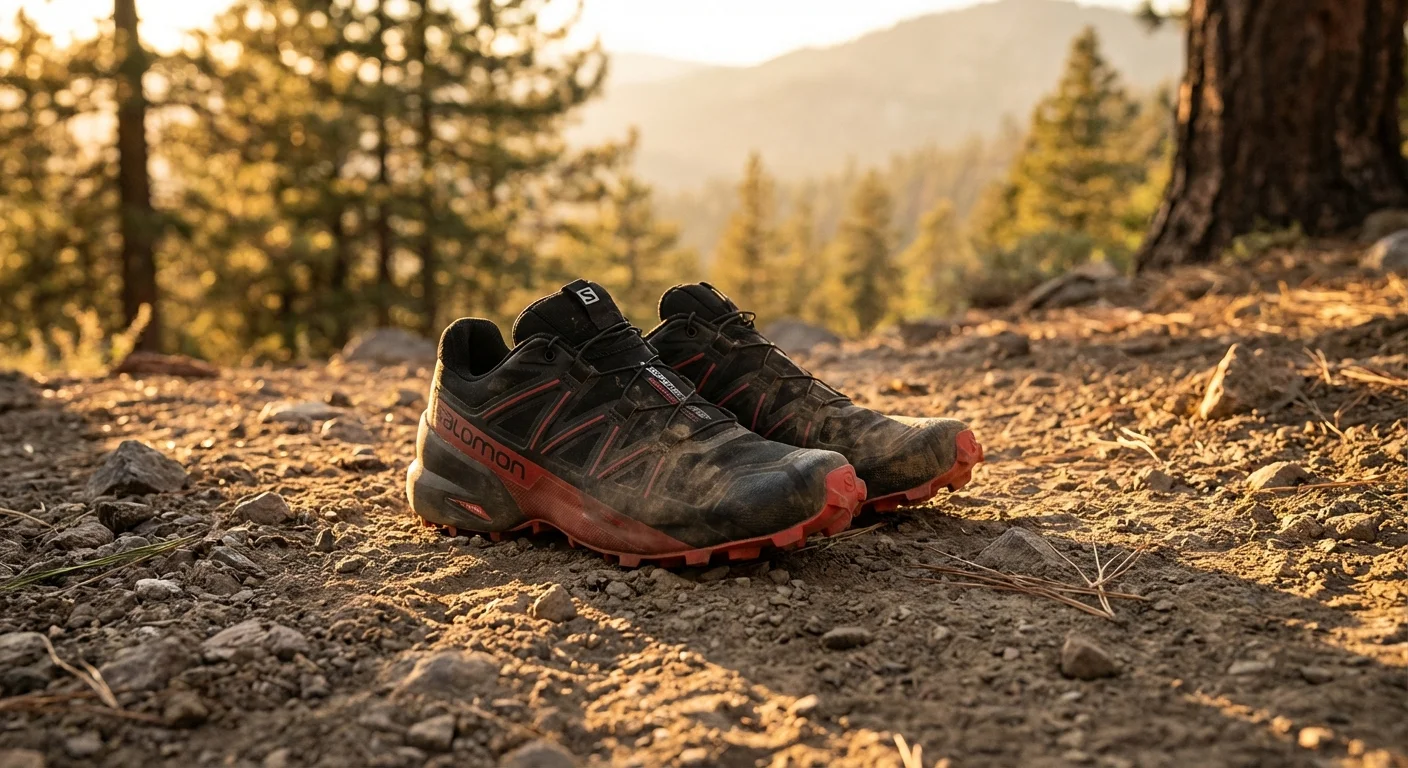
1. Salomon Speedcross 7
The Speedcross line has ruled soft terrain for years. The 7th version is the best yet. It claws through mud, loose dirt, and wet leaves like nothing else.
It weighs 10.4 oz with a 10mm heel-to-toe drop. The Contagrip MA outsole has deep, arrow-shaped lugs. The EnergyCell+ midsole gives solid cushioning without bulk.
$140.00
Best for: Trail runners who tackle soft, muddy terrain and want top-tier grip in all conditions.
- Best-in-class mud traction with deep lugs
- Quick-lace system saves time
- Snug, secure heel lock
- Narrow fit — not great for wide feet
- Lugs wear fast on hard pavement
2. Hoka Tecton X3
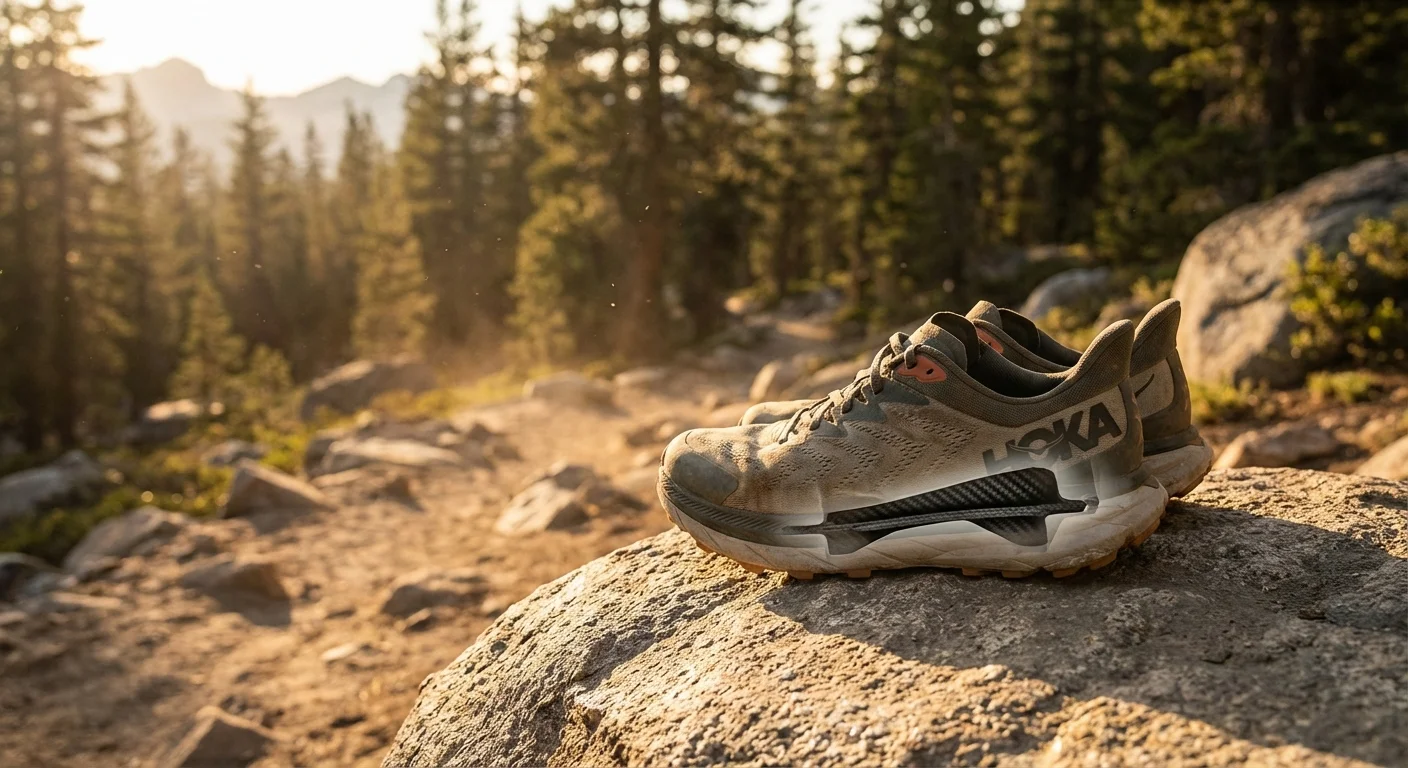
Hoka brought carbon fiber plates to the trail. The Tecton X3 is fast, bouncy, and built for long efforts. It turns tired legs into fresh ones at mile 40.
Weight is 10.9 oz with a 5mm drop. The Vibram Megagrip outsole handles rocks and roots well. The carbon plate gives a smooth, rolling stride on climbs.
$200.00
Best for: Ultra-distance runners who want a plated shoe for races over 50K.
- Carbon plate boosts speed on long efforts
- Great energy return on uphills
- Vibram outsole grips wet rock well
- Pricey at $200
- Plate feels stiff on short, easy runs
3. Nike Ultrafly Trail
Nike packed its famous ZoomX foam into a trail shoe. The result? A fast, cushy ride that eats up single-track. It’s one of the bounciest trail shoes we’ve tested.
It weighs 10.2 oz with a 9mm drop. The outsole uses deep 4.5mm lugs for solid grip. A rock plate shields your feet from sharp stones.
$185.00
Best for: Runners who love Nike’s road shoe feel and want it on trails.
- ZoomX foam is incredibly soft and bouncy
- Built-in rock plate adds protection
- Foam may feel unstable on steep, angled terrain
- Durability concerns past 300 miles
4. La Sportiva Bushido III
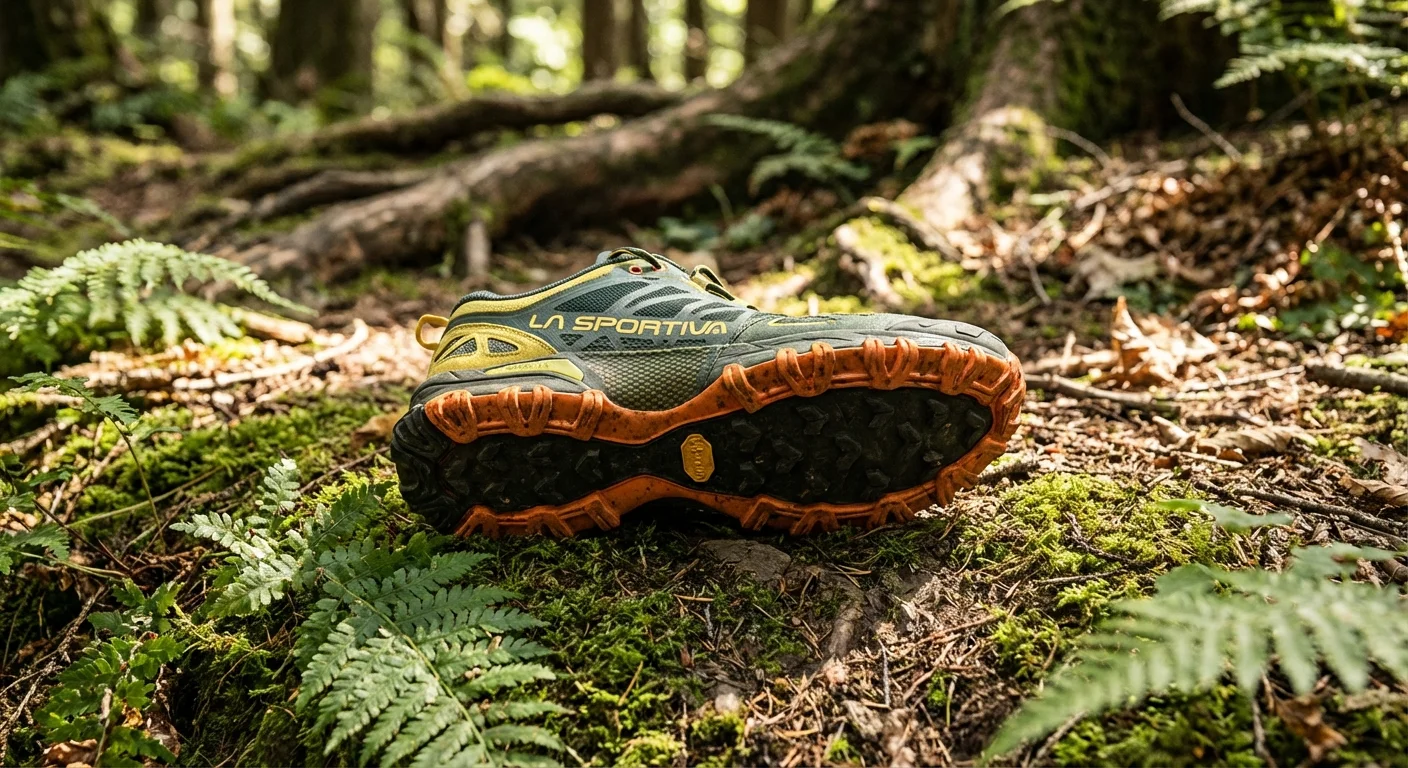
The Bushido III is a mountain goat in shoe form. It handles sharp rocks and steep scrambles better than any shoe on this list. If your trails are gnarly, this is your pick.
Weight is 11.2 oz with a 6mm drop. The Vibram Megagrip outsole clings to wet rock. A full-length TPU rock guard protects your whole foot.
$165.00
Best for: Technical mountain runners who need maximum grip and rock protection.
- Vibram sole is nearly bombproof on rock
- TPU rock guard stops sharp stones cold
- Super precise footwork on ledges
- Firm ride — not for plush comfort lovers
- Runs a half-size small
5. Brooks Catamount 4
Brooks built the Catamount for speed on moderate trails. It’s light, responsive, and smooth underfoot. Think of it as a road racer that grew trail teeth.
Weight is 9.5 oz with an 8mm drop. DNA FLASH nitrogen-infused foam gives a springy feel. The TrailTack rubber outsole grips packed dirt and gravel nicely.
$170.00
Best for: Fast runners on groomed or moderate trails who want a race-day shoe.
- Very light at 9.5 oz
- Responsive, springy cushioning
- Not enough grip for deep mud
- Thin upper wears out on rocky terrain
6. Altra Lone Peak 9
The Lone Peak is a legend among thru-hikers. Its foot-shaped toe box lets your toes spread naturally. Version 9 adds better cushioning without losing ground feel.
Weight is 11.0 oz with a 0mm drop (zero-drop). The MaxTrac outsole uses multidirectional lugs. Altra’s Ego foam midsole gives moderate cushioning.
$145.00
Best for: Wide-footed runners and thru-hikers who want natural foot placement.
- Roomy toe box is a dream for wide feet
- Zero-drop promotes natural running form
- Excellent for all-day hiking comfort
- Too much room for narrow feet
- Less ankle support than traditional shoes
7. Merrell Trail Glove 8
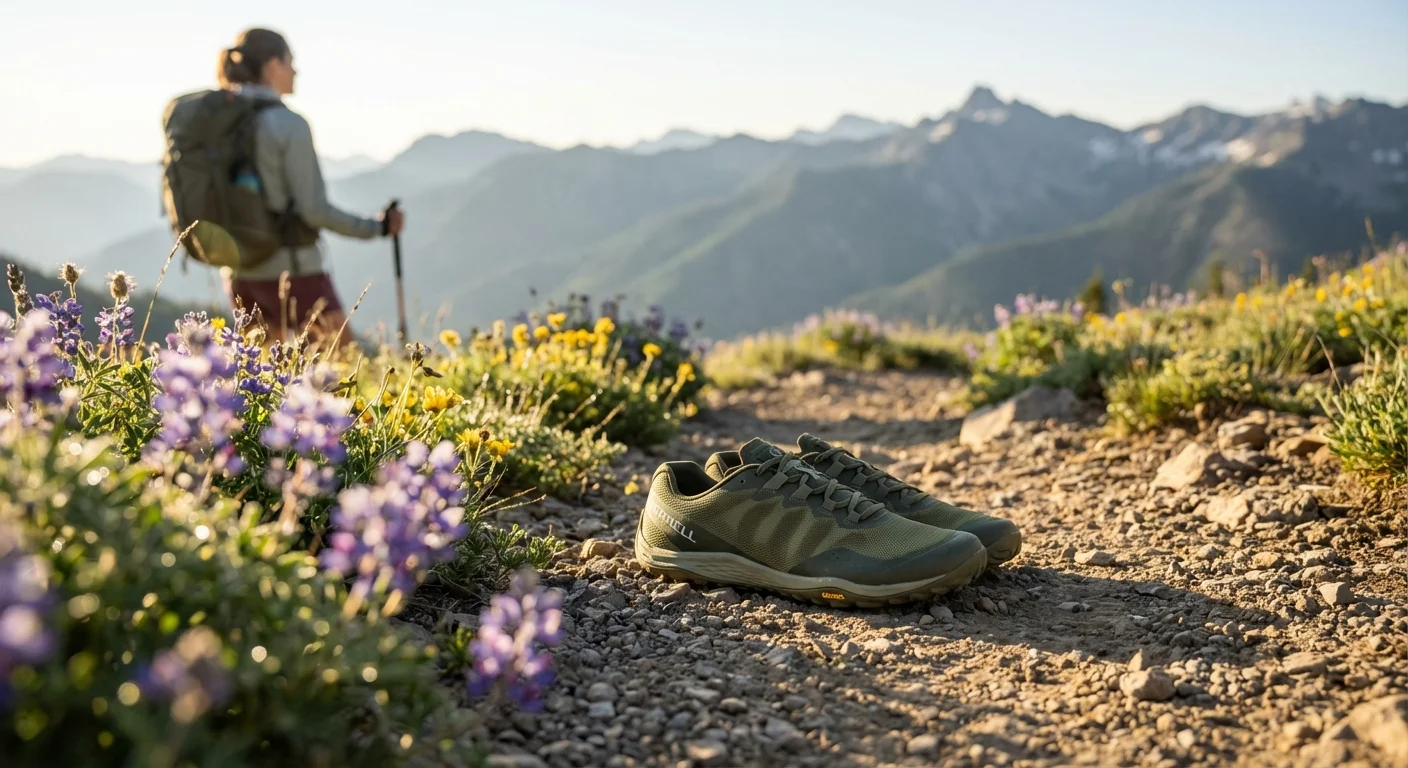
At $100, the Trail Glove 8 is the best value trail shoe you can buy. It’s a minimalist shoe with zero drop and barely any cushioning. You feel the trail beneath every step.
Weight is just 7.6 oz. The Vibram TC5+ outsole is grippy and tough. The stack height is only 11.5mm. This is as close to barefoot as you’ll get in a shoe.
$100.00
Best for: Minimalist runners on a budget who want ground feel and foot strength. If you’re comparing options, our nike trail trainers guide breaks down the key differences.
- Cheapest shoe on this list at $100
- Featherlight at 7.6 oz
- Excellent ground feel builds foot strength
- Zero cushioning — rough on long runs
- No rock plate means you’ll feel every stone
8. New Balance Fresh Foam X Hierro v8
The Hierro v8 is a plush comfort machine. It wraps your foot in thick Fresh Foam X cushioning. Long runs feel easy, and rocky terrain barely registers. Looking for more options? Check out our adidas terrex buying guide.
Weight is 11.8 oz with an 8mm drop. The Vibram outsole grips well on mixed surfaces. The breathable mesh upper keeps your feet cool.
$145.00
Best for: Runners who want maximum cushioning for long trail days and ultras.
- Thick, plush cushioning eats up miles
- Vibram outsole adds durability
- Heavier than most at 11.8 oz
- Soft foam can feel sloppy on steep descents
9. Saucony Peregrine 15
The Peregrine is the Swiss Army knife of trail shoes. It does a bit of everything well. It’s a solid daily trainer that handles most terrain without fuss. Our mens waterproof running shoes review covers the specs and real-world performance in detail.
Weight is 10.6 oz with a 4mm drop. PWRRUN cushioning strikes a nice balance of soft and firm. The PWRTRAC outsole uses 5mm lugs for reliable grip.
$140.00
Best for: Everyday trail runners who want one shoe for all their weekly miles. For a side-by-side look, see our new balance running shoes comparison guide.
- Great all-around performer on mixed terrain
- Balanced cushioning works for all distances
- Rock plate protects on rough ground
- Doesn’t excel in any single area
- Upper can feel warm in summer heat
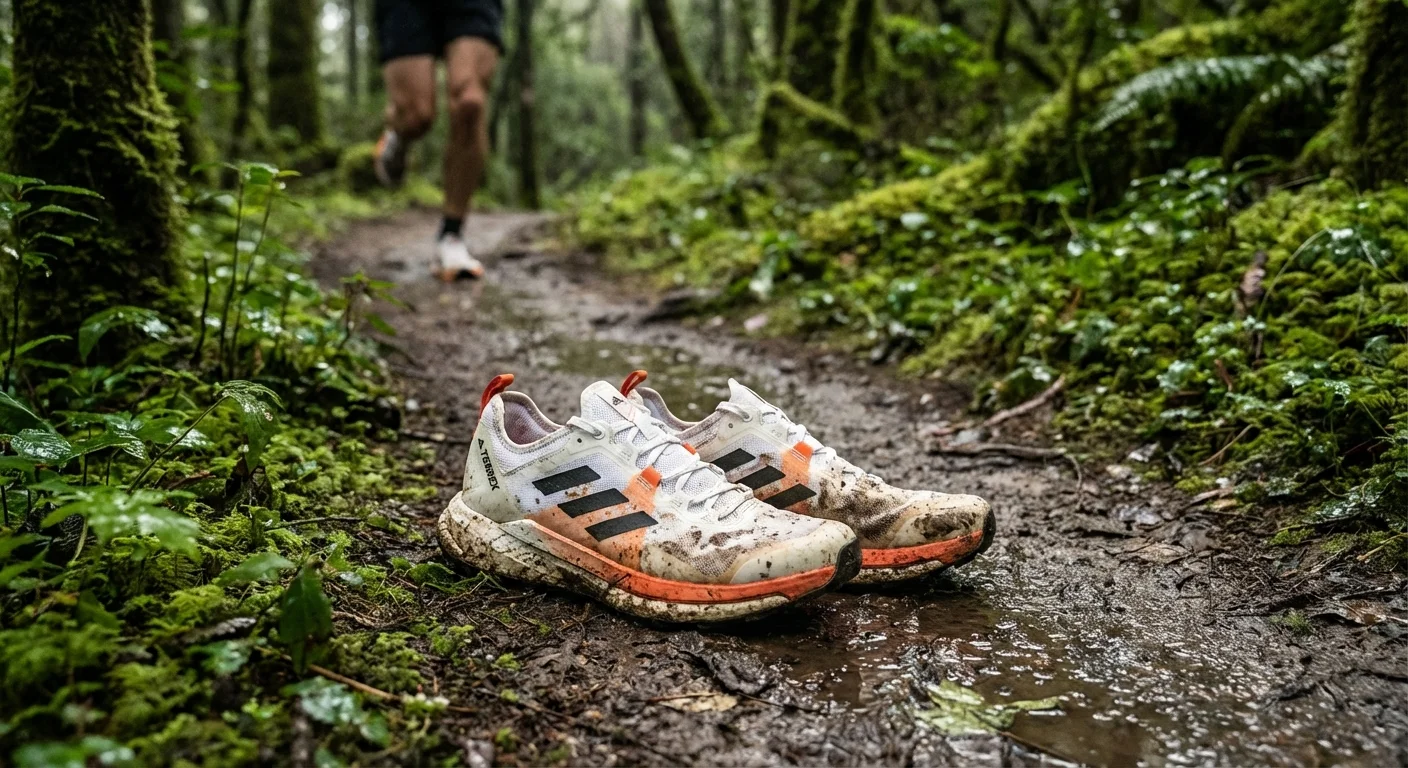
10. Adidas Terrex Speed Ultra 2
This is the lightest shoe on our list. At just 8.1 oz, it flies on race day. Adidas used Lightstrike Pro foam — the same tech from their road super shoes.
The drop is 6mm. The Continental rubber outsole grips in wet and dry conditions. The thin, breathable upper keeps weight down but won’t last forever.
$180.00
Best for: Competitive trail racers who want the lightest, fastest shoe on race day.
- Crazy light at 8.1 oz
- Lightstrike Pro foam delivers big energy return
- Continental rubber outsole grips wet rock
- Thin upper sacrifices durability
- Minimal protection on sharp rocks
How We Chose the Best Trail Shoes
We tested each shoe across 50+ miles on varied terrain. This included mud, rock, gravel, and root-covered single-track. We ran in rain, heat, and cold. For hands-on impressions, read our adidas trail running shoes breakdown.
Our main criteria were grip, cushioning, weight, durability, and fit. We also tracked how shoes held up after 200+ miles. Price and value mattered too.
We weighed expert lab data alongside real-world trail feel. No shoe is perfect, so we looked for honest trade-offs. Every shoe here earned its spot through solid, all-around performance. So what is the best trail shoe? It depends on your terrain and goals — but these 10 cover every scenario.
What Real Runners Say
“I’ve run 400 miles in my Speedcross 7s. They’re still gripping mud like day one. Best trail shoe I’ve ever owned.”
“The Altra Lone Peak 9 saved my feet on the PCT. My wide toes finally had room. Comfort is unmatched for long days.”
“The Trail Glove 8 is great for short runs. But my feet hurt past 10 miles. Not enough cushioning for long efforts.”
Frequently Asked Questions About Trail Shoes
What is the best trail shoe for beginners?
The Saucony Peregrine 15 is great for beginners. It handles all terrain types well. The cushioning is balanced — not too soft, not too firm. At $140, it’s a solid starting point.
Can I use trail shoes on pavement?
Yes, but they’ll wear out faster. Deep lugs grind down on hard surfaces. If you mix road and trail, pick a shoe with smaller lugs. The Brooks Catamount 4 handles both fairly well.
How often should I replace trail shoes?
Most trail shoes last 300 to 500 miles. Check the lugs and midsole often. If the grip looks flat, it’s time for new shoes. Worn cushioning raises your injury risk.
What’s the difference between trail shoes and hiking boots?
Trail shoes are lighter and more flexible. They’re built for running, not walking with heavy packs. Hiking boots offer more ankle support and stiffness. Pick trail shoes for speed and hiking boots for heavy loads.
Do I need a rock plate in my trail shoes?
It depends on your terrain. Rocky trails with sharp stones demand a rock plate. It shields your foot from bruising. Smooth forest paths don’t need one. The La Sportiva Bushido III has the best rock plate we’ve tested.
What is the best trail shoe for wide feet?
The Altra Lone Peak 9 is the clear winner for wide feet. Its foot-shaped toe box gives your toes full room to spread. Most other brands feel narrow by comparison.
The Bottom Line: What Is the Best Trail Shoe in 2026?
The Salomon Speedcross 7 is our top pick. It offers the best grip, a secure fit, and proven durability at $140. Most trail runners will love it.
For ultra-distance races, grab the Hoka Tecton X3. Its carbon plate keeps you fast when your legs want to quit. It’s worth the $200 price tag on race day.
On a budget? The Merrell Trail Glove 8 at $100 delivers surprising grip and fun ground feel. Just know it’s a minimalist shoe — not built for plush comfort.
No matter which shoe you pick, the right trail shoe transforms your runs. Now you know what is the best trail shoe for your needs. Lace up and hit the dirt.
