Expert Reviewed
Updated Regularly
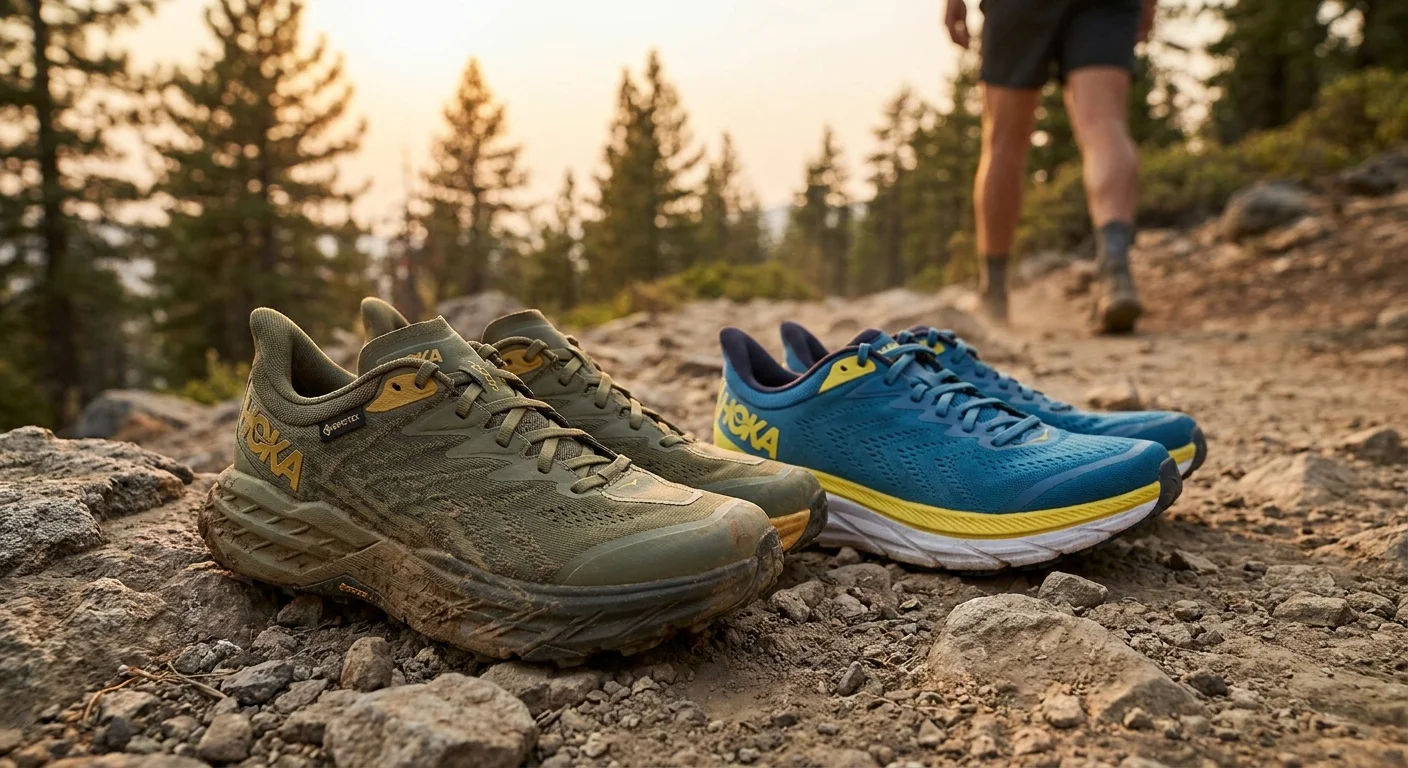
The Hoka Speedgoat 5 is one of the most popular trail running shoes in 2026. It’s loved by beginners and pros alike. But picking the right size, breaking them in, and using them well takes some know-how.
This guide walks you through every step. You’ll learn how to choose the right fit. You’ll discover how to break them in without pain. And you’ll find out how to make them last longer on the trail.
By the end, you’ll feel confident lacing up and hitting any terrain. Let’s get started.
Table of Contents
Key Takeaways
- Order the Hoka Speedgoat 5 a half size up from your road running shoe for proper toe room on descents.
- Break them in with 3-4 short runs of 2-3 miles before tackling anything over 6 miles.
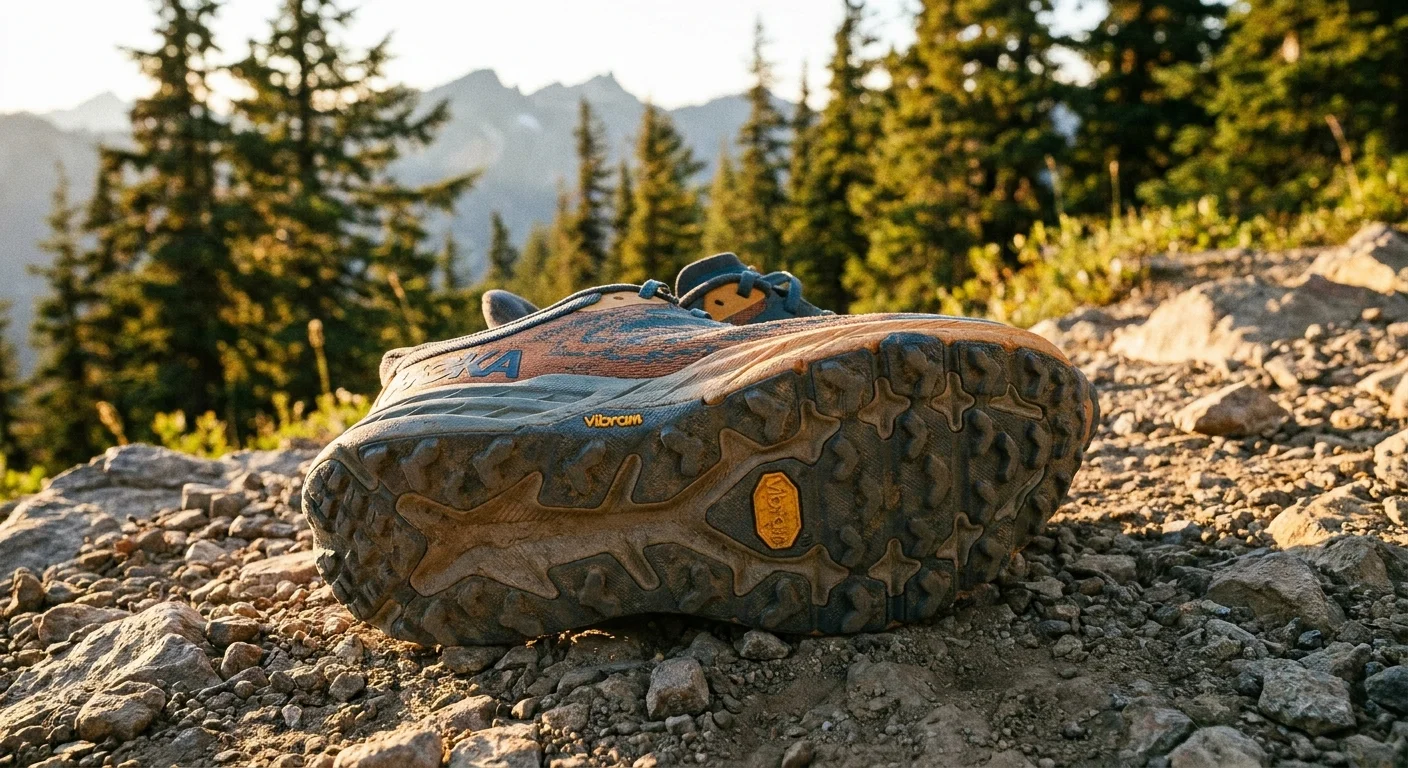
- The Vibram Megagrip outsole lasts roughly 300-500 miles depending on terrain and running style.
- Replace the stock insoles with custom orthotics if you have flat feet or overpronate.
- Clean mud off within 24 hours using cold water and a soft brush to protect the mesh upper.
Quick Answer: Getting the Most from Your Hoka Speedgoat 5
Size up by half a size from your normal shoe. Break them in over 3-4 short trail runs. Use the right lacing pattern for your foot shape, and clean them after muddy runs to extend their life to 400+ miles.
What You’ll Need
- Hoka Speedgoat 5 trail running shoes (your size + half size up to try)
- Trail running socks (merino wool or moisture-wicking synthetic)
- A soft-bristle cleaning brush
- Newspaper or a shoe dryer for wet conditions
- Optional: aftermarket insoles (like Superfeet Green or Currex RunPro)
- A nearby trail with mixed terrain for break-in runs
Step-by-Step Guide to Choosing and Using the Hoka Speedgoat 5
Step 1: Measure Your Feet Properly
Stand on a piece of paper. Trace both feet with a pen. Measure from heel to longest toe in centimeters.
Do this at the end of the day. Your feet swell about half a size during activity. Compare your measurements to Hoka’s size chart on their website.
Most runners find the Hoka Speedgoat 5 runs true to size in length. But the toe box is slightly narrower than the Speedgoat 4. So going up half a size helps a lot.
Pro tip: Measure both feet. Many people have one foot slightly larger. Always fit for the bigger foot.
Step 2: Pick the Right Width
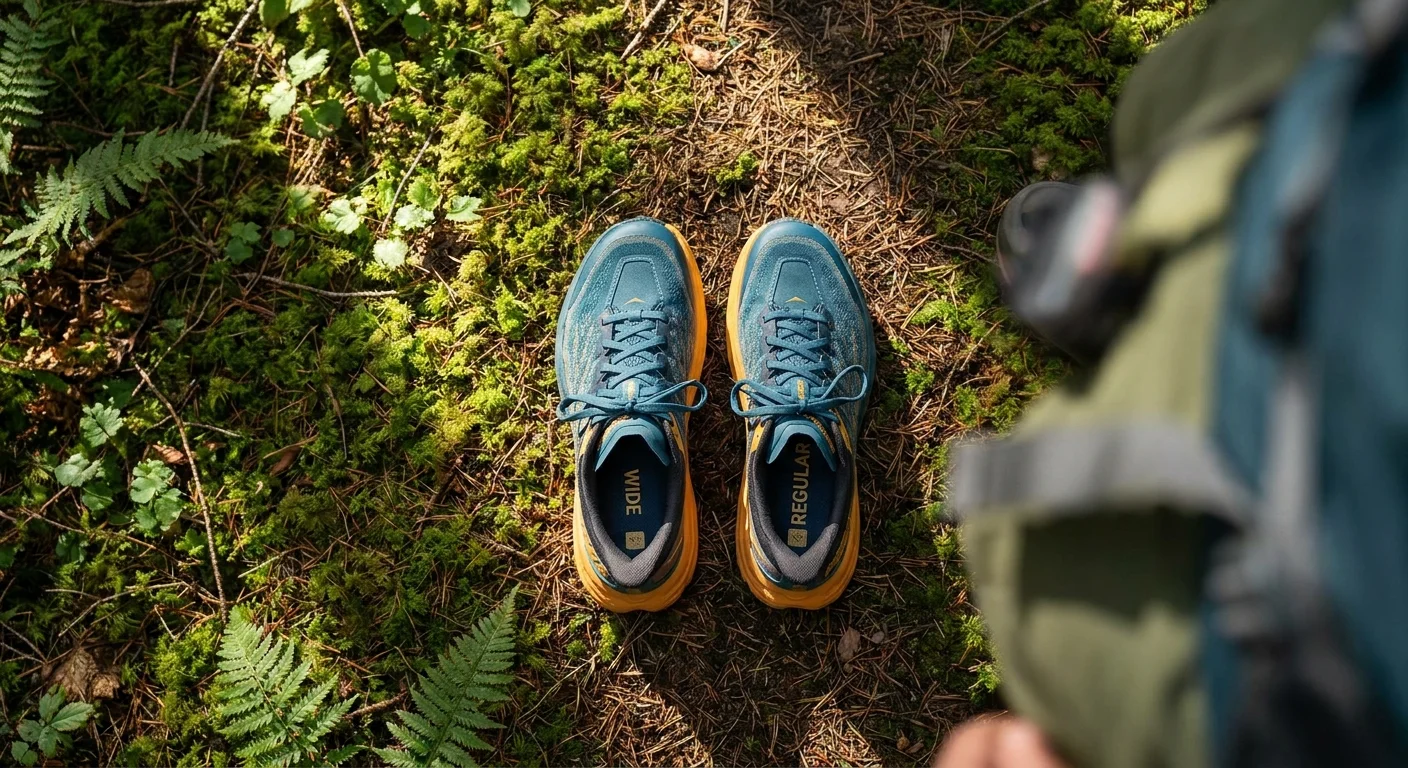
The Speedgoat 5 comes in regular and wide options. Regular width works for most runners. Wide width suits those with a foot width of 4.5 inches or more at the ball.
If you’ve had pinching or numbness in other trail shoes, go wide. It won’t affect performance. You’ll just get more comfort on long runs.
Pro tip: Try both widths if you can. Many running stores carry both in stock in 2026.
Step 3: Try Them On with Trail Socks
Always try on your shoes with the socks you’ll actually run in. Thin cotton socks give a false fit. Trail socks are thicker and change how the shoe feels.
Lace the shoes fully. Walk around for at least 10 minutes. Pay attention to heel slip and toe room.
You want about a thumb’s width of space between your longest toe and the front. Your heel should feel locked in without rubbing.
Pro tip: Bring your old trail shoes to the store. Staff can check the wear pattern and suggest fit tweaks.
Step 4: Use the Right Lacing Technique
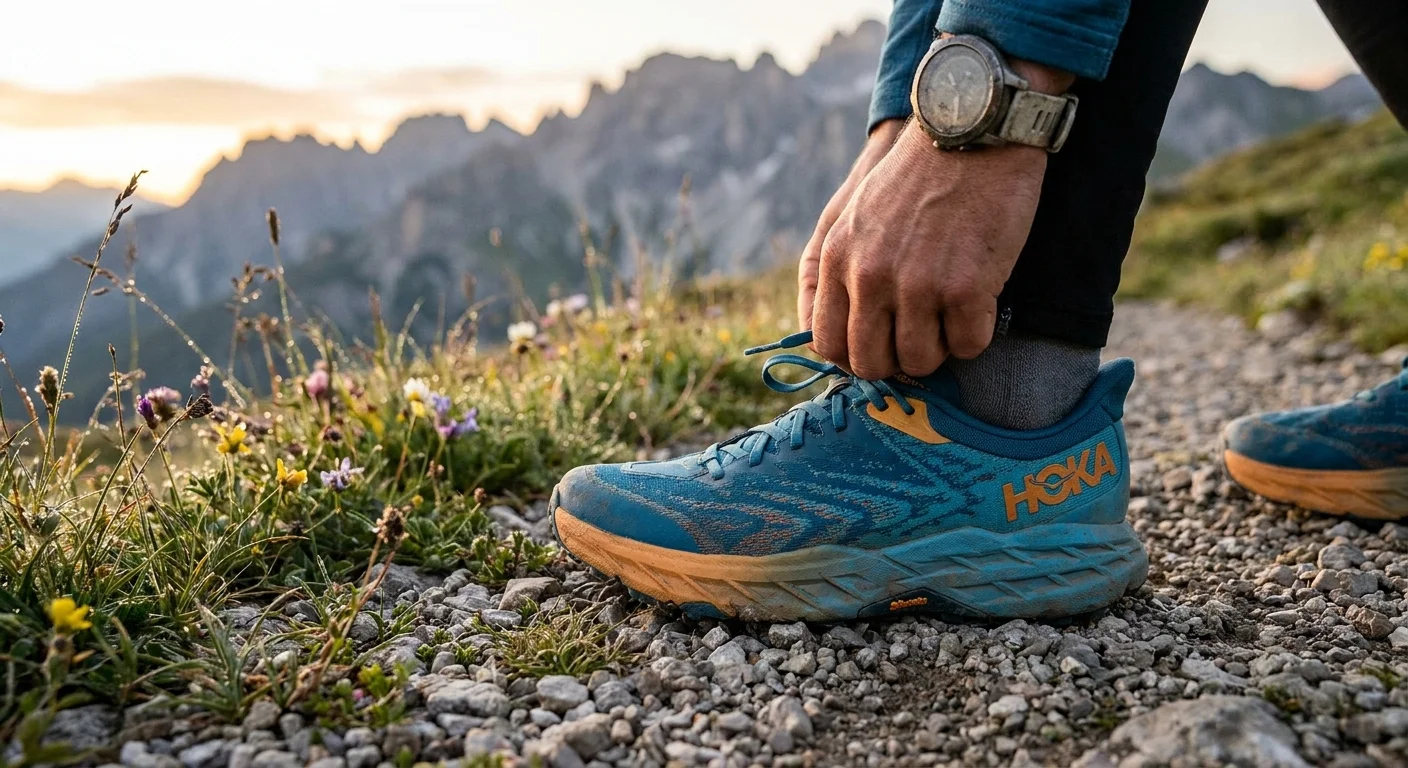
The Hoka Speedgoat 5 has a standard lacing system. But how you lace them matters. For narrow heels, use a heel lock lacing pattern. This uses the top two eyelets to create a loop that locks your heel in place.
For high arches, skip the middle eyelets to ease pressure. For wide forefeet, loosen the bottom two eyelets while keeping the top snug.
Pro tip: Search “heel lock lacing” on YouTube. It takes 30 seconds and prevents blisters on steep descents.
Step 5: Break Them In Gradually
Don’t run a long trail race in brand-new shoes. Your first run should be 2-3 miles on easy terrain. Do this 3-4 times over 10 days.
The midsole foam in the Speedgoat 5 is soft from day one. But the upper needs time to mold to your foot. Rushing this causes hot spots and blisters.
After 15-20 miles, the shoe will feel like it was made for you. That’s the sweet spot.
Pro tip: Alternate with your old shoes during break-in. This reduces the risk of injury from sudden changes.
Step 6: Match the Shoe to the Right Terrain
The Hoka Speedgoat 5 excels on rocky, technical trails. The Vibram Megagrip outsole grips loose gravel and wet rock well. The 5mm lugs bite into soft dirt too.
It’s not the best choice for road running. The soft lugs wear down fast on pavement. Keep road sections under 20% of your total run.
For pure mud, consider adding gaiters. The low-cut design lets debris in on very muddy courses. Before you decide, it’s worth reading our asics trail running shoes deep dive.
Pro tip: The Speedgoat 5 handles everything from 5K trail races to 50-mile ultras. It’s a true all-rounder for off-road terrain.
Step 7: Clean and Store Them Right
After muddy runs, knock off loose dirt. Then rinse with cold water. Use a soft brush on the mesh upper. Never use hot water. It breaks down the glue.
Remove the insoles and stuff the shoes with newspaper. Let them dry at room temperature. Avoid direct sunlight or heaters. Heat warps the midsole foam.
Store them in a cool, dry place. Not in your car trunk. Heat degrades EVA foam fast.
Pro tip: Rotate two pairs if you run 4+ times per week. This doubles the life of each pair. Looking for more options? Check out our asics gel venture buying guide.
Step 8: Know When to Replace Them
Track your mileage using a running app. Most runners get 300-500 miles from the Hoka Speedgoat 5. Check the outsole lugs every 50 miles.
When the lugs are worn flat, grip drops sharply. The midsole also compresses over time. If you feel more ground impact, it’s time for a new pair.
Another sign is uneven wear. If one side wears faster, see a specialist. You might need stability insoles.
Pro tip: Write the start date inside the tongue with a marker. It’s the simplest way to track shoe age.
Pro Tips for Getting More from Your Hoka Speedgoat 5
Expert Advice
1. Swap insoles for better support. The stock insoles are basic. Upgrading to Superfeet Green or Currex RunPro adds arch support and cuts fatigue on long runs.
2. Use gaiters on sandy or muddy trails. Hoka doesn’t include gaiter hooks. But third-party gaiters from Kahtoola or Dirty Girl fit the Speedgoat 5 well.
3. Tighten laces on descents. Stop before steep downhills. Snug up the top eyelets. This prevents your toes from slamming the front of the shoe. Black toenails are avoidable.
4. Don’t machine wash them. The agitation damages the bonded overlays. Hand washing takes 5 minutes. Your shoes will last months longer.
5. Try them for hiking too. The Speedgoat 5 works great as a lightweight hiking shoe. The cushion handles 10-mile day hikes with ease.
Troubleshooting Common Hoka Speedgoat 5 Issues
Problem: Heel Slipping on Steep Descents
Solution: Use the heel lock lacing method. Thread the lace through the top eyelet to make a loop on each side. Cross the laces through the opposite loop. Pull tight. This anchors your heel securely. Not sure which to pick? Our which is better hoka challenger or speedgoat? guide walks through the trade-offs.
Problem: Blisters on the Sides of the Feet
Solution: Switch to seamless trail socks. Brands like Darn Tough or Injinji reduce friction. Also check if the shoe is too narrow. You may need the wide version. You might also find our salomon running shoes comparison helpful when narrowing down your choices.
Problem: Shoes Feel Too Soft on Rocky Terrain
Solution: Add a stiffer insole. The Speedgoat 5’s cushion is generous. A firmer insole adds ground feel without losing comfort. Superfeet Orange works well for this.
Problem: Upper Mesh Tearing Early
Solution: Avoid brushy, thorny trails until after break-in. The mesh is lightweight. It’s durable but not thorn-proof. Trail gaiters also protect the upper from snags.
Problem: Wet Shoes That Won’t Dry
Solution: Remove insoles right away. Stuff with newspaper. Change the paper every 2 hours. A small fan pointed at the shoes speeds drying. Never use a clothes dryer.
Frequently Asked Questions About the Hoka Speedgoat 5
Is the Hoka Speedgoat 5 good for beginners?
Yes. The Speedgoat 5 is one of the best trail shoes for beginners. It has generous cushion that protects your feet on rough ground. The Vibram outsole grips well on most surfaces. And the fit is forgiving enough for new runners who aren’t sure about their preferences yet.
How does the Hoka Speedgoat 5 compare to the Speedgoat 6?
In 2026, both models are available. The Speedgoat 6 has a slightly updated upper and a touch more stack height. The Speedgoat 5 is lighter by about 0.3 ounces. Many runners still prefer the 5 for its proven fit. Try both if your local store stocks them.
Can you use the Hoka Speedgoat 5 on roads?
You can, but it’s not ideal. The soft rubber lugs wear down quickly on pavement. Short road sections during a trail run are fine. But don’t use them as a daily road trainer. You’ll burn through the outsole in under 200 miles.
What drop does the Hoka Speedgoat 5 have?
The Speedgoat 5 has a 4mm heel-to-toe drop. That’s lower than most road shoes. It puts you closer to the ground for better trail feel. If you’re used to a 10-12mm drop, transition slowly to avoid calf strain.
Are the Hoka Speedgoat 5 shoes waterproof?
No. The standard Speedgoat 5 uses breathable mesh. It dries fast but soaks through in puddles or creek crossings. Hoka offers a GTX (Gore-Tex) version for wet conditions. The GTX version adds waterproofing but reduces breathability in warm weather.
How much does the Hoka Speedgoat 5 weigh?
A men’s size 9 weighs about 10.3 ounces (292 grams). The women’s version is around 8.9 ounces (252 grams). That’s light for a trail shoe with this much cushion. You won’t feel weighed down on long runs.