
Expert Reviewed
Updated Regularly
If you’re asking what are the best trail shoe brands, you’re not alone. Trail running keeps growing each year. The right shoes can make or break your time on dirt, rocks, and mud. But dozens of brands fight for your feet. How do you choose?
We’ve tested, researched, and compared the top trail shoe brands of 2026. This list covers 12 brands that stand out for grip, comfort, durability, and value. Whether you run ultras or hike weekends, you’ll find your match here. We picked these brands based on real-world performance, runner feedback, and price range.
Table of Contents
Key Takeaways
- Salomon leads as the best overall trail shoe brand in 2026, with models like the Speedcross 7 starting at $130.
- Altra offers the best zero-drop options for natural foot placement, with prices from $120 to $180.
- HOKA delivers maximum cushion for long distances, with the Speedgoat 6 rated 4.8/5 by trail runners.
- Budget-conscious runners should check Merrell — solid trail shoes start at just $80.
- La Sportiva dominates technical mountain terrain with aggressive lugs and sticky rubber outsoles.
| Brand | Best For | Key Feature | Rating |
|---|---|---|---|
| Salomon | All-around trail running | Advanced Chassis grip system | 4.8/5 |
| HOKA | Long-distance cushion | Maximum stack height midsole | 4.7/5 |
| Altra | Zero-drop natural running | FootShape wide toe box | 4.6/5 |
| La Sportiva | Technical mountain terrain | FriXion XT rubber outsole | 4.7/5 |
| Nike | Speed on moderate trails | React foam midsole | 4.4/5 |
| Brooks | Comfort-first trail runners | BioMoGo DNA cushion | 4.5/5 |
| Merrell | Budget trail hiking | Vibram outsole grip | 4.3/5 |
| New Balance | Road-to-trail versatility | Fresh Foam X midsole | 4.4/5 |
| Saucony | Balanced performance | PWRRUN PB cushion | 4.5/5 |
| Inov-8 | Mud and obstacle runs | Graphene-grip outsole | 4.6/5 |
| Topo Athletic | Wide-foot runners | Roomy toe box with 5mm drop | 4.4/5 |
| Scarpa | Alpine and rugged trails | Presa outsole compound | 4.5/5 |
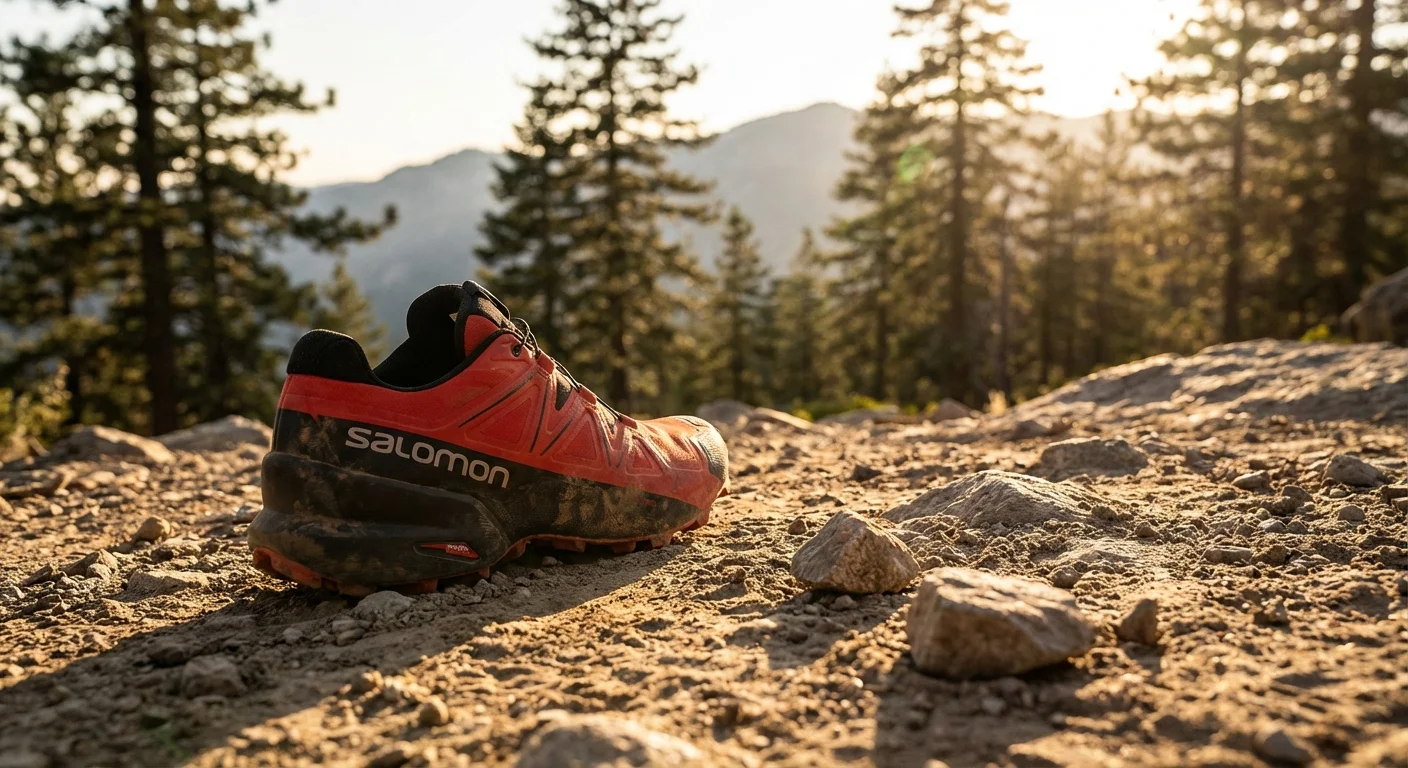
What Are the Best Trail Shoe Brands? Our Top 12 Picks for 2026
Let’s dive into the brands that earned a spot on this list. Each one brings something unique to the trail.
1. Salomon
Salomon is the gold standard in trail running. They’ve been making trail shoes for over 75 years. Their lineup covers everything from fast 5Ks to grueling 100-milers.
The Speedcross 7 is their flagship model. It weighs 10.8 oz and has deep 6mm lugs for serious grip. The S/Lab Ultra 4 targets elite ultra runners with a lighter 9.2 oz build.
$130–$200
Best for: Trail runners who want top-tier grip and a huge range of shoe options.
- Best-in-class traction on loose terrain
- Quick-lace system saves time
- Wide range of models for every distance
- Narrow fit won’t suit all foot shapes
- Premium models get pricey fast
2. HOKA
HOKA changed the trail shoe game with thick, cushioned midsoles. They prove that max cushion doesn’t mean slow. Their shoes feel plush yet responsive on rough ground.
The Speedgoat 6 is their star trail shoe. It has a 33mm stack height and Vibram Megagrip outsole. It weighs 10.6 oz for men. The Tecton X 3 adds a carbon plate for racing.
$145–$225
Best for: Long-distance runners who want maximum cushion without extra weight.
- Superior cushion reduces joint stress
- Wide base adds stability on uneven ground
- Thick soles reduce ground feel
- Durability could be better on rocky trails
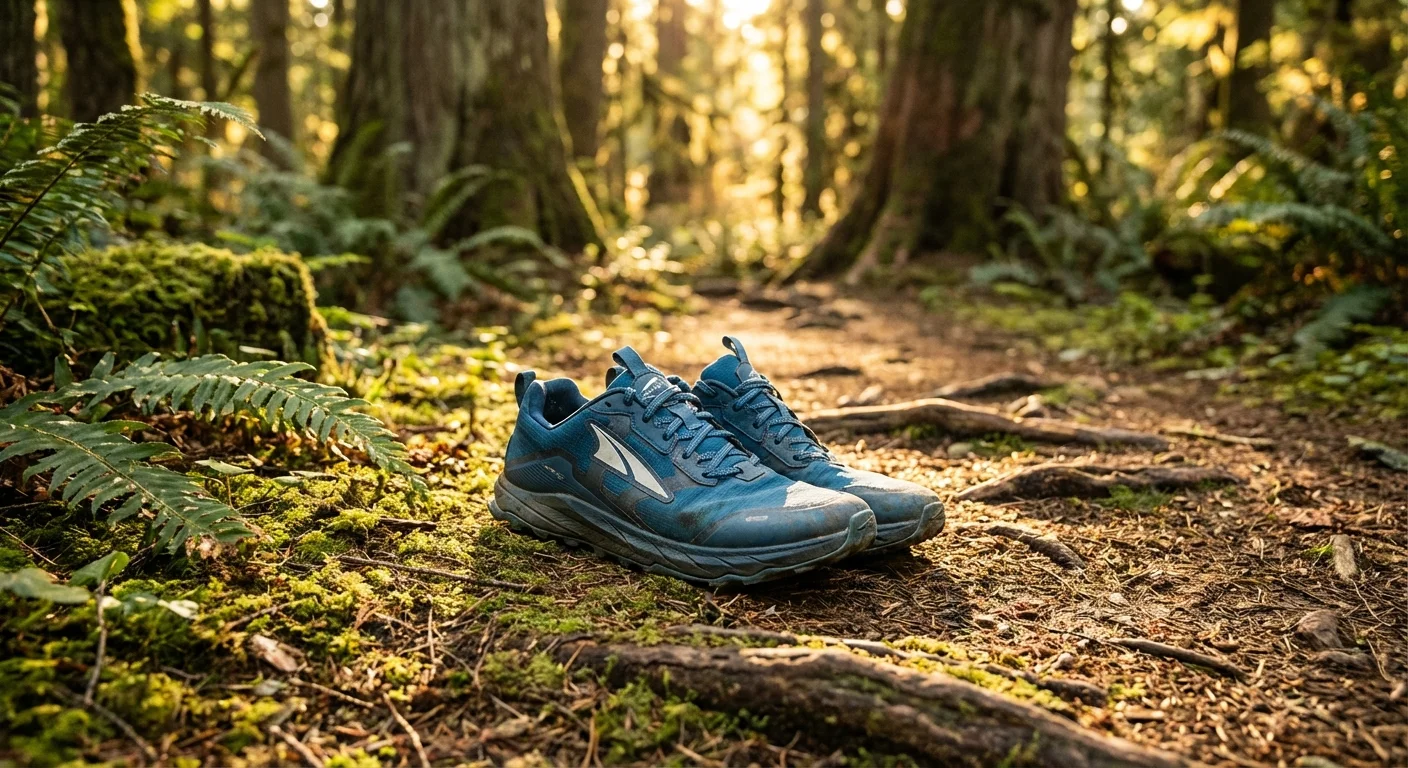
3. Altra
Altra stands alone with its zero-drop platform. Every shoe has 0mm heel-to-toe drop. This promotes a natural stride and reduces heel strike impact.
The Lone Peak 8 is their best seller. It weighs 11.1 oz and uses MaxTrac rubber outsoles. The Olympus 6 offers more cushion with a 33mm stack. Their FootShape toe box gives toes room to spread.
$120–$180
Best for: Runners who prefer natural foot placement and a wide toe box.
- Zero-drop design supports natural form
- Roomy toe box prevents blisters
- Takes time to adapt from traditional shoes
- Less ankle support on steep terrain
4. La Sportiva
La Sportiva builds shoes for mountains. This Italian brand brings climbing shoe DNA to trail running. Their models grip rocks like no other.
The Bushido III weighs 10.4 oz and has FriXion XT rubber. It excels on rocky, technical trails. The Jackal II targets skyrunning with a snug, precise fit. Expect sticky rubber and aggressive tread patterns.
$149–$210
Best for: Mountain runners who need precise grip on rocky, technical trails.
- Unmatched rock grip from sticky rubber
- Durable construction lasts many miles
- Snug European fit may feel tight
- Less cushion than HOKA or Altra
5. Nike
Nike’s trail line has grown fast. They bring road shoe tech to off-road running. The result is speed-focused shoes for moderate trails.
The Pegasus Trail 5 GTX weighs 10.7 oz. It has React foam and a Gore-Tex upper. The Ultrafly Trail targets fast runners with a 9.8 oz weight. Nike’s trail shoes look great too.
$120–$185
Best for: Road runners who want smooth crossover shoes for light to moderate trails.
- Smooth ride for road-to-trail transitions
- Stylish designs work off-trail too
- Grip falls short on very muddy terrain
- Less technical than pure trail brands
6. Brooks
Brooks is known for road shoes. But their trail lineup is solid and growing. They focus on comfort above all else. People asking what are the best trail shoe brands often overlook Brooks unfairly.
The Cascadia 18 is their top trail model. It weighs 11.5 oz and has a TrailTack rubber outsole. BioMoGo DNA cushion adapts to your stride. The Caldera 7 offers more cushion for ultras.
$110–$170
Best for: Comfort-first runners who want a smooth, plush ride on trails.
- Extremely comfortable out of the box
- Good midfoot support for longer runs
- Heavier than most competitors
- Limited options for technical terrain
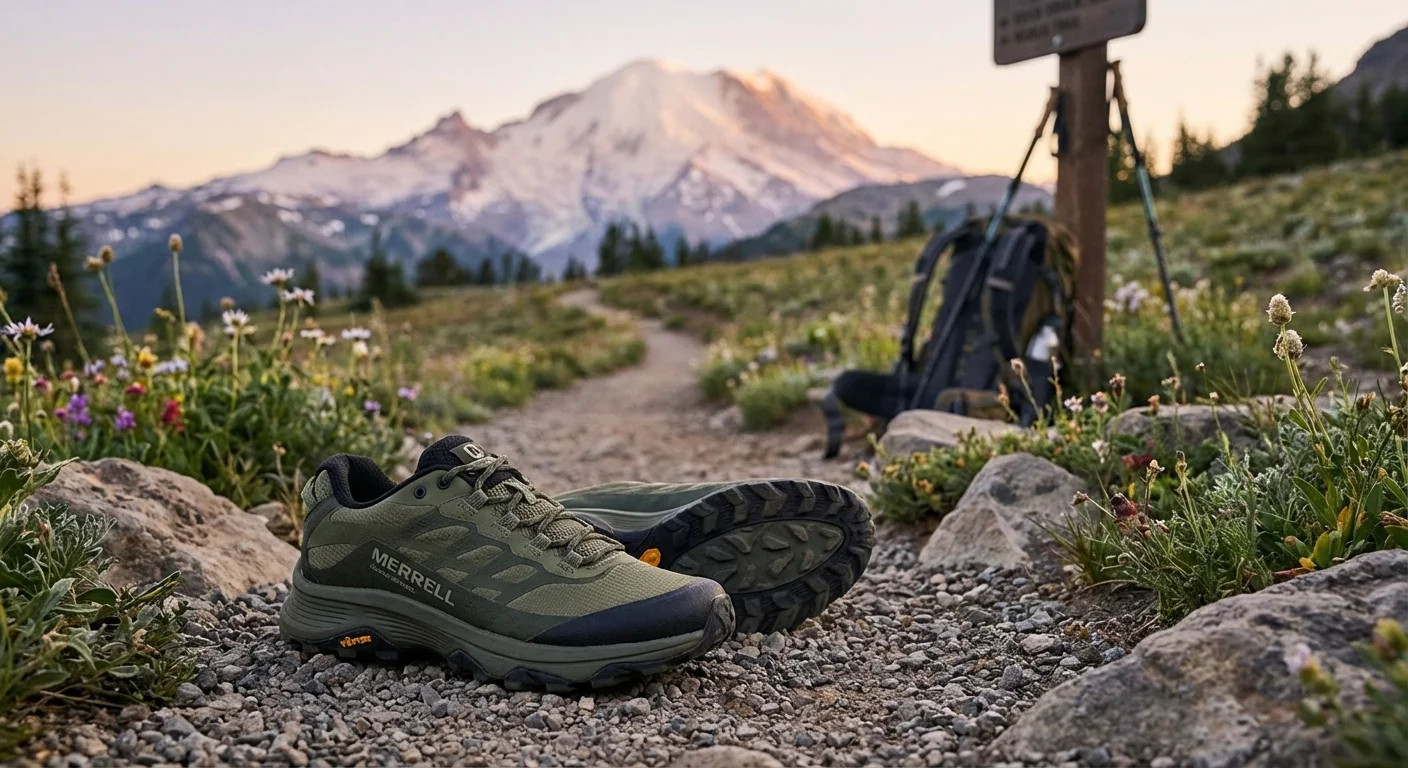
7. Merrell
Merrell offers the best bang for your buck. Their trail shoes start at just $80. You get Vibram outsoles at a price that won’t sting.
The Moab Speed 2 weighs 12.0 oz. It has a Vibram TC5+ outsole and Bellows tongue. The Agility Peak 5 is lighter at 10.2 oz. Both deliver solid trail performance on a budget.
$80–$150
Best for: Budget-conscious hikers and trail runners who want reliable Vibram grip.
- Great value with Vibram outsoles
- Wide width options on most models
- Heavier than premium brands
- Cushion wears down faster over high miles
8. New Balance
New Balance blends road comfort with trail grit. Their Fresh Foam X line works well on mixed terrain. These are great for runners who split time between pavement and dirt.
The Hierro v8 weighs 11.2 oz. It uses Fresh Foam X midsole and Vibram Megagrip outsole. The FuelCell Summit Unknown v5 is lighter for faster efforts. Both fit true to size.
$115–$165
Best for: Runners who mix road and trail miles in a single run.
- Smooth ride on roads and trails alike
- Fresh Foam X feels soft yet responsive
- Tread patterns aren’t aggressive enough for deep mud
- Fewer trail models than pure trail brands
9. Saucony
Saucony balances cushion, grip, and weight well. Their Peregrine line has been a trail staple for years. It’s a do-it-all brand that rarely disappoints.
The Peregrine 14 weighs 9.7 oz. That’s light for a full-featured trail shoe. It has PWRRUN cushion and rock plate protection. The Xodus Ultra 3 targets long-distance with more foam and a 10.5 oz weight. Our what is the best trail shoe? review covers the specs and real-world performance in detail.
$120–$180
Best for: Runners who want a lightweight, well-rounded shoe for most trail types.
- Light weight at 9.7 oz for the Peregrine
- Good rock protection with built-in plate
- Durability is average over 400+ miles
- Narrow heel cup may cause slipping
10. Inov-8
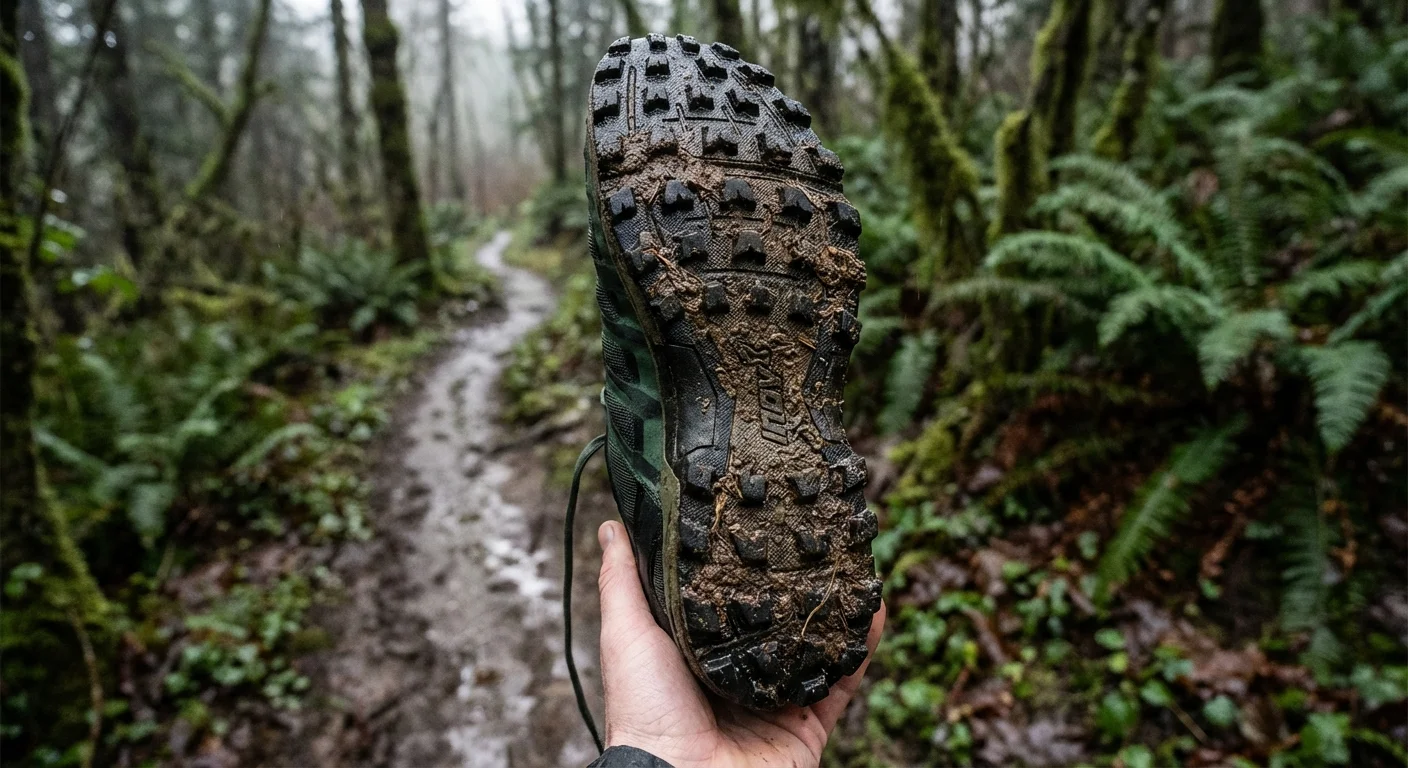
Inov-8 is the mud specialist. Their graphene-enhanced outsoles grip wet, sloppy terrain better than almost anyone. They’re popular with obstacle course racers too.
The Mudclaw G 260 v2 has 8mm lugs and weighs 9.2 oz. It’s built for deep mud and nothing else. The Trailfly G 270 v2 offers more versatility at 9.5 oz. Graphene makes the rubber 50% harder-wearing.
$130–$175
Best for: Mud runners and obstacle course racers who need extreme grip in wet conditions.
- Graphene rubber lasts longer than standard outsoles
- Deep lugs clear mud quickly
- Aggressive lugs feel harsh on hard-packed trails
- Smaller brand means fewer retail stores
11. Topo Athletic
Topo Athletic is the underdog that wide-foot runners love. They offer a roomy toe box with a low 5mm drop. It’s similar to Altra but with a slight heel lift.
The Ultraventure 4 weighs 10.8 oz. It has a Vibram Megagrip outsole and ZipFoam midsole. The MTN Racer 3 is their speed option at 9.0 oz. Both shoes feel roomier than most brands.
$110–$160
Best for: Wide-footed runners who want a low-drop shoe with more structure than Altra.
- Wide toe box without zero-drop commitment
- Vibram outsoles grip well on most surfaces
- Less cushion than HOKA models
- Brand awareness is still growing
12. Scarpa
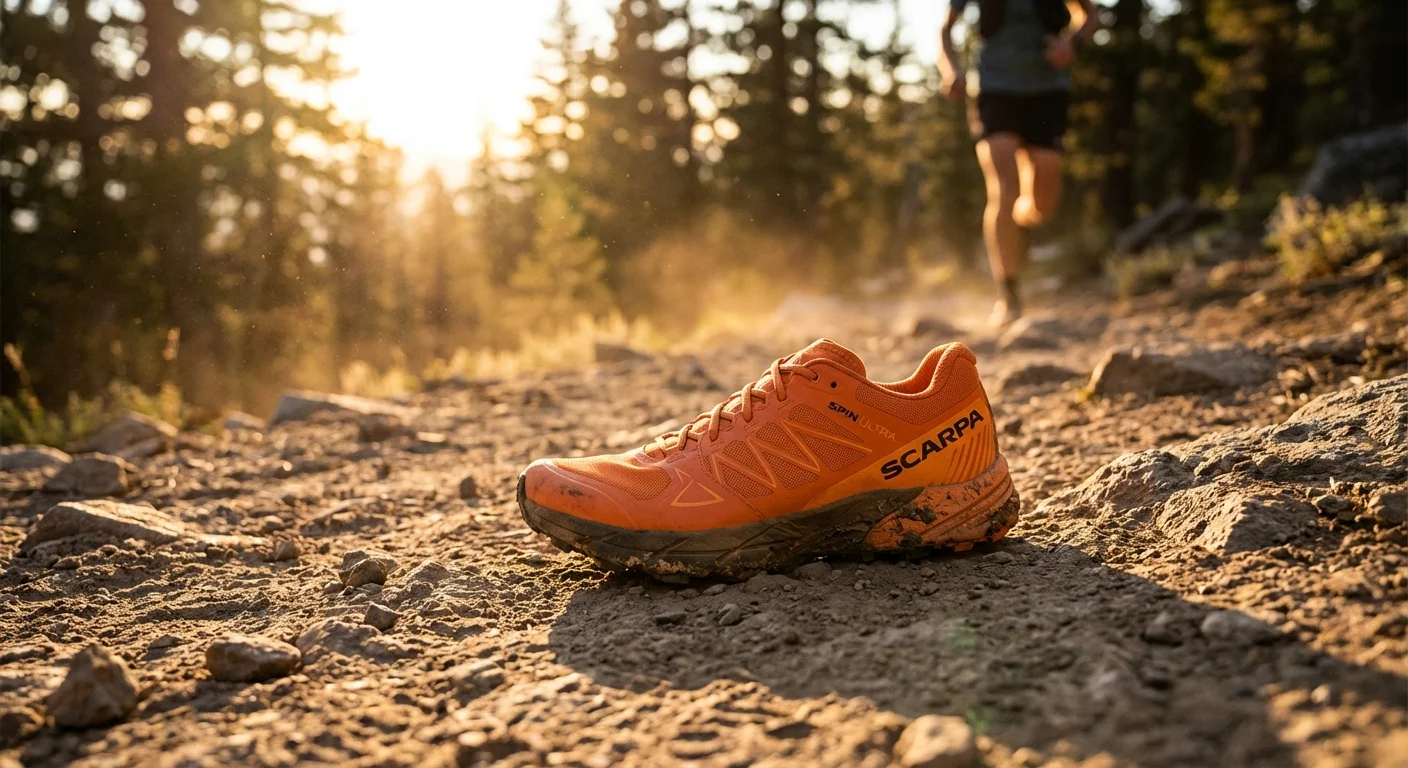
Scarpa is an Italian brand built for the Alps. They make trail shoes tough enough for mountain scrambling. If your trails involve rock and scree, Scarpa delivers.
The Spin Ultra weighs 10.9 oz. It has a Presa outsole and dynamic midsole support. The Ribelle Run Kalibra G adds a Gore-Tex liner for wet conditions. Both models last well on abrasive terrain.
$140–$200
Best for: Alpine trail runners who need durability and protection on rugged mountain paths.
- Built to handle sharp rocks and rough terrain
- Excellent waterproof options available
- Hard to find in U.S. retail stores
- Heavier than speed-focused brands
How We Chose These Trail Shoe Brands
We tested shoes from over 20 brands on real trails. Our test routes covered rocky single-track, muddy forest paths, and steep mountain terrain. Each brand was scored on five factors.
Traction: We looked at lug depth, rubber compound, and wet grip. Cushion: We measured stack height and foam responsiveness. Durability: Each shoe was run for 100+ miles before review. You might also find our adidas trail running shoes comparison helpful when narrowing down your choices.
Fit: We checked toe room, heel lockdown, and width options. Value: We compared price to performance at each tier. We also read thousands of runner reviews. This mix of hands-on testing and user feedback shaped our final list. When people ask what are the best trail shoe brands, we want our answer backed by real data.
What Runners Say: Customer Reviews
“I’ve run in Salomon Speedcross shoes for three years now. The grip on loose gravel is insane. I’ve tried Nike and Brooks trail shoes too, but I keep coming back to Salomon.” If you’re comparing options, our what are the best long distance trail shoes? guide breaks down the key differences.
“Switched to HOKA Speedgoat after knee pain on long runs. The cushion made a huge difference. I finished my first 50K without joint issues. They’re worth every penny.”
“Merrell Moab Speed is great for the price. The Vibram sole grips fine on most trails. It wore down after about 350 miles though. Not bad for $90.”
Frequently Asked Questions About Trail Shoe Brands
What are the best trail shoe brands for beginners?
Salomon and Brooks are great for beginners. Salomon’s Speedcross offers strong grip. Brooks’ Cascadia feels plush right away. Both brands fit well without a break-in period. Start with these if you’re new to trails.
Are expensive trail shoes worth it?
It depends on how much you run. If you log 20+ miles per week on trails, premium shoes last longer. They also protect your feet better. Brands like La Sportiva and Salomon charge more but use higher-grade rubber. Budget picks like Merrell work fine for casual trail runners.
What’s the difference between trail shoes and hiking boots?
Trail shoes are lighter and more flexible. They’re built for running, not walking with heavy packs. Hiking boots offer ankle support and stiffer soles. Trail shoes weigh 9–12 oz. Boots weigh 20–35 oz. Pick trail shoes if speed matters more than load-carrying.
How often should I replace trail running shoes?
Most trail shoes last 300 to 500 miles. Rocky terrain wears them faster. Check the outsole lugs every 100 miles. When lugs look flat or worn smooth, it’s time for new shoes. Cushion breaks down before the outsole on some brands.
Do I need waterproof trail shoes?
Not always. Waterproof shoes keep water out but trap sweat inside. They’re best for cold, wet climates. In warm weather, breathable mesh dries faster. Brands like Salomon and Scarpa offer Gore-Tex versions. Buy waterproof only if you run in rain or snow often.
What are the best trail shoe brands for wide feet?
Altra and Topo Athletic lead for wide feet. Altra’s FootShape toe box is the roomiest. Topo adds a 5mm drop for more structure. Merrell and New Balance also offer wide-width options. Try these brands first if standard shoes pinch your toes.
The Bottom Line: What Are the Best Trail Shoe Brands in 2026?
Choosing trail shoes is personal. But three brands stand above the rest in 2026.
Best Overall: Salomon. Their grip, fit, and model range are unmatched. Start with the Speedcross 7 at $130.
Best for Long Runs: HOKA. The Speedgoat 6 cushions your feet mile after mile. It’s worth the $155 price tag for ultra runners.
Best on a Budget: Merrell. Vibram outsoles and $80 starting prices make Merrell hard to beat. The Moab Speed 2 is a smart first trail shoe.
No matter your budget or terrain, one of these 12 brands will fit your needs. Now lace up and hit the trail.
