
Expert Reviewed
Updated Regularly
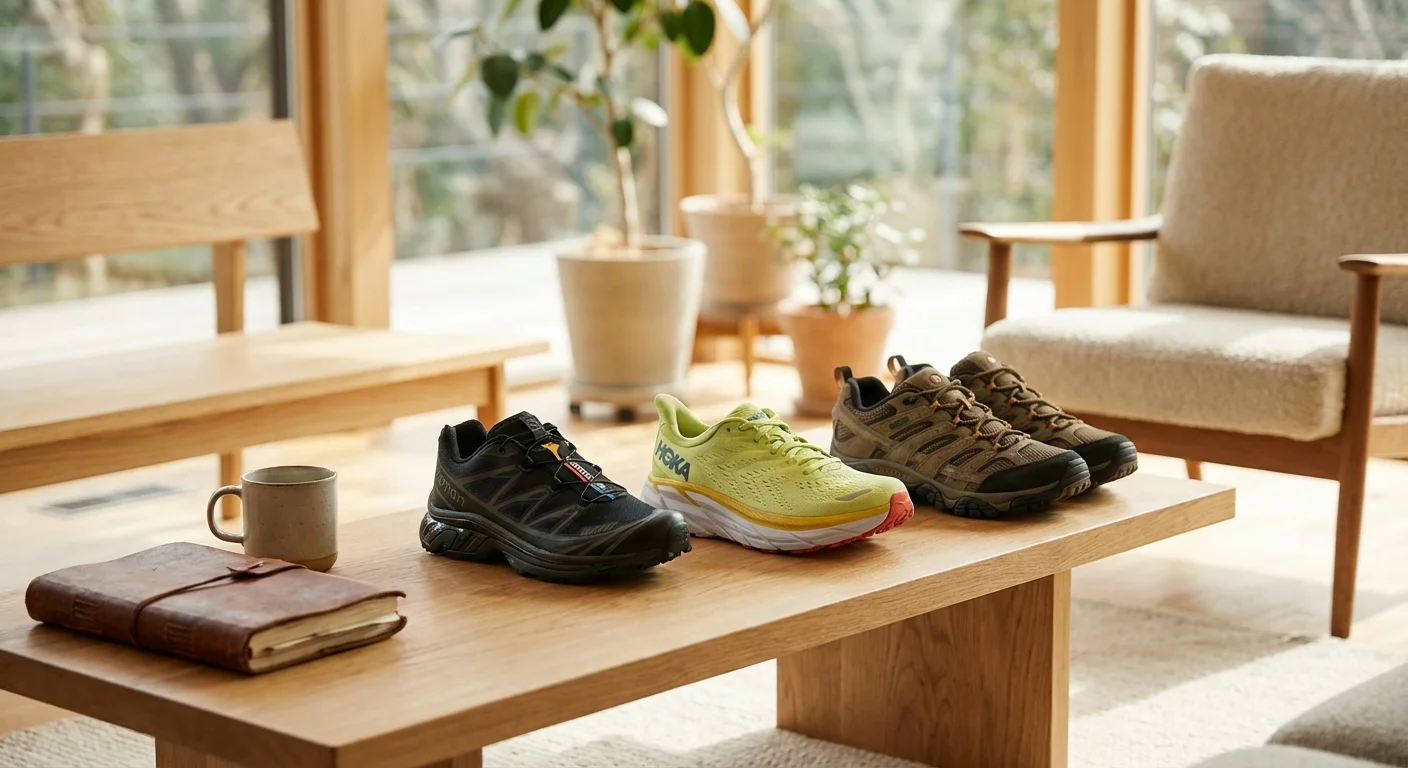
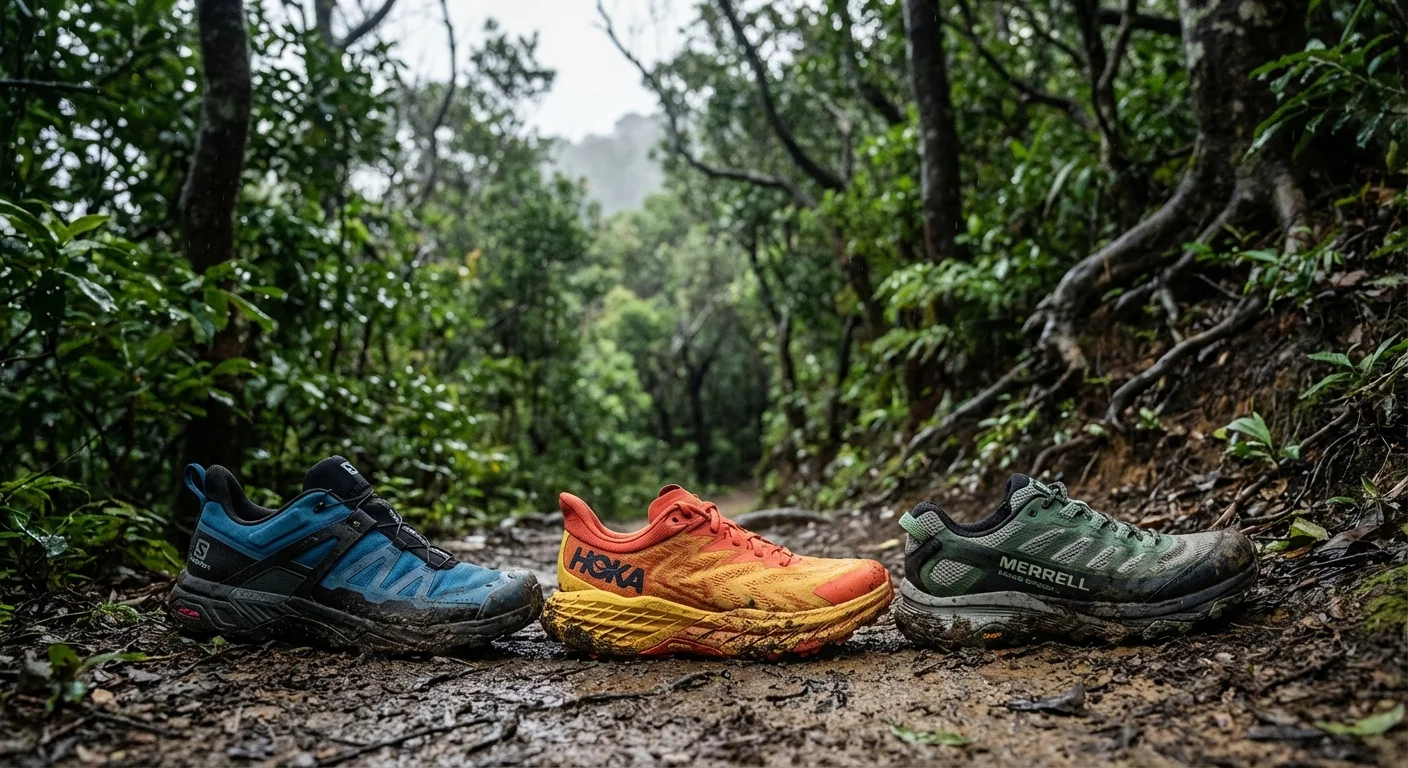
If you’ve ever wondered what kind of shoes are best for trails, you’re not alone. Millions of hikers and runners ask this same question each year. The right trail shoe protects your feet, grips rough terrain, and keeps you comfortable for hours. But the wrong pair can cause blisters, slips, and sore joints. In this 2026 comparison, we break down three top trail shoes side by side. We’ll look at the Salomon X Ultra 5, Hoka Speedgoat 6, and Merrell Moab Speed 2. Each one serves a different type of trail user. By the end, you’ll know exactly which shoe fits your needs.
Table of Contents
- Key Takeaways
- What Kind of Shoes Are Best for Trails? Individual Shoe Breakdowns
- Head-to-Head Comparison: Salomon vs Hoka vs Merrell
- Price and Value Analysis
- What Real Trail Users Are Saying
- Our Final Verdict: What Kind of Shoes Are Best for Trails in 2026?
- Frequently Asked Questions About Trail Shoes
Key Takeaways
- The Salomon X Ultra 5 ($155) wins Best Overall for its grip, support, and all-terrain versatility.
- The Hoka Speedgoat 6 ($160) offers the most cushion, making it ideal for long-distance trail running.
- The Merrell Moab Speed 2 ($130) is the best budget pick with solid traction and a wide toe box.
- All three shoes weigh under 13 oz per shoe, keeping your feet light on technical trails.
- Waterproof versions are available for each model, usually adding $15–$25 to the base price.
| Feature | Salomon X Ultra 5 | Hoka Speedgoat 6 | Merrell Moab Speed 2 |
|---|---|---|---|
| Price | $155 | $160 | $130 |
| Weight (per shoe) | 11.6 oz | 10.8 oz | 12.3 oz |
| Drop | 10 mm | 5 mm | 6 mm |
| Cushion Level | Medium | Maximum | Medium |
| Outsole | Contagrip MA | Vibram Megagrip | Vibram TC5+ |
| Waterproof Option | Yes (+$20) | Yes (+$25) | Yes (+$15) |
| Best For | All-terrain hiking | Ultra trail running | Budget-friendly day hikes |
| Our Rating | 4.7/5 | 4.5/5 | 4.3/5 |
What Kind of Shoes Are Best for Trails? Individual Shoe Breakdowns
Salomon X Ultra 5
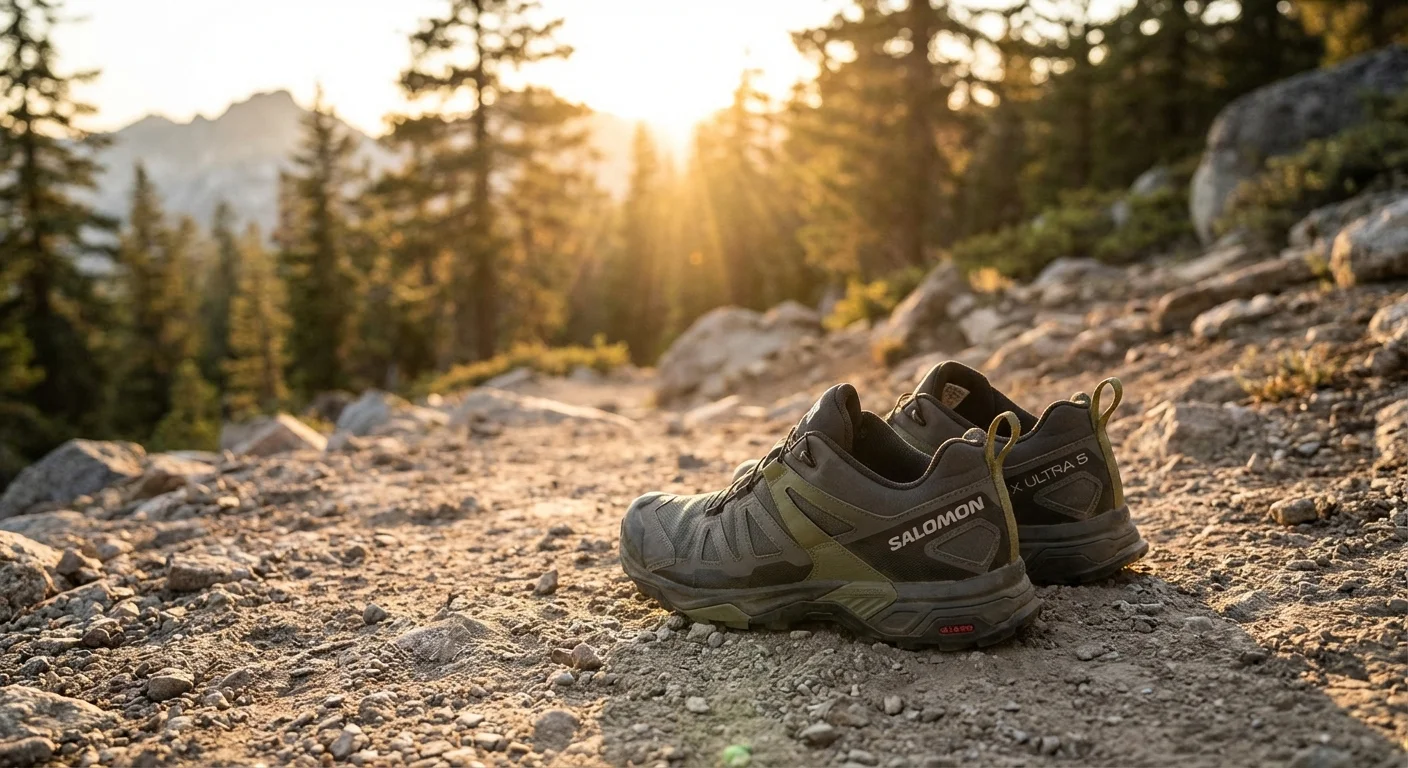
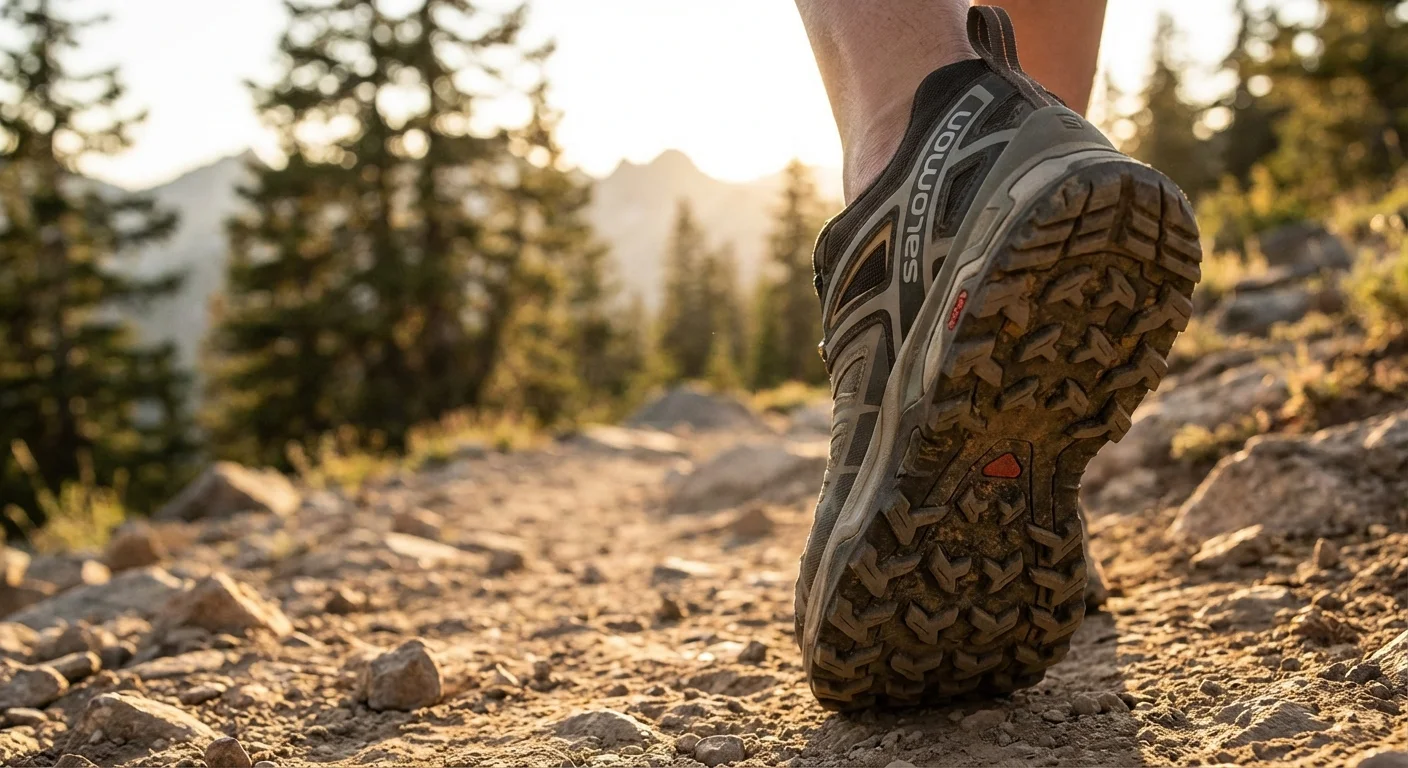
The Salomon X Ultra 5 is our top pick for 2026. It handles rocky, muddy, and dry trails with ease. Salomon’s Contagrip MA outsole uses a sticky rubber compound. This gives you reliable grip on wet rocks and loose gravel. The 5 mm lugs bite into soft ground without feeling clunky on hard surfaces.
Support is where this shoe really shines. The Advanced Chassis sits between the outsole and midsole. It acts like a firm plate that blocks sharp rocks from hitting your foot. You’ll also feel stable on side slopes. The heel cup locks your foot in place to prevent rolling.
Comfort is solid for a mid-cut hiking shoe. The EnergyCell+ foam midsole absorbs impact without feeling mushy. Salomon uses a SensiFit system that wraps your midfoot snugly. The Quicklace system lets you tighten the fit in one pull. It’s faster than standard laces and won’t come untied.
At 11.6 oz, this shoe feels light for its level of protection. It’s great for day hikes, backpacking, and scrambling. The mesh upper dries quickly after creek crossings. However, it’s not fully waterproof unless you pay $20 extra for the GTX version.
$155
- Best-in-class grip on wet and dry surfaces
- Rock plate protects feet on rough terrain
- Quicklace system saves time and stays secure
- Dries fast after water exposure
- Narrow fit may not suit wide feet
- 10 mm drop feels steep for some runners
- Waterproof version costs $175
Hoka Speedgoat 6
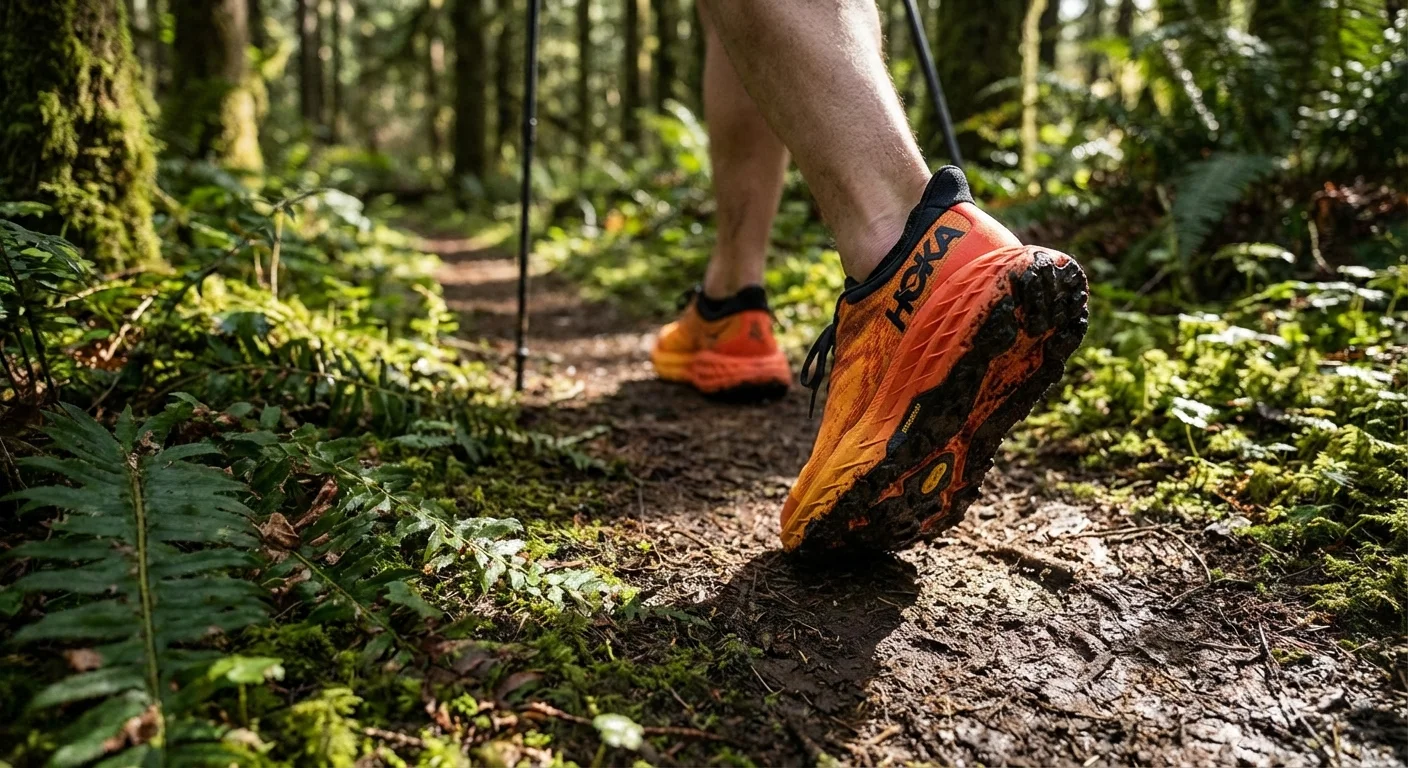
The Hoka Speedgoat 6 is built for runners who eat up miles on trails. It’s the lightest shoe in this comparison at just 10.8 oz. Hoka’s signature thick midsole provides maximum cushion. You can run 20+ miles and your joints still feel fresh.
The Vibram Megagrip outsole is a proven performer. Its 5 mm lugs grip mud, dirt, and loose gravel well. Wet rock traction is solid but not quite as sticky as the Salomon’s Contagrip. The 5 mm heel-to-toe drop keeps you in a natural running position. This low drop reduces stress on your Achilles tendon.
Hoka redesigned the upper for 2026. The new mesh is more breathable than the Speedgoat 5’s version. It also has a gusseted tongue that keeps debris out. The toe box is roomy enough for foot swell during long runs. Hoka added a padded heel collar for better ankle comfort.
The main trade-off is stability. The thick midsole sits high off the ground. This makes you feel slightly less planted on technical rock sections. You trade ground feel for cushion. That’s a fair deal for ultrarunners but not ideal for scramblers.
$160
- Maximum cushion for long-distance comfort
- Lightest shoe in comparison at 10.8 oz
- Roomy toe box fits swollen feet on long runs
- Vibram outsole is durable and grippy
- High stack height reduces ground feel
- Less stable on steep, rocky scrambles
- Thick midsole wears down faster (350–400 miles)
Merrell Moab Speed 2
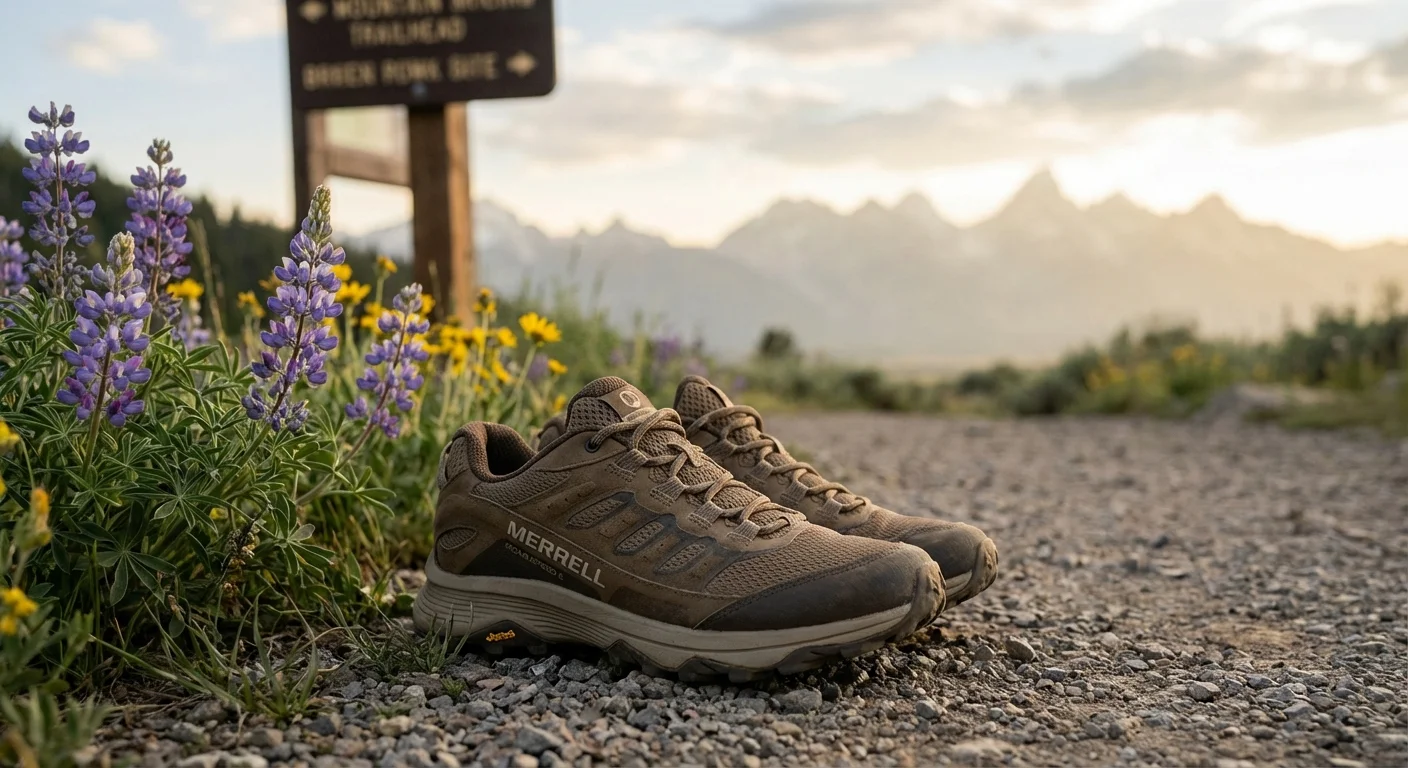
The Merrell Moab Speed 2 answers what kind of shoes are best for trails on a budget. At $130, it’s $25–$30 cheaper than the competition. But it doesn’t feel cheap on your feet. Merrell has refined the Moab line for over a decade. This 2026 version is their best yet.
The Vibram TC5+ outsole grips well on most surfaces. Its lug pattern works best on packed dirt and gravel. Mud traction is decent but not as aggressive as the Salomon’s. The 6 mm drop offers a nice balance between hiking and running posture.
Comfort is a strong point for Merrell. The FloatPro foam midsole is soft but supportive. It’s not as cushioned as the Hoka, but it’s fine for hikes under 10 miles. Merrell also includes a removable insole. You can swap in custom orthotics easily.
The wide toe box is a standout feature. Hikers with wide feet love this shoe. It gives your toes room to spread on downhill sections. The bellows tongue keeps dirt and pebbles out. At 12.3 oz, it’s the heaviest shoe here. But that small weight penalty comes with extra durability.
$130
- Best price at $130
- Wide toe box fits broad feet comfortably
- Removable insole for custom orthotics
- Proven durability across 500+ miles
- Heaviest shoe at 12.3 oz
- Mud traction lags behind Salomon
- Less cushion than Hoka for ultra distances
Head-to-Head Comparison: Salomon vs Hoka vs Merrell
Traction and Grip
The Salomon X Ultra 5 wins this category. Its Contagrip MA rubber is 15% stickier on wet rock than standard Vibram compounds. The Hoka Speedgoat 6’s Vibram Megagrip is close behind. It handles mud and loose dirt well. The Merrell Moab Speed 2’s Vibram TC5+ is good on dry trails. It slips a bit more on wet stone surfaces.
Cushion and Comfort
The Hoka Speedgoat 6 dominates here. Its midsole is 33 mm thick at the heel. That’s 8 mm more than the Salomon and 10 mm more than the Merrell. You’ll feel the difference after mile 15. The Salomon offers medium cushion that suits most day hikers. The Merrell feels firmer but still comfortable for shorter trips.
Weight
The Hoka wins again at 10.8 oz per shoe. The Salomon comes in at 11.6 oz. The Merrell trails at 12.3 oz. That 1.5 oz difference adds up over a full day. Every ounce on your feet equals roughly five ounces on your back. So lighter shoes save real energy.
Durability
The Merrell Moab Speed 2 outlasts both rivals. Users report 500+ miles before the outsole wears thin. The Salomon lasts about 400–450 miles. The Hoka’s thick midsole compresses faster. Most runners replace it around 350–400 miles. So the Merrell gives you the best cost per mile.
Fit and Sizing
Fit varies a lot between these brands. Salomon runs narrow and snug. Hoka offers a medium width with a roomy toe box. Merrell is the widest of the three. If you have wide feet, start with the Merrell. If you want a locked-in feel, go Salomon. Hoka sits right in the middle.
Price and Value Analysis
Let’s talk about value at each price point. The Merrell Moab Speed 2 at $130 is the clear winner for budget-minded hikers. You get Vibram rubber, solid cushion, and proven durability. It’s hard to beat that combination under $135.
The Salomon X Ultra 5 at $155 offers the best all-around performance. You pay $25 more than the Merrell. But you get better grip, lighter weight, and the Quicklace system. It’s worth the upgrade if you hike rocky or wet terrain.
The Hoka Speedgoat 6 at $160 is the premium choice. It costs the most and wears out the fastest. But no other shoe matches its cushion for long runs. Trail runners who cover 30+ miles per week will find it worthwhile. The comfort alone justifies the price for high-mileage users.
Waterproof versions add $15–$25 to each shoe. We only suggest going waterproof if you hike in rain or snow often. Waterproof membranes trap heat and dry slowly once wet.
What Real Trail Users Are Saying
“I’ve hiked 300 miles in my Salomon X Ultra 5 this year. The grip on wet granite is incredible. My ankles haven’t rolled once. It’s the best trail shoe I’ve owned in ten years.”
“The Hoka Speedgoat 6 saved my knees during a 50K race. The cushion is unreal. My only gripe is the outsole wore down after about 370 miles. But I’ll buy them again.”
“Best hiking shoe under $140, period. The Merrell Moab Speed 2 fits my wide feet perfectly. I’ve taken them through Arizona desert and Appalachian mud. Still going strong at 450 miles.”
Our Final Verdict: What Kind of Shoes Are Best for Trails in 2026?
So what kind of shoes are best for trails? It depends on how you use them. Here’s our simple guide.
Best Overall — Salomon X Ultra 5 ($155): Pick this shoe if you hike varied terrain. It handles rocks, mud, and dry dirt better than anything in its class. It’s your best all-around trail partner.
Best for Trail Running — Hoka Speedgoat 6 ($160): Choose this if you run long distances on trails. The cushion is unmatched. Your knees and joints will thank you after 20+ mile days.
Best Budget Pick — Merrell Moab Speed 2 ($130): Go with this if you want great value. It’s durable, comfy, and fits wide feet. You save money without giving up quality.
Try on all three if you can. Fit matters more than any spec sheet. Your perfect trail shoe is the one that feels right on your foot.
Frequently Asked Questions About Trail Shoes
What kind of shoes are best for trails if I’m a beginner?
Start with the Merrell Moab Speed 2. It costs $130 and works on most trail types. The wide fit is forgiving for new hikers. It gives you solid traction and comfort without a big investment. Once you know your trail style, you can upgrade later.
Can I use trail shoes on pavement too?
Yes, but they’ll wear faster. Trail shoe lugs grind down on hard surfaces. If you mix road and trail, the Hoka Speedgoat 6 works best. Its thick midsole cushions pavement impact well. Expect about 15% less lifespan with mixed-surface use.
Do I need waterproof trail shoes?
Not always. Waterproof shoes keep water out but also trap sweat inside. They dry slower than non-waterproof models. Get waterproof shoes if you hike in rain, snow, or wet grass often. For summer trails and creek crossings, breathable mesh dries faster.
How often should I replace trail shoes?
Most trail shoes last 300–500 miles. The Merrell lasts about 500 miles. The Salomon lasts 400–450 miles. The Hoka wears out around 350–400 miles. Check your outsole lugs. If they’re flat or smooth, it’s time for new shoes.
What’s the difference between trail shoes and hiking boots?
Trail shoes sit below the ankle and weigh less. Hiking boots rise above the ankle and weigh more. Trail shoes offer more speed and flexibility. Boots give more ankle support and waterproofing. For day hikes on marked trails, shoes work great. For heavy loads or rough terrain, consider boots.
Are expensive trail shoes worth the money?
It depends on how much you hike. Casual hikers doing 1–2 trips a month can save with the Merrell at $130. Frequent hikers who log 50+ miles monthly benefit from the Salomon’s superior grip. The extra $25 pays for itself in performance and safety on technical terrain.
