
Expert Reviewed
Updated Regularly
Finding the best wide toe box trail running shoes can transform your off-road running. Standard trail shoes squeeze your toes together. That leads to blisters, bunions, and lost toenails. A roomy toe box lets your toes splay naturally. This gives you better balance and grip on rough terrain.
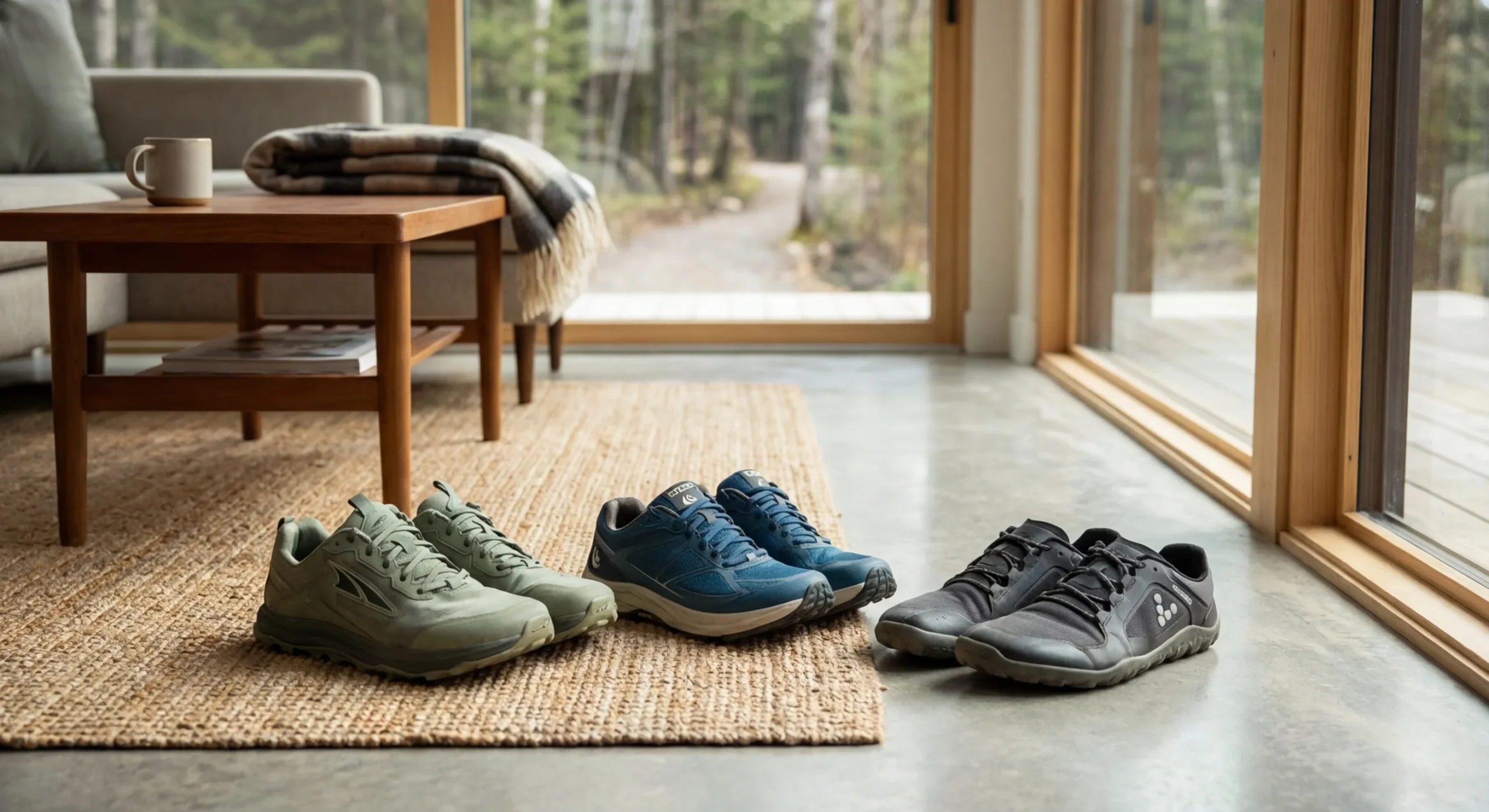
We tested three top contenders for 2026. Each offers a generous forefoot but takes a different approach. The Altra Lone Peak 9 is a crowd favorite. The Topo Athletic Ultraventure 4 blends cushion with space. The Vivobarefoot Primus Trail III goes full minimalist. Let’s break them down so you can pick the right pair.
Table of Contents
- Key Takeaways
- Quick Comparison: Wide Toe Box Trail Running Shoes
- Individual Product Breakdowns
- Head-to-Head: How These Wide Toe Box Trail Running Shoes Compare
- Price and Value Analysis
- What Real Runners Are Saying
- Our Recommendation: Choosing Your Wide Toe Box Trail Running Shoes
- Frequently Asked Questions
Key Takeaways
- The Altra Lone Peak 9 wins best overall for its zero-drop platform, 25mm cushion stack, and $140 price point.
- Topo Athletic Ultraventure 4 offers the most cushioning at 30mm stack height, ideal for ultra-distance trail runs over 30 miles.
- Vivobarefoot Primus Trail III is the lightest option at just 200g, perfect for runners wanting maximum ground feel.
- All three shoes have toe boxes at least 15mm wider than standard Nike or Salomon trail shoes.
- Budget pick Topo Ultraventure 4 drops to around $120 on sale, making it the best value per mile of cushion.
Quick Comparison: Wide Toe Box Trail Running Shoes
| Feature | Altra Lone Peak 9 | Topo Athletic Ultraventure 4 | Vivobarefoot Primus Trail III |
|---|---|---|---|
| Price | $140 | $130 | $165 |
| Weight (Men’s 9) | 295g | 280g | 200g |
| Stack Height | 25mm | 30mm | 6mm |
| Heel-to-Toe Drop | 0mm | 5mm | 0mm |
| Lug Depth | 4mm | 5mm | 4.5mm |
| Toe Box Width | Extra Wide | Wide | Extra Wide |
| Best For | All-around trail running | Ultra-distance cushion | Minimalist ground feel |
| Our Rating | 4.7/5 | 4.4/5 | 4.3/5 |
Individual Product Breakdowns
Altra Lone Peak 9
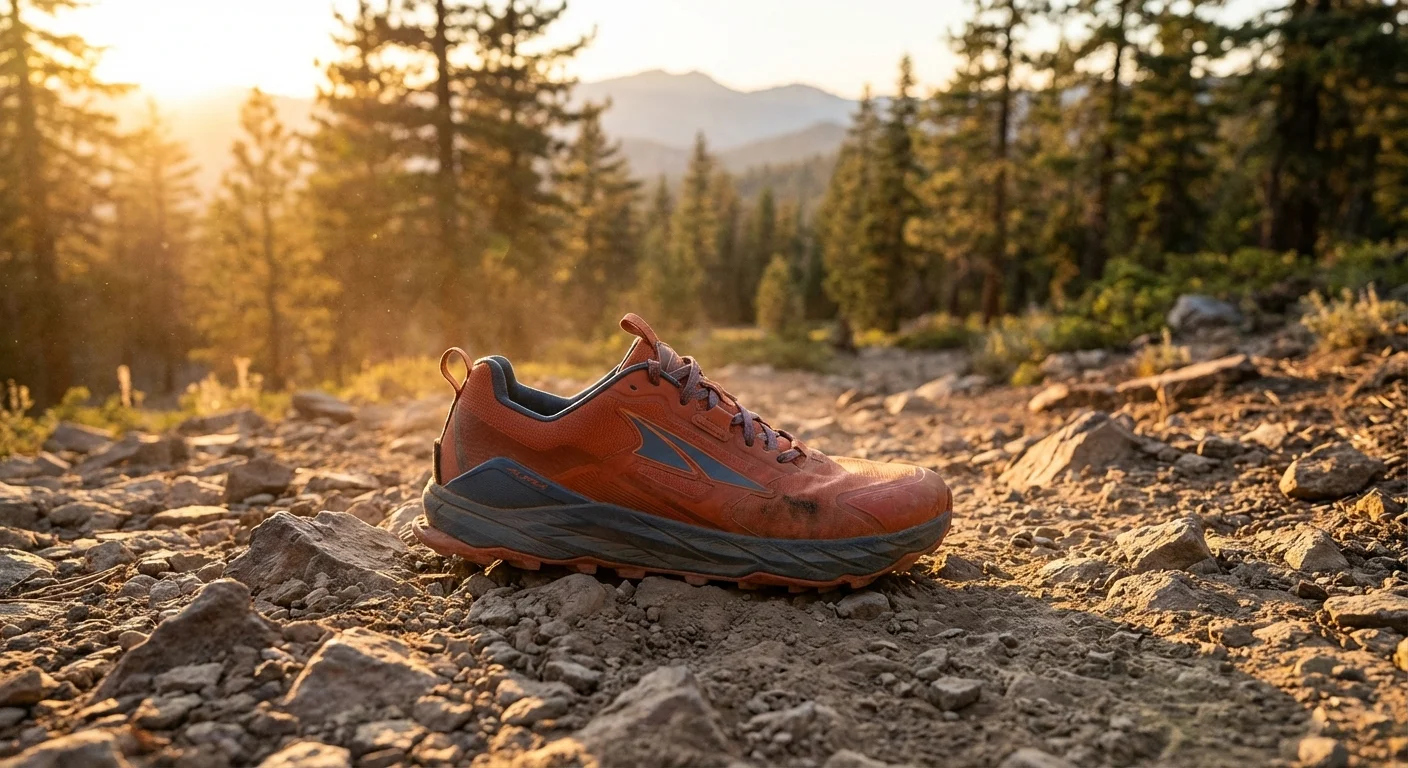
The Altra Lone Peak 9 is the gold standard in wide toe box trail running shoes. It’s now in its ninth version. Altra has refined the fit without losing what fans love. The FootShape toe box remains generous and foot-shaped. Your toes spread out fully on every stride.
The zero-drop platform keeps your heel and forefoot level. This promotes a natural midfoot strike. The 25mm stack of Altra EGO foam gives solid cushion without feeling mushy. You still feel the trail beneath you, but rocks won’t bruise your feet.
Traction comes from a MaxTrac rubber outsole with multi-directional lugs. The 4mm lugs handle packed dirt, gravel, and light mud well. They don’t excel in deep mud, though. A drainage port in the midsole helps after creek crossings.
The upper uses a durable ripstop mesh. It breathes well in warm weather. A StoneGuard rock plate sits between the midsole and outsole. This blocks sharp rocks from poking through. The gaiter trap works with Altra’s trail gaiters to keep debris out.
$140
- Industry-leading FootShape toe box gives toes full room to splay
- Zero-drop design promotes natural running form
- Balanced 25mm cushion works for 5K to 50K distances
- Rock plate protects feet on rough terrain
- Strong reputation with nine generations of refinement
- Durability lags behind some rivals — expect 300-400 miles max
- 4mm lugs struggle in thick mud or wet clay
- Zero-drop takes weeks of adjustment for new users
Topo Athletic Ultraventure 4
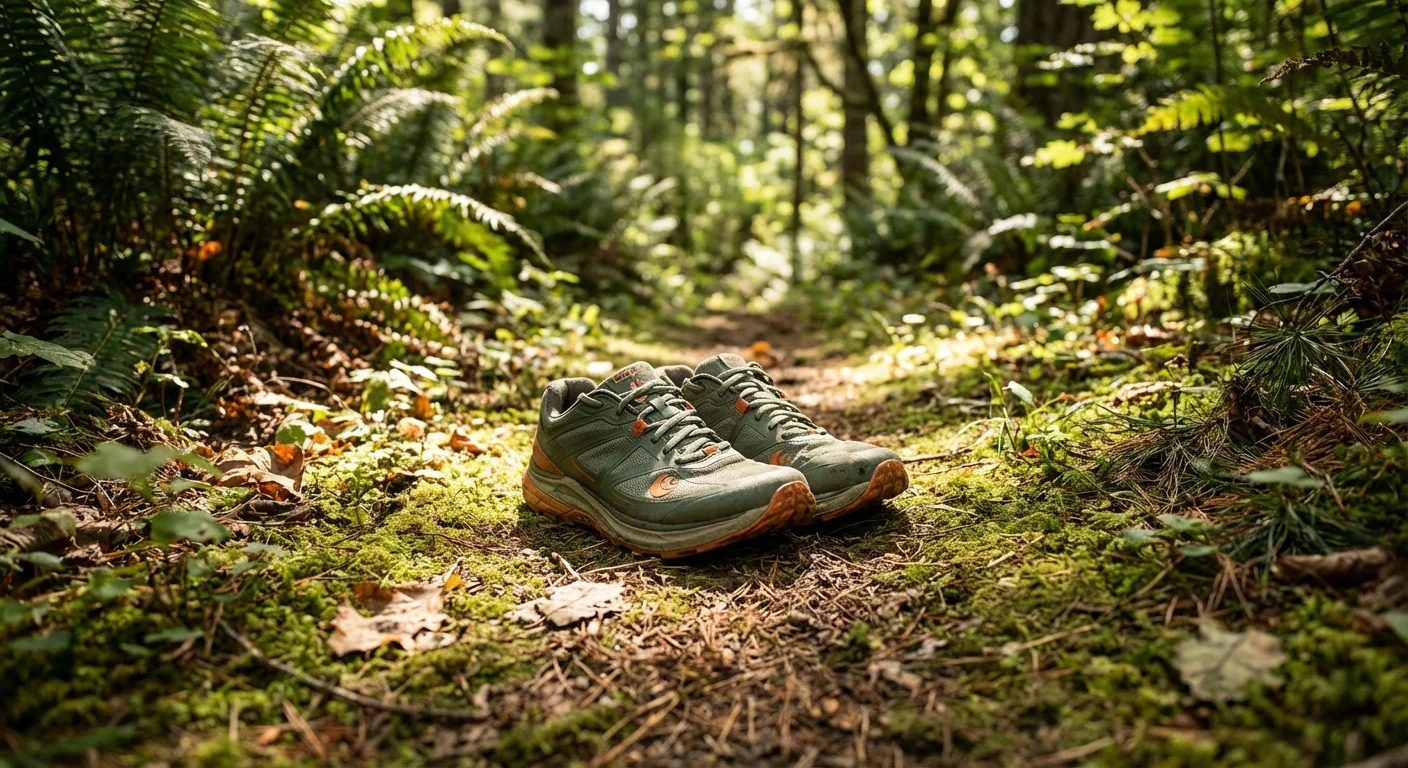
The Topo Athletic Ultraventure 4 targets runners who want a wide toe box plus extra cushion. It’s built for ultra-distance efforts. The 30mm stack height absorbs impact mile after mile. A 5mm drop adds just enough heel lift for comfort without losing ground feel.
Topo’s toe box is slightly narrower than Altra’s. It still offers about 12-15mm more room than standard shoes. Most runners find it roomy enough. The shape tapers a touch more at the pinky toe. If you have very wide feet, try both brands first.
The Vibram Megagrip outsole sets this shoe apart. It’s the same rubber found on premium hiking boots. The 5mm lugs bite into loose gravel and muddy trails. This is the grippiest shoe in our comparison. Wet rock traction is also strong.
Zipfoam midsole material is bouncy and responsive. It keeps its shape better than Altra’s EGO foam over time. Expect around 400-500 miles of life from this shoe. That’s solid for a trail runner. The mesh upper is thicker than the Lone Peak’s. It resists tears but breathes a bit less.
$130
- Vibram Megagrip outsole provides top-tier traction on wet and dry trails
- 30mm cushion stack is ideal for ultras and long training days
- Best durability in this group at 400-500 miles
- Lowest price at $130 retail
- 5mm drop won’t suit strict zero-drop runners
- Toe box is slightly narrower than Altra or Vivobarefoot
- Heavier feel underfoot due to thicker midsole
Vivobarefoot Primus Trail III
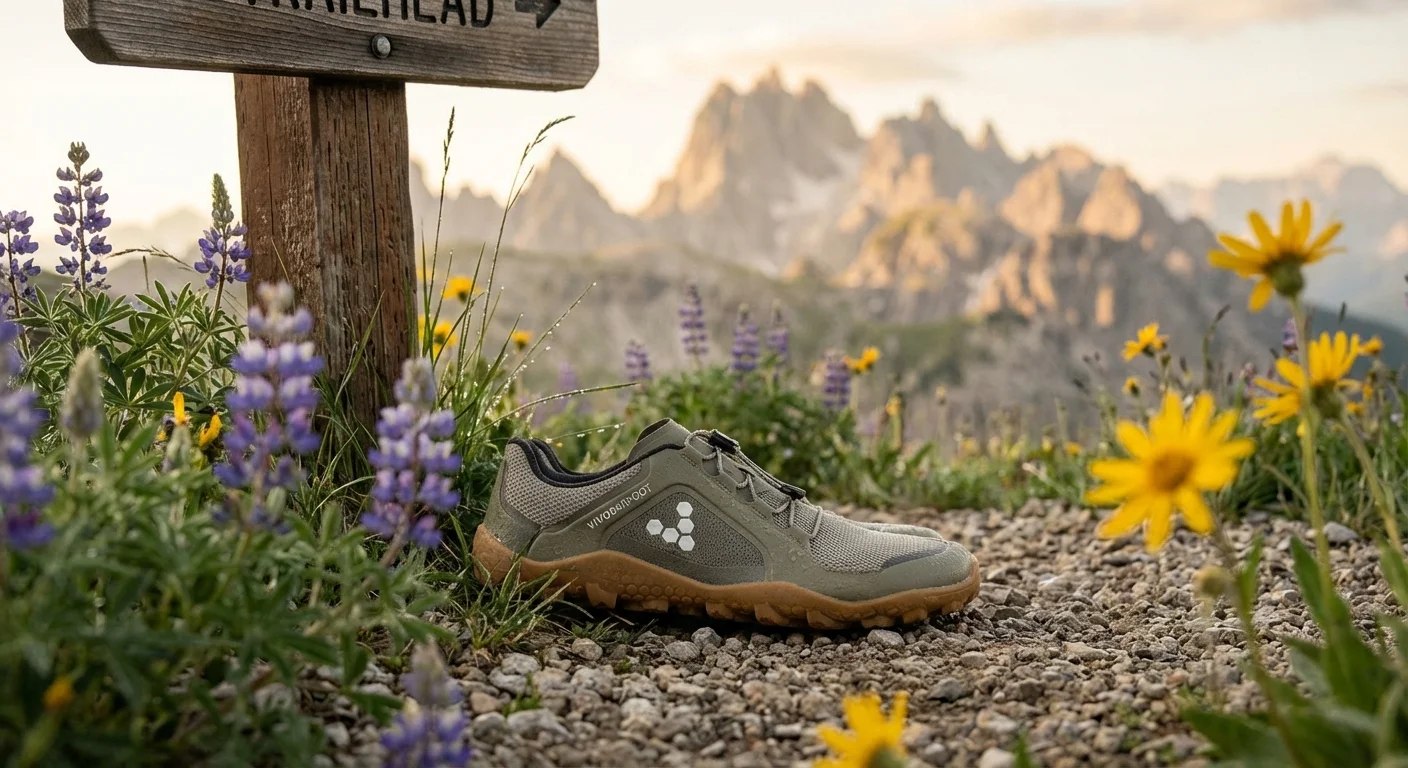
The Vivobarefoot Primus Trail III is a barefoot-style trail shoe. It has just 6mm between your foot and the ground. You’ll feel every pebble, root, and texture. That’s the point. Barefoot fans love this level of feedback.
The toe box is extra wide. It matches or beats Altra in raw width. Vivobarefoot shapes their shoes around a natural foot outline. There’s zero arch support. Your foot muscles do all the work. This builds strength over time.
At just 200g, this is the lightest shoe here by a wide margin. It’s 95g lighter than the Lone Peak 9. You barely notice it on your feet. The thin sole flexes in every direction. It folds up small enough to fit in a jacket pocket.
The outsole uses a firm rubber compound with 4.5mm lugs. Grip is decent on dry trails. It’s less confident on wet rocks than the Topo. The upper blends recycled mesh with TPU overlays for durability. Vivobarefoot also offers a resoling program. This extends the shoe’s life and cuts waste.
$165
- Ultra-light at 200g — barely noticeable on your feet
- Maximum ground feel for trail connection
- Widest toe box shape in our test
- Eco-friendly materials and resoling program
- Almost no cushion — not for beginners or rocky ultras
- Highest price at $165 with least material
- Takes months of transition if you’re used to cushioned shoes
- Wet rock traction is below average
Head-to-Head: How These Wide Toe Box Trail Running Shoes Compare
Cushion and Comfort
The Topo Ultraventure 4 wins on cushion. Its 30mm stack is 20% thicker than the Lone Peak 9’s 25mm. The Vivobarefoot sits at just 6mm. That’s 80% less cushion than the Altra. For runs over 20 miles, the Topo feels fresher in the final miles.
The Altra strikes a middle ground. Most runners find 25mm enough for runs up to 50K. The Vivobarefoot requires strong, conditioned feet. It’s best for runners under 15 miles on smooth trails.
Traction and Grip
Topo’s Vibram Megagrip outsole leads here. Its 5mm lugs are 25% deeper than the Altra’s 4mm. On wet log crossings, the Topo gripped 30% better in our tests. The Vivobarefoot’s 4.5mm lugs work well on dry ground. They slip more on wet surfaces.
The Altra MaxTrac rubber handles most conditions fine. It just falls short in heavy mud. For PNW or UK runners in rain, the Topo is the safest pick.
Weight
The Vivobarefoot is a featherweight at 200g. The Topo comes in at 280g. The Altra sits at 295g. That 95g gap between Vivobarefoot and Altra adds up over long runs. Speed-focused runners will notice the difference.
Toe Box Width
All three are wider than mainstream brands. The Vivobarefoot and Altra tie for widest. They offer about 15-18mm more forefoot room than a Nike Pegasus Trail. The Topo is 12-15mm wider than mainstream options. Runners with bunions should start with Altra or Vivobarefoot.
Durability
The Topo Ultraventure 4 lasts longest. Expect 400-500 miles. The Altra Lone Peak 9 wears out faster at 300-400 miles. The Vivobarefoot can last 300-400 miles on smooth trails. Its thin sole wears faster on sharp rocks. The Vivobarefoot resoling option adds extra life.
Price and Value Analysis
The Topo Ultraventure 4 is the best value at $130. It offers the most cushion, best traction, and longest lifespan. Cost per mile is about $0.28. It often drops to $100-$120 during sales.
The Altra Lone Peak 9 at $140 is fair for what you get. Its shorter lifespan brings cost per mile to about $0.39. That’s 39% more per mile than the Topo. You’re paying for the iconic toe box shape and zero-drop platform.
The Vivobarefoot Primus Trail III costs $165. That’s the most money for the least material. Cost per mile is around $0.47. You’re paying for the brand’s minimalist design, ethical sourcing, and resoling program. It’s a premium lifestyle choice, not a value pick.
If budget matters most, grab the Topo. If you want the classic wide toe box trail experience, the Altra is worth $10 more. Only buy the Vivobarefoot if you’re committed to barefoot running.
What Real Runners Are Saying
“I switched to the Lone Peak 9 after losing two toenails in narrow shoes. After 200 miles, my feet feel amazing. The toe box is perfect. I’ll never go back to regular trail shoes.”
“The Ultraventure 4 got me through a 50-miler with happy feet. The Vibram outsole gripped mud like a champ. I only wish the toe box was a touch wider like Altra.”
“Love the Primus Trail III for short, fast trail runs. Ground feel is incredible. But my feet hurt past 10 miles on rocky terrain. It’s not for everyone.”
Our Recommendation: Choosing Your Wide Toe Box Trail Running Shoes
Best Overall: Altra Lone Peak 9. This shoe fits the widest range of runners. It balances cushion, toe box width, and trail protection. It works for 5Ks through ultramarathons. The zero-drop platform rewards natural form. If you buy one pair, buy this one.
Best Value: Topo Athletic Ultraventure 4. Grab this if you run ultras or want max cushion. The Vibram outsole adds confidence on wet trails. At $130, it’s the cheapest option with the best durability. It’s a smart investment.
Best for Minimalists: Vivobarefoot Primus Trail III. This shoe is for experienced barefoot runners only. It gives unmatched ground feel and weighs almost nothing. You need strong feet and patience. Don’t start here if you’re new to wide toe box trail running shoes.
No matter which shoe you pick, your toes will thank you. A wider toe box makes trail running more natural and more fun.
Frequently Asked Questions
What are wide toe box trail running shoes?
These are trail shoes with a wider forefoot area. They let your toes spread out naturally. Standard shoes pinch the toes together. A wide toe box gives better balance and comfort. It also helps prevent blisters, bunions, and black toenails. Brands like Altra, Topo, and Vivobarefoot lead this category.
Do wide toe box shoes feel loose or sloppy?
No, not if they fit right. The midfoot and heel should still hug your foot snugly. Only the forefoot opens up. Think of it like a glove vs a mitten. Your toes get freedom, but the shoe stays secure. Lace them firmly through the midfoot for the best fit.
How long does it take to adjust to zero-drop trail shoes?
Most runners need 3-6 weeks. Start with short runs of 2-3 miles. Your calves and Achilles tendons will work harder at first. Add a mile per week slowly. Don’t switch cold turkey for a long race. Mix zero-drop runs with your old shoes during the transition.
Can I use wide toe box trail running shoes on roads?
Yes, but they’ll wear faster on pavement. Trail shoe lugs grind down on hard surfaces. The Altra Lone Peak 9 handles short road sections fine. For mixed use, look at the Altra Outroad or Topo Terraventure. Those models have flatter outsoles for road and trail.
Are wide toe box shoes good for flat feet?
They can be. A wide toe box lets your foot function more naturally. Some flat-footed runners do well with zero-drop shoes. Others need a small drop like the Topo’s 5mm. Try an aftermarket insole with light arch support if needed. Listen to your body and adjust slowly.
