
Expert Reviewed
Updated Regularly
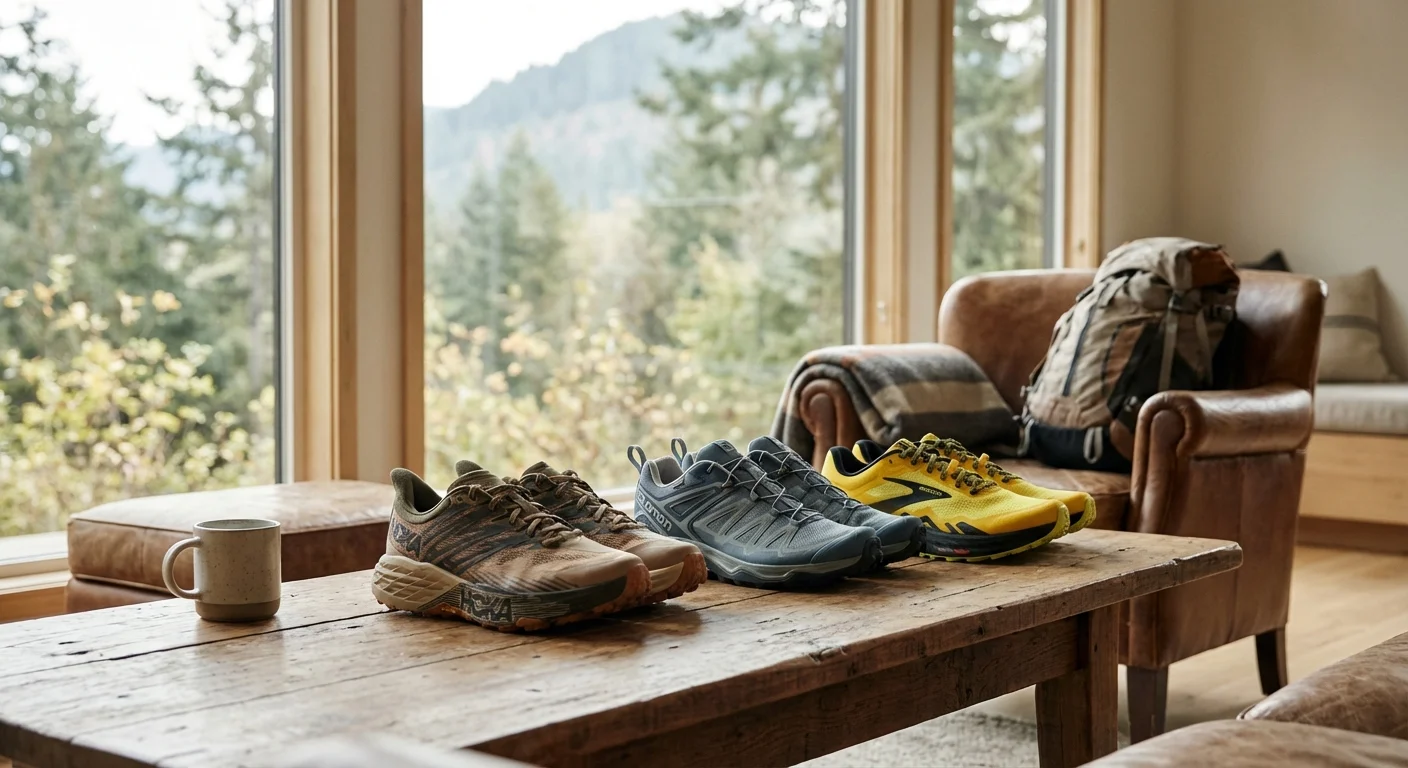
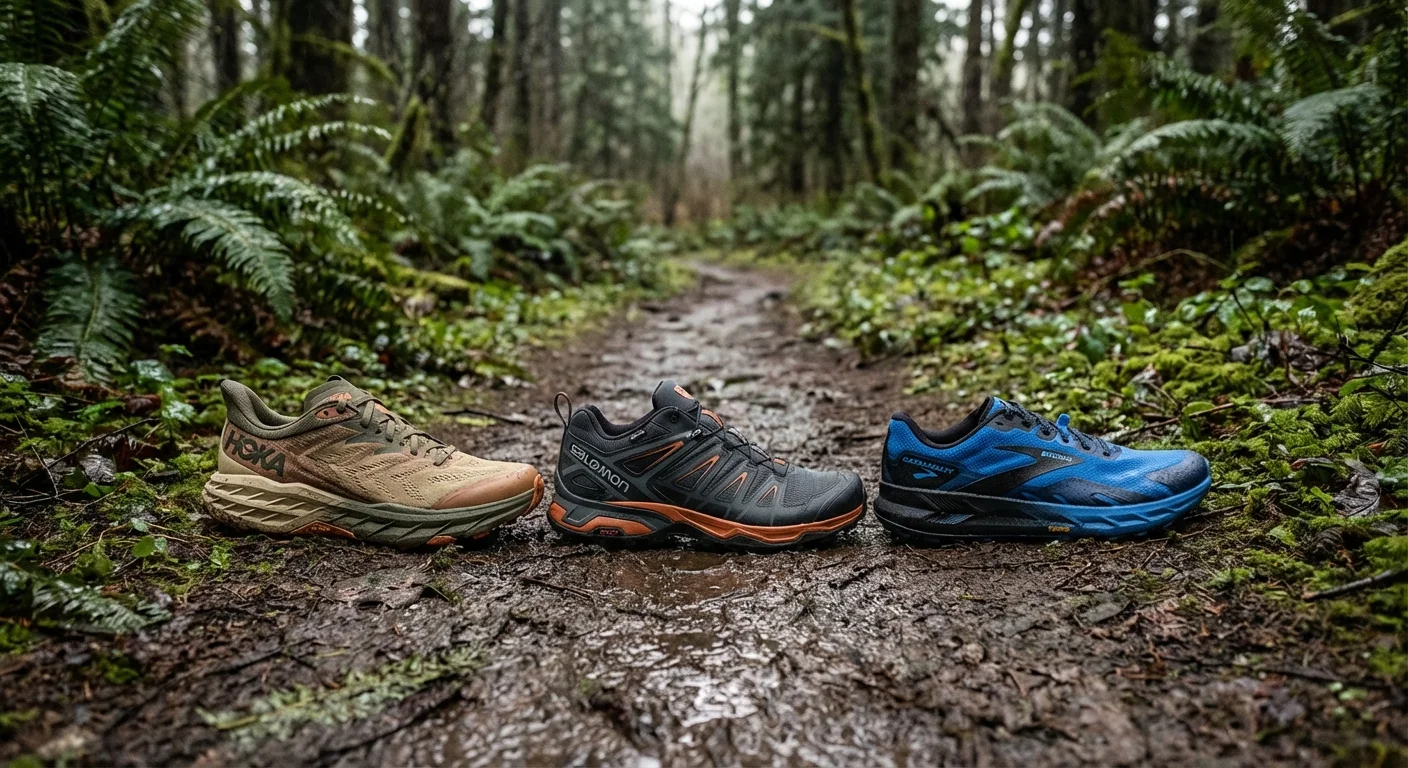
Choosing the right trail running shoes for beginners can feel overwhelming. Dozens of brands compete for your attention. Each one claims to be the best. But as a beginner, you need something specific. You need grip, comfort, and protection — without a steep learning curve. In this comparison, we break down three top picks for 2026. We tested the Hoka Speedgoat 6, Salomon X Ultra Pioneer, and Brooks Catamount 4. Each shoe fits a different type of new trail runner. By the end, you’ll know which pair matches your goals, trails, and budget.
Table of Contents
- Key Takeaways
- Quick Comparison: Best Trail Running Shoes for Beginners in 2026
- Individual Shoe Breakdowns
- Head-to-Head Comparison: How These Trail Shoes Stack Up
- Price and Value Analysis
- What Real Runners Are Saying
- Our Recommendation: Which Trail Running Shoes for Beginners Should You Buy?
- Frequently Asked Questions About Trail Running Shoes for Beginners
Key Takeaways
- The Hoka Speedgoat 6 is the best overall trail running shoe for beginners at $155, thanks to its plush cushion and Vibram outsole grip.
- The Salomon X Ultra Pioneer offers the best value at $120, with a durable chassis and reliable Contagrip tread.
- The Brooks Catamount 4 suits beginners who want speed, weighing just 8.8 oz with a snappy plate system.
- All three shoes have at least 4mm lugs, which is enough for muddy and rocky trails alike.
- Budget-conscious beginners should start with the Salomon — it’s $35 cheaper than the Hoka and nearly as protective.
Quick Comparison: Best Trail Running Shoes for Beginners in 2026
| Feature | Hoka Speedgoat 6 | Salomon X Ultra Pioneer | Brooks Catamount 4 |
|---|---|---|---|
| Price | $155 | $120 | $170 |
| Weight (Men’s Size 9) | 10.2 oz | 11.4 oz | 8.8 oz |
| Heel-to-Toe Drop | 5mm | 10mm | 6mm |
| Cushion Stack Height | 33mm heel / 28mm forefoot | 28mm heel / 18mm forefoot | 30mm heel / 24mm forefoot |
| Outsole | Vibram Megagrip | Contagrip MA | TrailTack Green rubber |
| Lug Depth | 5mm | 4mm | 4.5mm |
| Best For | Max cushion on rocky terrain | Budget-friendly all-around trails | Fast-paced trail runs |
| Our Rating | 4.7/5 | 4.4/5 | 4.3/5 |
Individual Shoe Breakdowns
Hoka Speedgoat 6
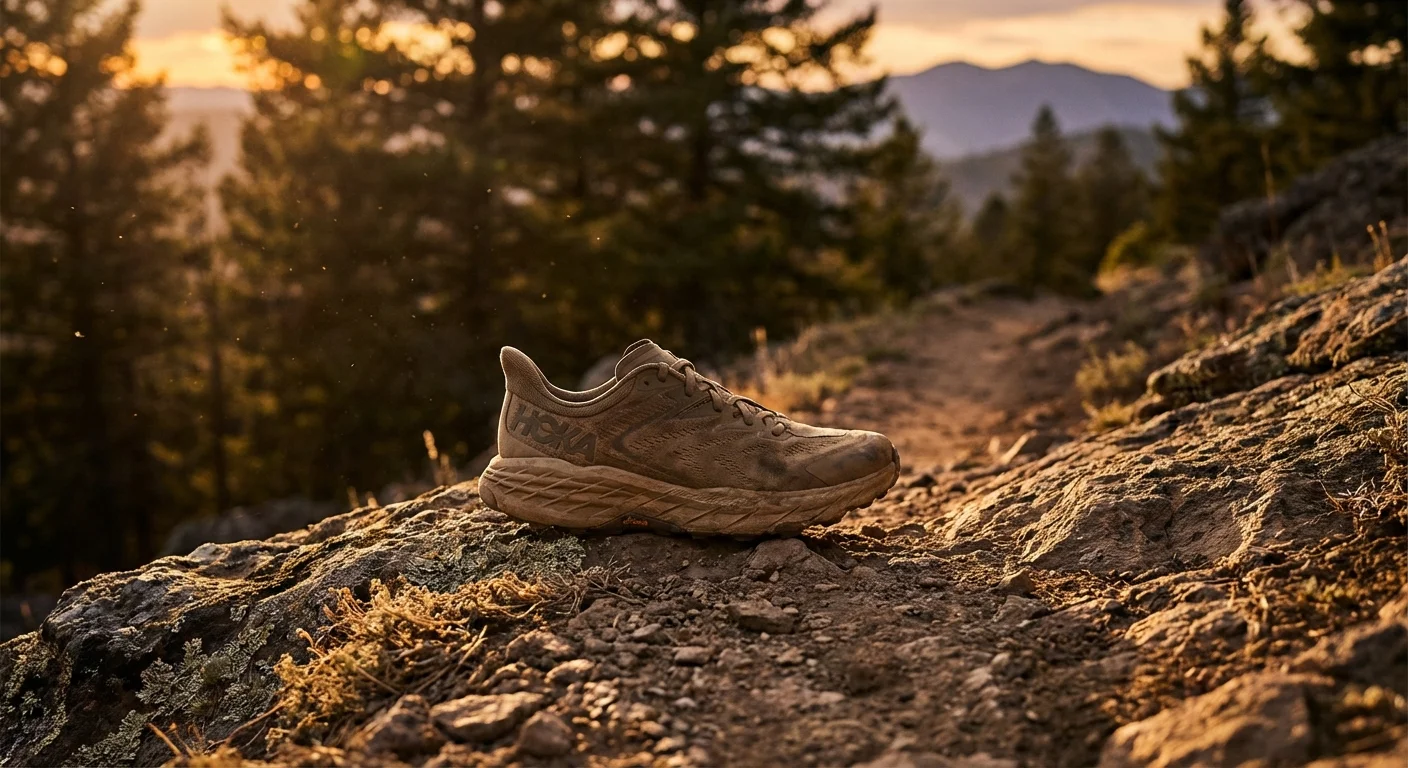
The Hoka Speedgoat 6 is our top pick for trail running shoes for beginners in 2026. Hoka built this shoe around comfort and confidence. It uses a thick layer of CMEVA foam in the midsole. That foam absorbs shock on rocky descents and uneven terrain. Your feet stay protected even on long runs.
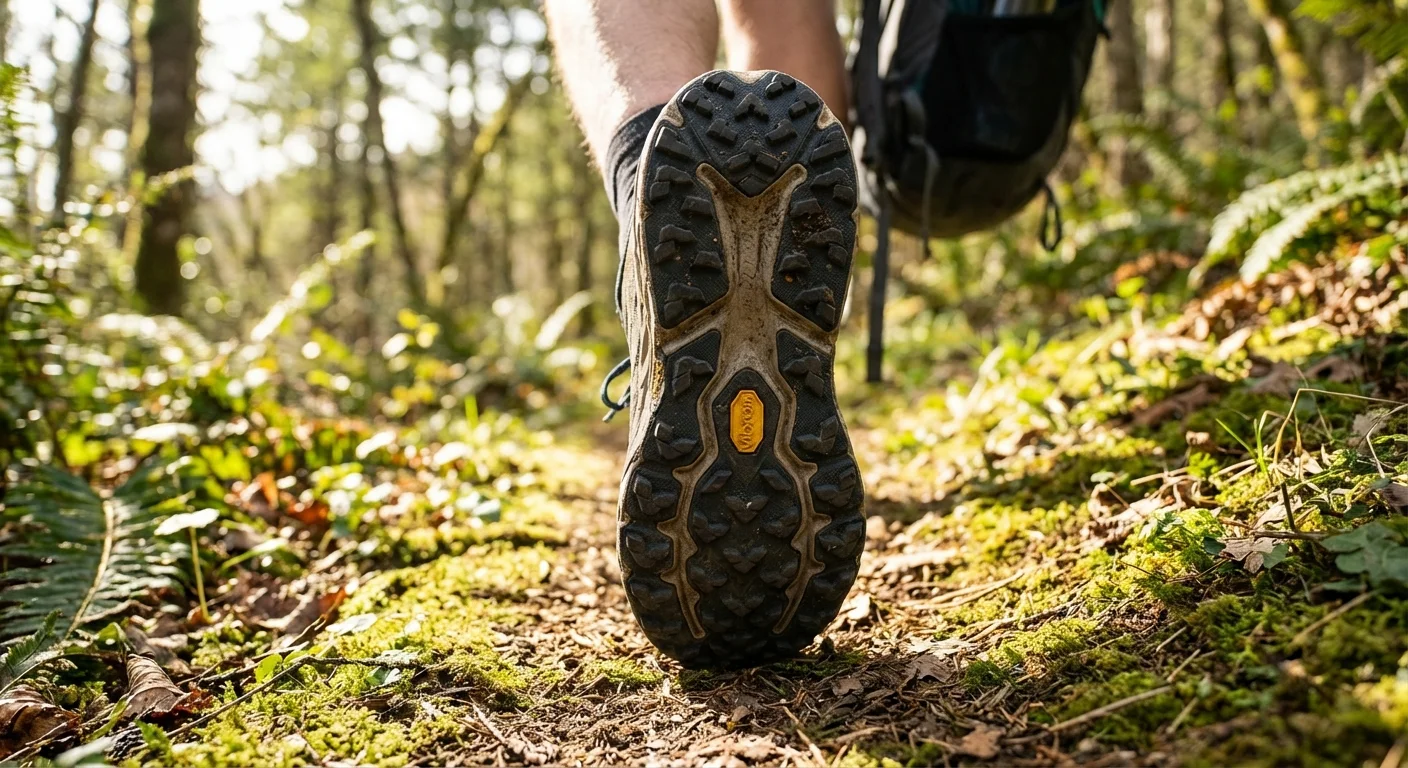
The Vibram Megagrip outsole is a standout feature. It has 5mm lugs that bite into loose dirt and wet rock. New runners won’t slip and slide on their first few outings. The rubber compound is also very durable. Expect at least 350–400 miles before the tread wears down.
The upper uses engineered mesh with reinforced overlays. It keeps debris out while letting air flow through. Hoka also widened the toe box slightly in this version. That’s a huge win for beginners whose feet swell on longer efforts. The heel collar has light padding that locks your foot in place.
At $155, it’s not the cheapest option here. But you’re paying for top-tier cushion and grip. The 5mm heel-to-toe drop feels natural and stable. It doesn’t force your foot into an aggressive forward lean. That makes it great for walking steep hills, too.
One small downside: it’s 10.2 oz. That’s not heavy, but it’s heavier than the Brooks. You’ll notice the extra weight on flat, fast sections. Still, for rocky mountain trails and long runs, nothing here beats the Speedgoat 6.
$155.00
- Best-in-class cushion with 33mm stack height
- Vibram Megagrip outsole with deep 5mm lugs
- Wider toe box fits swelling feet on long runs
- Low 5mm drop feels stable for beginners
- Durable — lasts 350+ miles
- Heavier than the Brooks Catamount 4 at 10.2 oz
- Premium price at $155
- Can feel bulky on smooth, flat trails
Salomon X Ultra Pioneer
The Salomon X Ultra Pioneer is a great entry point. At just $120, it’s the most affordable shoe in this roundup. Salomon designed it as a crossover between a hiking shoe and a trail runner. That makes it very forgiving for beginners still finding their stride.
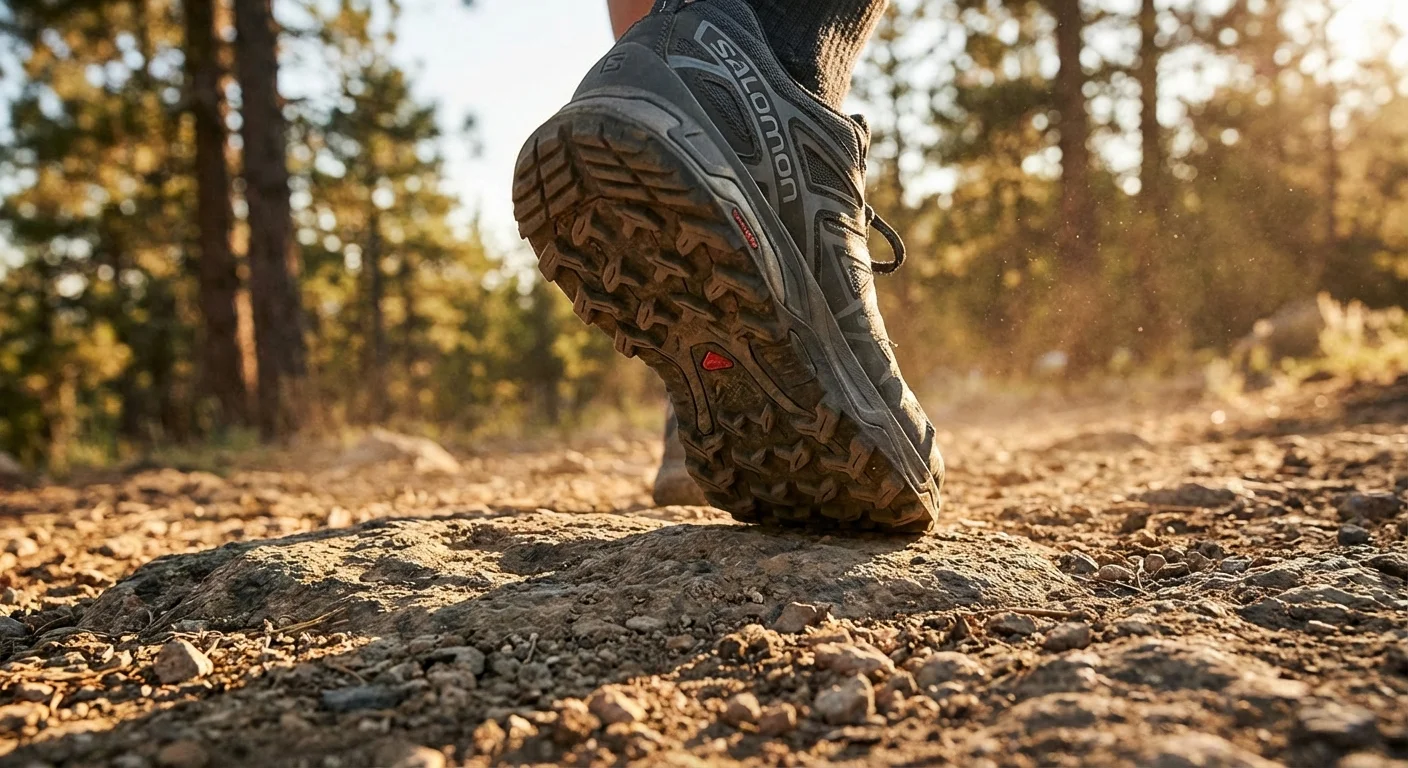
The Contagrip MA outsole handles mixed terrain well. Its 4mm lugs grip dirt, gravel, and light mud. They’re not as deep as the Speedgoat’s lugs, though. On very wet rock, you’ll notice slightly less traction. But for most beginner-level trails, the grip is more than enough.
Salomon uses an Advanced Chassis between the outsole and midsole. This plastic plate adds torsional rigidity. In simple terms, it keeps your foot stable on uneven ground. You won’t roll your ankle as easily. That’s a key benefit for new trail runners.
The midsole uses EnergyCell foam. It’s firm compared to Hoka’s CMEVA. You’ll feel more ground feedback on rocky sections. Some beginners prefer this — it helps them learn to read the trail. Others might want more padding. It depends on your comfort style.
The shoe weighs 11.4 oz. It’s the heaviest here. The 10mm drop is also the highest. That steeper angle might feel familiar if you’re coming from road running shoes. It pushes you forward slightly. Salomon’s Quicklace system is a nice bonus. You pull one tab to tighten the laces. It’s fast and secure.
$120.00
- Most affordable at $120
- Advanced Chassis adds ankle stability
- Quicklace system is easy to use
- 10mm drop suits former road runners
- Durable build quality from Salomon
- Heaviest option at 11.4 oz
- Firmer midsole — less cushion than Hoka
- 4mm lugs slip on very wet rock
Brooks Catamount 4
The Brooks Catamount 4 targets beginners who want to go fast. At 8.8 oz, it’s the lightest shoe in our comparison. It feels nimble on singletrack. Brooks uses their DNA FLASH midsole foam. It’s responsive and springy without being too soft.
Brooks added a thin plastic plate in the midsole. This plate gives each stride a snappy pop. It helps you push off rocks and roots with less effort. On rolling terrain, the Catamount feels smooth and quick. It rewards a faster pace.
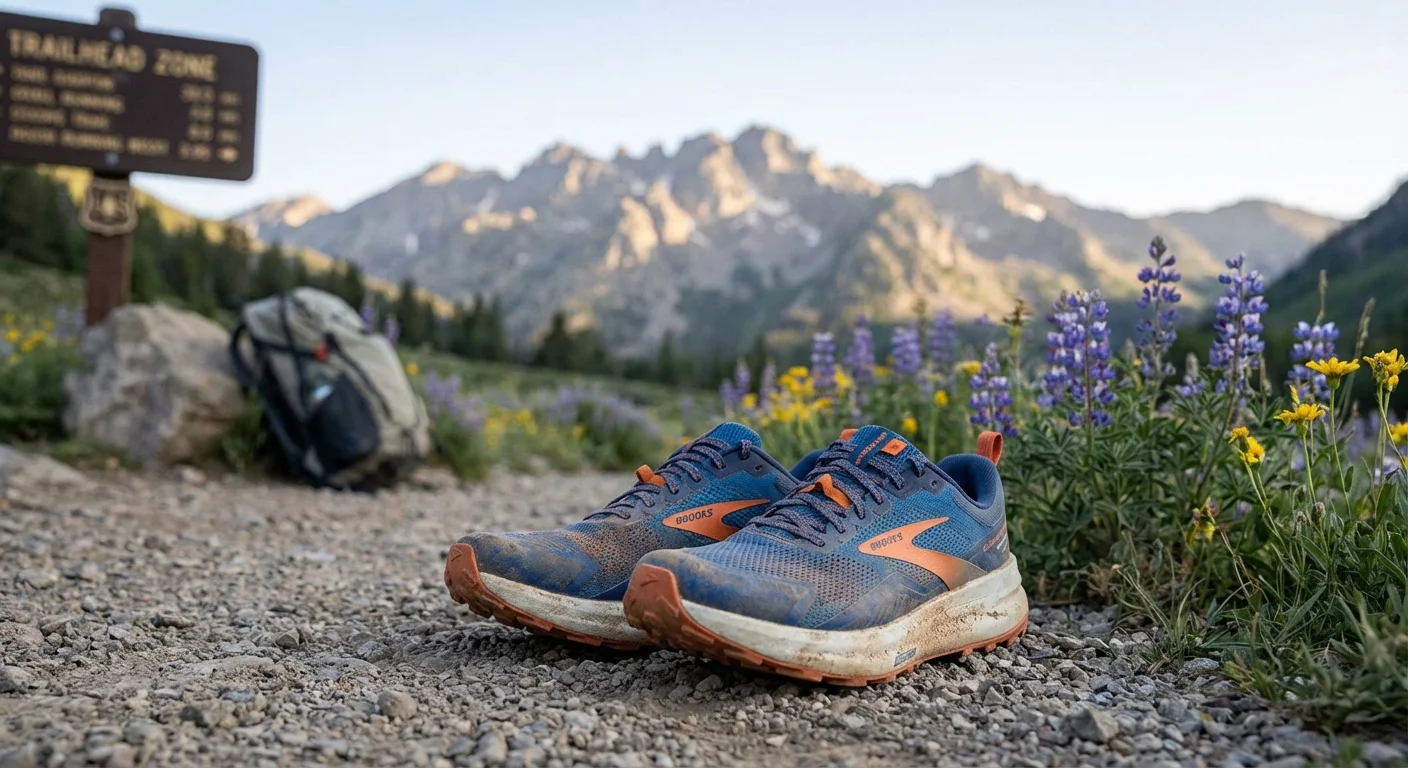
The TrailTack Green outsole uses recycled rubber. It has 4.5mm lugs that grip well on packed dirt and loose gravel. The lug pattern is multi-directional. That helps with both uphill push and downhill braking. Wet performance is decent but not as strong as the Speedgoat’s Vibram sole.
The upper is a thin, breathable mesh. It dries fast after creek crossings. But it offers less protection from sharp rocks. You might feel pointed objects underfoot on very technical terrain. The fit runs slightly narrow, too. If you have wide feet, size up by half.
At $170, it’s the priciest option. You’re paying for that light weight and speed-focused design. It’s a great shoe for beginners who plan to enter trail races. But it’s not the best choice for casual, rocky hikes. The lower stack height means less cushion on long days.
$170.00
- Lightest shoe at just 8.8 oz
- Snappy midsole plate boosts speed
- DNA FLASH foam is responsive and springy
- TrailTack Green outsole uses recycled rubber
- Dries quickly after water crossings
- Most expensive at $170
- Narrow fit — not ideal for wide feet
- Less rock protection on technical trails
- Lower cushion than the Hoka Speedgoat 6
Head-to-Head Comparison: How These Trail Shoes Stack Up
Cushion and Comfort
The Hoka Speedgoat 6 wins this category by a clear margin. Its 33mm heel stack is 5mm taller than the Brooks. It’s 5mm taller than the Salomon at the heel, too. That extra foam makes a real difference on rocky trails. Your joints take less impact over long distances.
The Salomon’s EnergyCell foam is about 15% firmer than Hoka’s CMEVA. You’ll feel more ground contact. The Brooks sits in between — responsive, but not plush. For beginners with joint concerns, the Hoka is the clear choice.
Traction and Grip
Vibram Megagrip on the Speedgoat 6 outperforms both rivals. Its 5mm lugs are 25% deeper than the Salomon’s 4mm lugs. On wet rock, the Hoka holds firm. The Salomon slips slightly. The Brooks Catamount’s 4.5mm lugs land in the middle.
On dry, packed trails, all three perform well. The differences show up in mud and rain. If you run in wet climates, the Hoka’s traction advantage matters most.
Weight and Speed
The Brooks Catamount 4 is 1.4 oz lighter than the Hoka. It’s 2.6 oz lighter than the Salomon. That’s a big gap. Over a 10K trail run, lighter shoes reduce fatigue. The Brooks also has a midsole plate. It adds a forward push that neither rival offers.
If speed matters to you, the Brooks wins here. It’s built for fast efforts. The Hoka and Salomon focus more on comfort and protection.
Durability
The Salomon X Ultra Pioneer is built to last. Its Advanced Chassis and dense rubber compound hold up well. Expect 400+ miles. The Hoka Speedgoat 6 lasts 350–400 miles. The Brooks Catamount 4 wears faster. Its thin outsole and light mesh show wear around 250–300 miles.
For beginners on a budget, shoe lifespan matters. The Salomon gives you the most miles per dollar. The Brooks will need replacing sooner.
Stability
The Salomon’s Advanced Chassis makes it the most stable shoe here. It resists twisting underfoot. The Hoka’s wide platform also adds stability. The Brooks is the least stable. Its lightweight build and narrow fit don’t support wobbly ankles as well.
New runners who worry about ankle rolls should choose the Salomon or Hoka. The Brooks suits confident, nimble runners.
Price and Value Analysis
Let’s talk cost. The Salomon X Ultra Pioneer costs $120. That’s $35 less than the Hoka. It’s $50 less than the Brooks. For most beginners, the Salomon is the smartest first buy. You get solid grip, great stability, and good durability. You don’t break the bank.
The Hoka Speedgoat 6 at $155 offers the best ride quality. Its cushion and grip justify the higher price. If you plan to run rocky, technical trails, this shoe pays for itself. It protects your feet and joints better than both rivals.
The Brooks Catamount 4 costs $170. It’s a specialist shoe. You’re paying for race-day speed and ultra-light weight. But it wears out faster. You’ll spend more per mile. It’s the best choice for beginners with race goals. It’s not the best value for casual trail running.
Dollar for dollar, here’s our ranking: Salomon first, Hoka second, Brooks third. The Salomon costs just $0.30 per mile. The Hoka costs about $0.41 per mile. The Brooks runs around $0.62 per mile. If you’re comparing options, our is nike trail good for walking? guide breaks down the key differences.
What Real Runners Are Saying
“I’m brand new to trail running. The Hoka Speedgoat 6 made my first rocky run feel almost easy. My knees didn’t ache after 8 miles. The grip on wet roots was amazing.”
“The Salomon X Ultra Pioneer is my first trail shoe. I love the Quicklace system. It fits snug and feels stable on loose gravel. It’s firm, but I got used to it fast. Great shoe for the price.”
“I wanted a light trail shoe for 5K races. The Brooks Catamount 4 is fast and fun. But it runs narrow. I had to go up half a size. Also, I feel sharp rocks more than I’d like.” You might also find our what is the most comfortable trail shoe? comparison helpful when narrowing down your choices.
Our Recommendation: Which Trail Running Shoes for Beginners Should You Buy?
Here’s the short answer. The Hoka Speedgoat 6 is the best trail running shoe for most beginners. It cushions rough terrain. It grips wet rock. It protects your joints. At $155, it’s a smart investment for anyone new to the trails.
Choose the Salomon X Ultra Pioneer if budget is your top concern. At $120, it delivers solid all-around performance. Its stability system protects new runners from ankle twists. It lasts longer than both rivals, too.
Pick the Brooks Catamount 4 if you want to run fast. It’s light and springy. It’s built for races and tempo runs on trails. But it costs more. It wears out faster. It offers less protection on rocky ground.
For most beginners, we say start with the Hoka or Salomon. Build your skills and confidence. Then upgrade to a speed shoe like the Brooks when you’re ready to race.
Frequently Asked Questions About Trail Running Shoes for Beginners
What’s the difference between trail shoes and road shoes?
Trail shoes have deeper lugs on the outsole. Those lugs grip dirt, mud, and rocks. Road shoes have flatter soles. Trail shoes also have stiffer midsoles. They protect your feet from sharp objects. Many trail shoes add toe bumpers and rock plates, too. Road shoes focus on cushion and speed on pavement.
How much should I spend on my first trail running shoes?
Plan to spend $100–$160. That range gets you quality grip, cushion, and durability. Shoes under $100 often skimp on outsole rubber. They wear out fast. You don’t need to spend $200+ as a beginner. The Salomon X Ultra Pioneer at $120 is a great starting point.
Do I need waterproof trail running shoes?
Most beginners don’t need waterproof shoes. Waterproof membranes trap heat. Your feet get sweaty. They also take forever to dry once water gets in. Standard mesh shoes drain faster. They breathe better. Save waterproof shoes for winter or very wet climates.
How often should I replace trail running shoes?
Most trail shoes last 300–500 miles. Check your outsole lugs regularly. When they’re worn flat, it’s time for new shoes. You’ll also notice less cushion over time. The midsole foam compresses after months of use. As a rough guide, replace them every 4–6 months if you run three times a week.
Can beginners use trail running shoes on pavement?
Yes, but it’s not ideal. Deep lugs wear down fast on asphalt. They also feel bumpy underfoot. Short stretches of road are fine. Many trails start from parking lots or sidewalks. But don’t use trail shoes as your main road shoe. The lugs will flatten within weeks.
What heel-to-toe drop is best for beginner trail runners?
A drop of 6–10mm works well for most beginners. Higher drops (8–10mm) feel more like road shoes. They’re easy to adjust to. Lower drops (4–6mm) put more strain on your calves. The Salomon’s 10mm drop suits road-to-trail converts. The Hoka’s 5mm drop feels balanced and natural.
