
Expert Reviewed
Updated Regularly
The Asics Megablast is one of the most talked-about running shoes in 2026. It blends cushioning, energy return, and durability into one package. But many runners don’t know how to pick the right fit or break them in the right way. This guide walks you through everything step by step.
You’ll learn how to choose the correct size. You’ll learn how to set up your Asics Megablast for peak comfort. And you’ll learn how to care for them so they last longer. Whether you’re a new runner or a seasoned pro, this guide has you covered.
Table of Contents
Key Takeaways
- The Asics Megablast runs about half a size small, so order 0.5 size up from your normal shoe size.
- Allow 30–50 miles of break-in before judging ride quality and cushioning feel.
- Swap the stock insoles for custom orthotics if you have flat feet or high arches.
- Rotate the Asics Megablast with a lighter training shoe to extend lifespan past 400 miles.
- Clean them with cold water and mild soap only — never use a washing machine or dryer.
Quick Answer: How to Get the Best Asics Megablast Experience
Order the Asics Megablast half a size up from your usual fit. Break them in over 30–50 easy miles before long runs. Pair them with the right socks and lacing method to unlock their full cushioning and energy return.
What You’ll Need
- Asics Megablast running shoes (correct size — see Step 1)
- Moisture-wicking running socks (medium thickness)
- Foot measuring tool or Brannock device
- Optional: custom insoles or orthotic inserts
- Soft brush and mild soap for cleaning
- Shoe trees or crumpled newspaper for drying
Step-by-Step Guide to Setting Up Your Asics Megablast
Step 1: Measure Your Feet Correctly
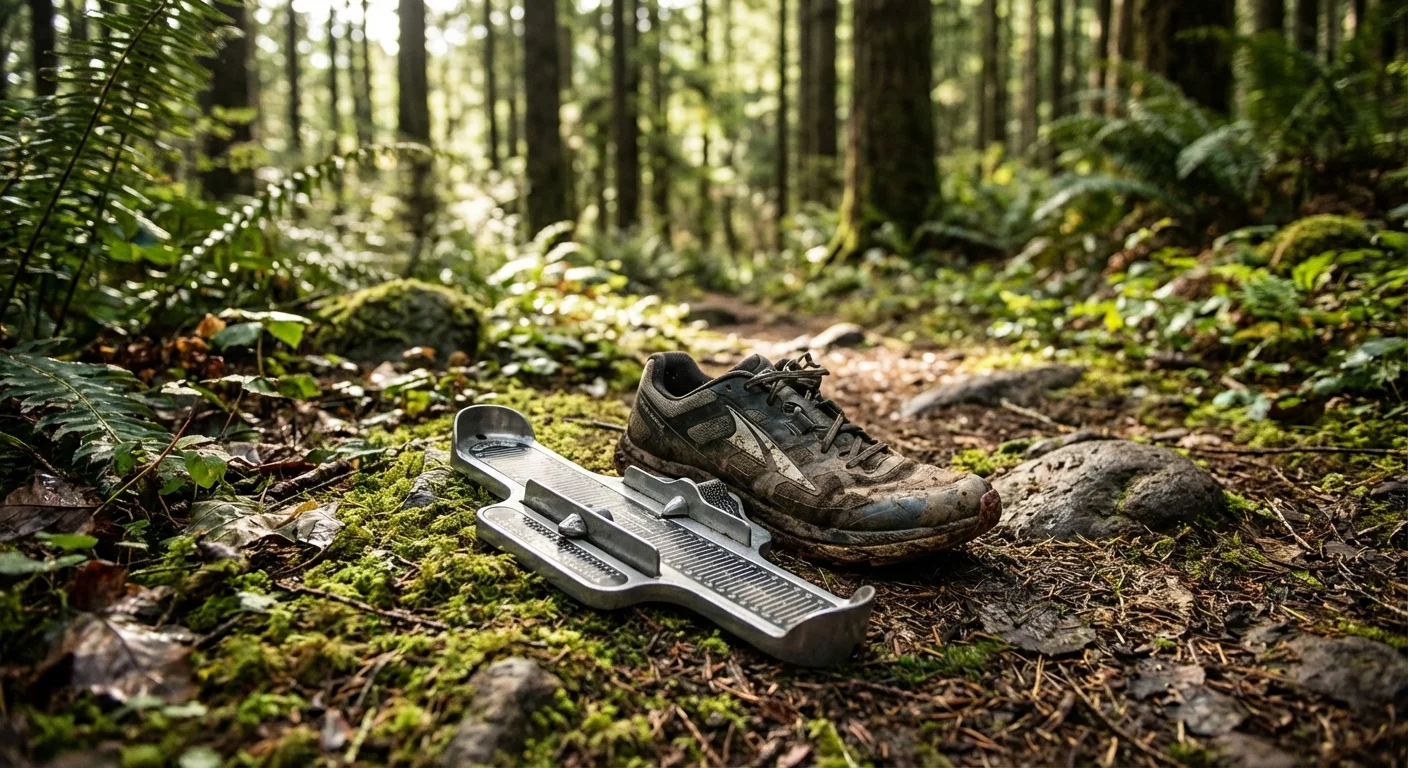
Grab a Brannock device or printable foot chart. Measure both feet while standing. Do this at the end of the day. Your feet swell slightly after walking.
Write down the longer foot’s measurement. This is your base size. The Asics Megablast tends to run tight. Add half a size to your measured length.
Pro tip: Measure in the socks you plan to run in. Thick socks can change your fit by a quarter size.
Step 2: Pick the Right Width
Asics offers the Megablast in standard and wide widths. Standard fits most runners with average feet. Wide works best for those who feel pressure on the sides.
Try both if you can. Your toes should have a thumb’s width of room at the front. The sides should feel snug but not tight.
Pro tip: If you’re between widths, go wide. You can always tighten the laces. But you can’t stretch a narrow shoe.
Step 3: Choose the Right Socks
Socks matter more than most people think. Pick moisture-wicking socks made from merino wool or synthetic blends. Avoid cotton at all costs. Cotton holds sweat and causes blisters.
Medium-thickness socks work best with the Asics Megablast. They fill the shoe without cramping your toes. Thin socks may cause heel slip.
Pro tip: Balega Hidden Comfort and Feetures Elite Max are top picks for 2026. Both pair well with Asics shoes.
Step 4: Lace Them for Your Foot Shape
The default lacing works fine for most runners. But custom lacing fixes common problems fast.
For high arches, skip every other eyelet. This reduces top-of-foot pressure. For heel slip, use the “runner’s loop” with the top two eyelets. This locks your heel in place.
For wide forefeet, loosen the bottom two eyelets. Keep the top half snug. This gives your toes room to spread.
Pro tip: Re-tie your laces before every run. Laces loosen over time and change your fit.
Step 5: Break Them In Gradually
Don’t run a race in brand-new shoes. Start with short, easy runs of 2–3 miles. Do this for the first two weeks.
After 30 miles, the cushioning starts to soften. The upper molds to your foot shape. By 50 miles, the shoe feels like it was made for you.
Keep your old shoes during this time. Swap between them on harder training days.
Pro tip: Walk in the Asics Megablast around the house first. This helps the midsole adjust before you hit the road.
Step 6: Swap Insoles If Needed
The stock insoles in the Asics Megablast are decent. They work for neutral runners with average arches. But they’re not perfect for everyone.
If you have flat feet, try Superfeet Green insoles. They add arch support. For high arches, try Currex RunPro insoles. They cushion the heel and forefoot.
Remove the stock insole first. Slide in the new one. Make sure it sits flat with no bunching.
Pro tip: Custom insoles from a podiatrist cost $200–$400. But they last years and prevent injury.
Step 7: Test on Your Preferred Surface
The Asics Megablast handles roads and light trails well. Its outsole grips pavement and packed dirt. But it’s not built for mud or wet rocks.
Run your first few test miles on flat roads. Pay attention to hot spots. Notice any rubbing or pressure points.
If something feels off, adjust your lacing first. Then check your sock thickness. Most fit issues get solved without a size swap. See how this model stacks up in our what is the best trail shoe? analysis.
Pro tip: Treadmills work great for break-in runs. They offer a smooth surface and easy pace control.
Step 8: Clean and Store Them Properly
After every run, knock off loose dirt. Use a soft brush on the outsole. Wipe the upper with a damp cloth. Our carbon plate trail running shoes review covers the specs and real-world performance in detail.
For deep cleaning, mix cold water with mild soap. Scrub gently with a soft brush. Rinse with cold water. Never use hot water. It breaks down the glue.
Stuff the shoes with newspaper. Let them air dry away from direct heat. This keeps the midsole foam from warping.
Pro tip: Insert cedar shoe trees after drying. They absorb moisture and kill odor-causing bacteria.
Pro Tips for Getting More from Your Asics Megablast
Rotate your shoes. Use the Asics Megablast for long runs and easy days. Pair it with a lighter shoe for speed work. This extends the life of both pairs past 400 miles each.
Track your mileage. Use a running app like Strava or Nike Run Club. Log miles per shoe. Most runners should retire the Megablast at 400–500 miles.
Check the midsole monthly. Press your thumb into the foam. Fresh foam bounces back fast. Dead foam stays compressed. That’s your sign to replace. If you’re comparing options, our trail shoes vs hiking shoes guide breaks down the key differences.
Match socks to weather. Use thin socks in summer heat. Switch to medium or thick socks in winter. This keeps your fit consistent year-round. Before you decide, it’s worth reading our asics trail running shoes deep dive.
Store them in a cool, dry place. Avoid garages and car trunks. Heat degrades foam faster than miles do.
Troubleshooting Common Asics Megablast Issues
Problem: Heel Slipping During Runs
Solution: Use the runner’s loop lacing method. Thread each lace through the top eyelet to create a loop. Cross the laces through the opposite loop. Pull tight. This locks the heel in place.
Problem: Toe Box Feels Too Tight
Solution: Loosen the bottom two eyelets. If that doesn’t help, try the wide version. You can also remove the stock insole and use a thinner aftermarket option.
Problem: Blisters on the Arch or Heel
Solution: Switch to moisture-wicking socks. Apply body glide or anti-chafe balm before runs. Make sure there are no wrinkles in your socks.
Problem: Shoes Feel Stiff After Purchase
Solution: This is normal. The Asics Megablast needs 30–50 miles to break in fully. Walk in them around the house for a few days first. Don’t force long runs early.
Problem: Outsole Wearing Down Unevenly
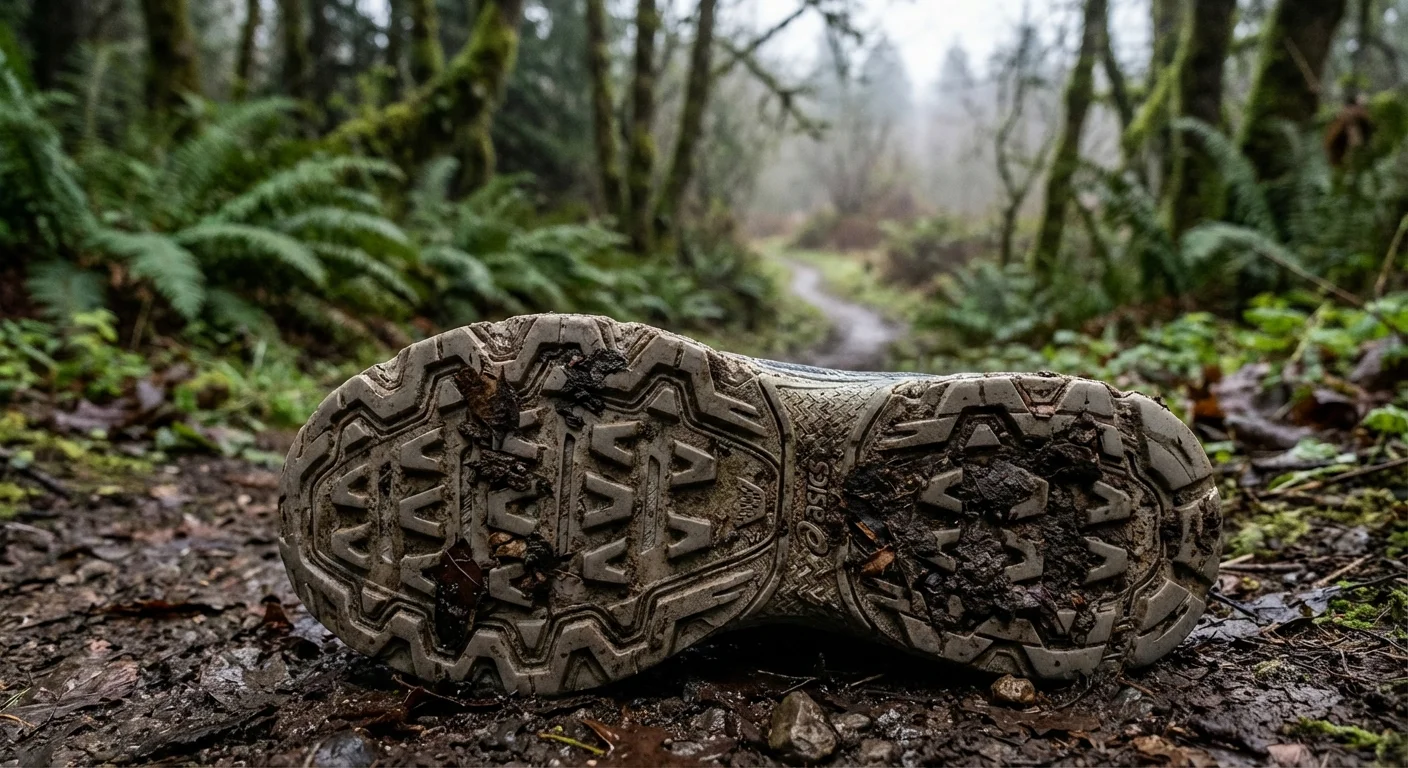
Solution: Uneven wear shows gait issues. Visit a running store for a gait analysis. You may need stability insoles or a different shoe model for some runs.
Frequently Asked Questions About the Asics Megablast
Is the Asics Megablast good for beginners?
Yes. The Asics Megablast suits beginners well. It offers plenty of cushioning for new runners. The support helps prevent common injuries during early training. It works for distances from 5K to half marathon.
How long does the Asics Megablast last?
Most runners get 400–500 miles from a pair. This depends on your weight, running surface, and stride. Rotating with a second pair can push the lifespan closer to 500 miles.
Can I use the Asics Megablast for trail running?
It works on light, packed trails. But it’s not a trail shoe. It lacks the aggressive tread for mud and loose gravel. Stick to roads and smooth paths for the best grip.
Do I need to size up in the Asics Megablast?
Yes. Go half a size up from your normal shoe size. The toe box runs slightly narrow. Ordering up gives your toes enough room to spread during runs.
How do I know when to replace my Asics Megablast?
Check the midsole foam. Press your thumb in firmly. If the foam doesn’t bounce back, the cushioning is dead. Also watch for worn-through outsole rubber. Both signs mean it’s time for a new pair.
Can I wash the Asics Megablast in a washing machine?
No. Machine washing damages the foam and glue. Hand wash with cold water and mild soap instead. Air dry with newspaper stuffed inside. This keeps the shoe’s shape and cushioning intact.
What’s the best surface to run on with the Asics Megablast?
Pavement and smooth asphalt are ideal. The outsole grips well on dry concrete too. Avoid wet trails and rocky terrain. The shoe performs best on flat, hard surfaces.