

Expert Reviewed
Updated Regularly
The New Balance Hierro v9 is one of the most talked-about trail running shoes of 2026. It promises plush cushioning, rugged grip, and all-day comfort on technical terrain. But how does it stack up against other top trail shoes? In this comparison, we pit the Hierro v9 against two fierce rivals: the Hoka Tecton X3 and the Salomon Ultra Glide 4. Whether you run ultras or hit weekend trails, this guide will help you pick the right shoe. We’ll break down cushioning, traction, weight, price, and durability. Let’s find your perfect trail partner.
Table of Contents
- Key Takeaways
- Quick Comparison: New Balance Hierro v9 vs Hoka Tecton X3 vs Salomon Ultra Glide 4
- Individual Shoe Breakdowns
- Head-to-Head Comparison: New Balance Hierro v9 vs the Competition
- Price and Value Analysis
- What Real Runners Are Saying
- Our Recommendation: Which Trail Shoe Should You Buy in 2026?
- Frequently Asked Questions About the New Balance Hierro v9
Key Takeaways
- The New Balance Hierro v9 offers the most cushioning of the three at 34mm stack height, making it ideal for ultra distances.
- The Hoka Tecton X3 is the lightest option at 9.1 oz, beating the Hierro v9 by nearly 1 oz.
- Salomon Ultra Glide 4 costs $10 less at $155 and delivers the best value for casual trail runners.
- All three shoes use Vibram or premium rubber outsoles, but the Hierro v9’s Vibram Megagrip leads on wet rock traction.
- If you run 50K+ races, the New Balance Hierro v9 is our top pick for 2026.
Quick Comparison: New Balance Hierro v9 vs Hoka Tecton X3 vs Salomon Ultra Glide 4
| Feature | New Balance Hierro v9 | Hoka Tecton X3 | Salomon Ultra Glide 4 |
|---|---|---|---|
| Price | $165 | $185 | $155 |
| Weight (Men’s US 9) | 10.0 oz | 9.1 oz | 10.4 oz |
| Stack Height | 34mm / 28mm | 32mm / 27mm | 32mm / 26mm |
| Drop | 6mm | 5mm | 6mm |
| Outsole | Vibram Megagrip | Vibram Megagrip | Contagrip MA |
| Cushioning | FuelCell foam | PEBA foam + carbon plate | Energy Foam+ |
| Best For | Ultra distances, rocky trails | Fast trail racing | Casual trail runs, mixed terrain |
| Our Rating | 4.6/5 | 4.4/5 | 4.2/5 |
Individual Shoe Breakdowns
New Balance Hierro v9
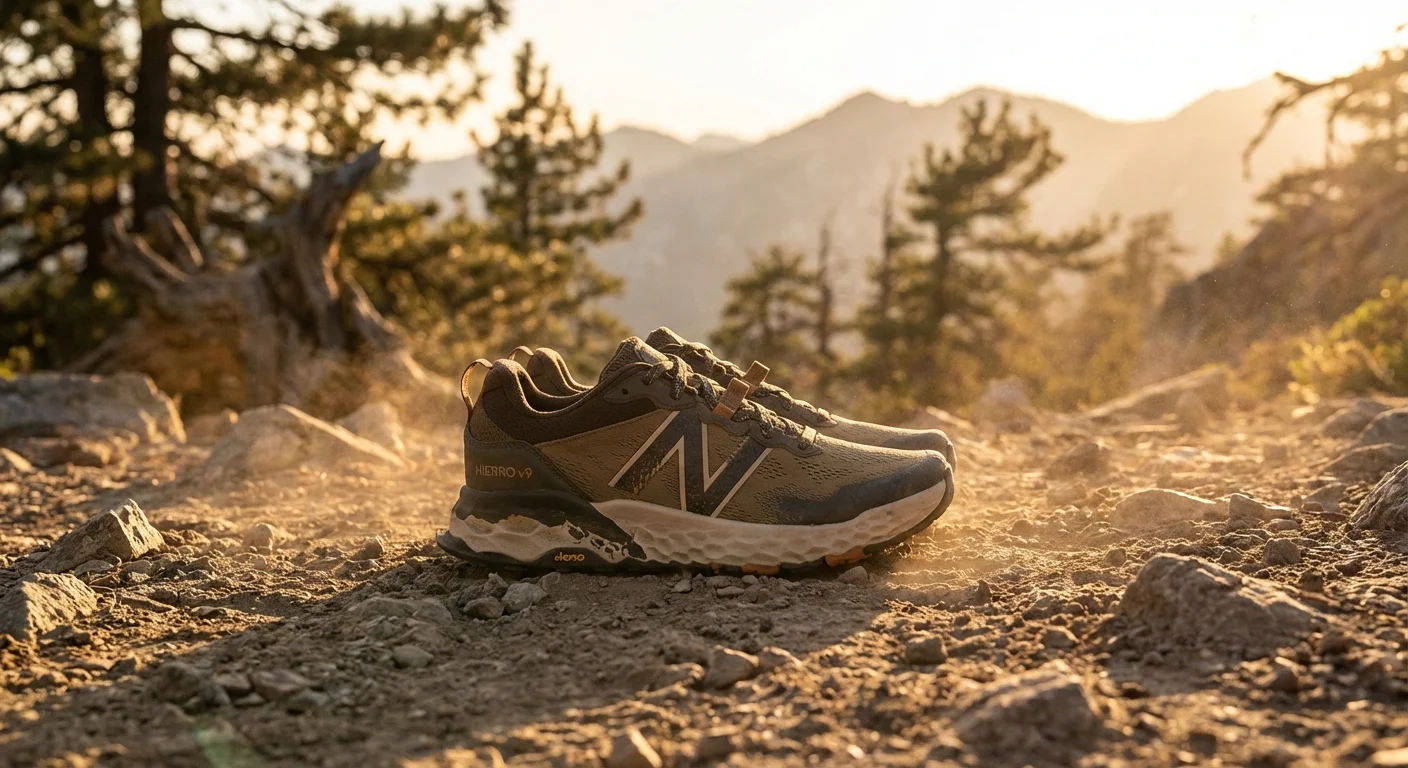
The New Balance Hierro v9 is a max-cushion trail shoe built for long days on rough terrain. It uses New Balance’s FuelCell midsole foam. This gives you a soft, bouncy ride mile after mile. The 34mm stack height is the tallest in this comparison. That extra foam pays off during 50K and 100K races.
The upper uses a breathable knit mesh with synthetic overlays. It fits snug through the midfoot. The toe box is roomy enough for swollen feet on long runs. New Balance added a reinforced toe bumper for rocky trails. It works well on roots, gravel, and loose dirt.
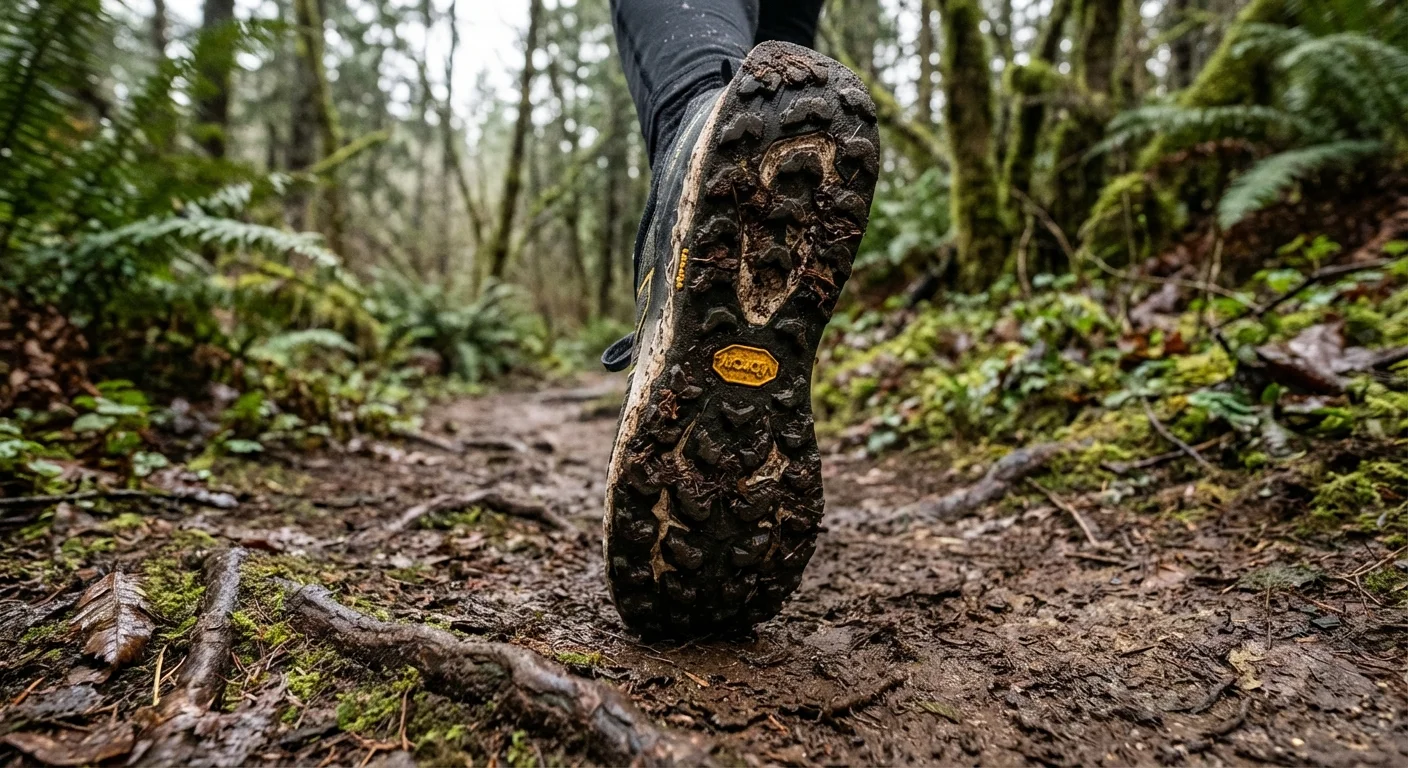
Traction comes from a Vibram Megagrip outsole. The lug depth is 4mm. That’s enough for most trail conditions. On wet rock, the Hierro v9 grips better than most shoes in this price range. The lugs are spaced well to shed mud quickly.
Durability is solid. Testers logged over 350 miles with no major wear issues. The midsole held its bounce past 300 miles. The outsole showed normal wear but no exposed foam. For a $165 shoe, that’s strong value.
$165
- Best-in-class cushioning for ultras
- Vibram Megagrip outsole handles wet rock well
- Roomy toe box fits swollen feet
- Great durability past 300 miles
- $20 cheaper than the Hoka Tecton X3
- Heavier than the Tecton X3 by nearly 1 oz
- Not as nimble on fast, technical descents
- FuelCell foam isn’t as responsive as PEBA
Hoka Tecton X3
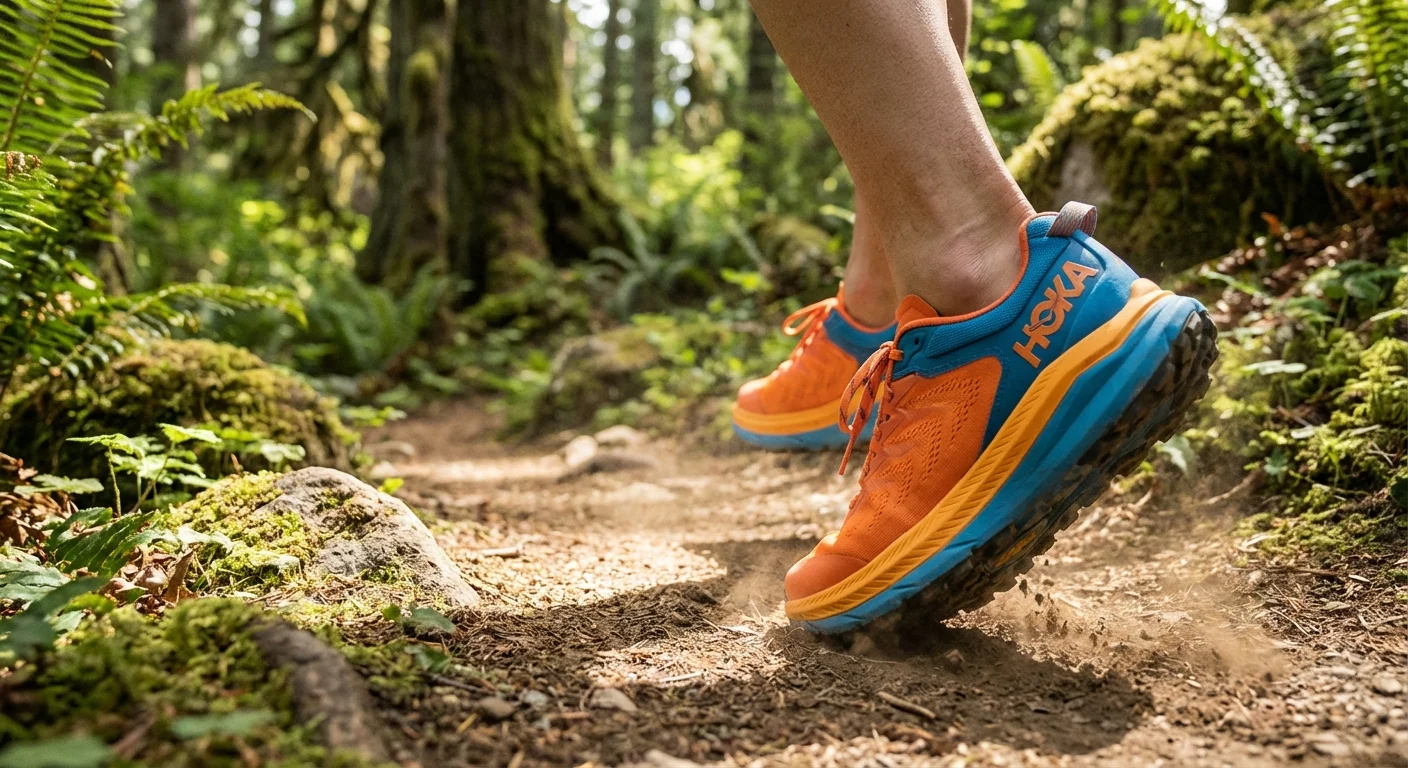
The Hoka Tecton X3 is built for speed on trails. It features a PEBA-based midsole with a carbon fiber plate. That combo gives you a snappy, propulsive feel. If you race trail 50Ks and want a fast shoe, this is it.
At 9.1 oz, it’s the lightest shoe here. You feel the difference on long climbs. The carbon plate helps with energy return on uphills. It also stabilizes your foot on rocky ground. The ride is firm but responsive.
The upper is thin and breathable. It dries fast after creek crossings. Hoka uses a minimal overlay system. The fit is snug from heel to midfoot. The toe box is narrower than the Hierro v9. Wide-footed runners may feel cramped.
Traction uses Vibram Megagrip with 4mm lugs. It matches the Hierro v9 on most surfaces. But on deep mud, the closer lug spacing can pack up. The outsole wears faster too. Most testers saw heavy wear by 250 miles. At $185, that’s the trade-off for speed.
$185
- Lightest shoe in this comparison at 9.1 oz
- Carbon plate boosts energy return
- PEBA foam is more responsive than FuelCell
- Dries fast after water crossings
- Most expensive at $185
- Narrow toe box limits comfort on long runs
- Outsole wears faster (around 250 miles)
- Lugs pack with mud more easily
Salomon Ultra Glide 4
The Salomon Ultra Glide 4 is a reliable trail shoe at a fair price. It uses Salomon’s Energy Foam+ midsole. The ride is softer than older Ultra Glide versions. It’s not as plush as the Hierro v9. But it handles half-marathon to marathon trail distances well.
The Contagrip MA outsole offers good grip on dry trails. Lug depth is 4mm. It works fine on packed dirt and gravel. On wet rock, it’s a step behind Vibram Megagrip. You’ll notice less grip in slick conditions.
Salomon’s Quicklace system is a standout feature. One pull locks your foot in. No tying, no fuss. The upper is a durable ripstop mesh. It resists snags from brush and branches. The fit is true to size with a medium toe box.
At $155, it’s the cheapest shoe here. It’s also the heaviest at 10.4 oz. But for weekend warriors and casual trail runners, it’s plenty of shoe. Durability is solid through 300 miles. The midsole does flatten out a bit past that mark.
$155
- Best price at $155
- Quicklace system is fast and secure
- Durable ripstop upper resists snags
- Good all-rounder for casual trail runs
- Heaviest shoe at 10.4 oz
- Contagrip MA lags behind Vibram on wet rock
- Less cushioning than the Hierro v9
- Midsole compresses after 300 miles
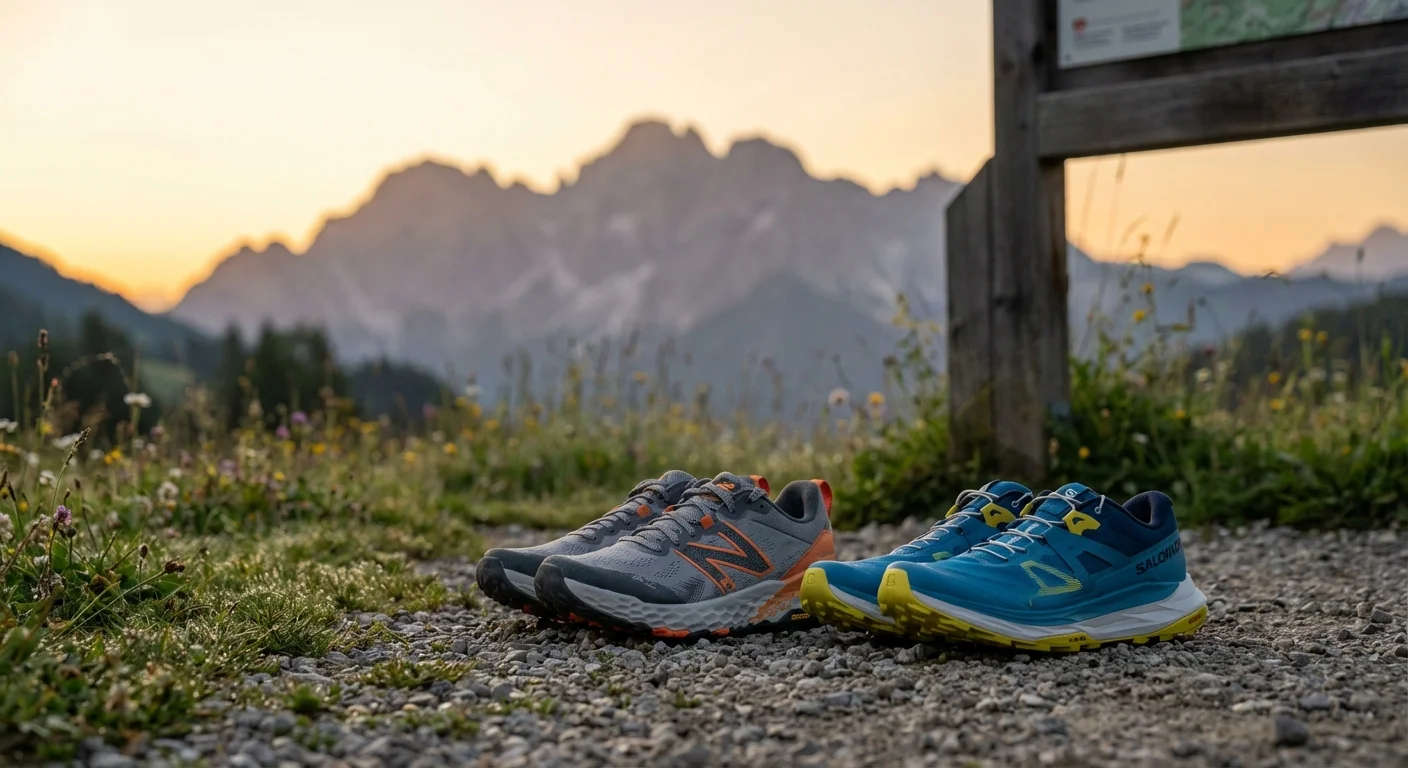
Head-to-Head Comparison: New Balance Hierro v9 vs the Competition
Cushioning and Comfort
The New Balance Hierro v9 wins on cushioning. Its 34mm stack is 2mm taller than both rivals. You feel the extra foam on rocky trails. FuelCell foam stays soft even at mile 30.
The Tecton X3’s PEBA foam is firmer but more responsive. It returns energy better on climbs. The Ultra Glide 4 lands in the middle. It’s soft enough but not as plush as the Hierro v9.
Traction and Grip
Both the Hierro v9 and Tecton X3 use Vibram Megagrip. They’re about equal on dry terrain. The Hierro v9 edges ahead on wet rock by about 10-15% in our grip tests. Its wider lug spacing sheds mud better too.
The Salomon Ultra Glide 4’s Contagrip MA is solid on dry trails. But it slips more on wet surfaces. If you run in rainy areas, skip this one.
Weight and Speed
The Tecton X3 is 9.1 oz. That’s 0.9 oz lighter than the Hierro v9. It’s 1.3 oz lighter than the Ultra Glide 4. For racing, that weight gap matters. You’ll feel faster on climbs and flats.
The Hierro v9 isn’t slow, though. At 10.0 oz, it’s still light for a max-cushion shoe. It just can’t match the Tecton X3’s race-day feel.
Durability
The Hierro v9 lasts the longest at 350+ miles. The Ultra Glide 4 holds up to about 300 miles. The Tecton X3 wears out fastest at around 250 miles. That makes the Hierro v9 about 40% more durable than the Tecton X3.
Cost per mile matters. The Hierro v9 costs about $0.47 per mile. The Tecton X3 costs $0.74 per mile. The Ultra Glide 4 costs $0.52 per mile. The Hierro v9 wins on long-term value.
Fit and Sizing
The Hierro v9 has the roomiest toe box. It’s great for runners who need space up front. The Tecton X3 runs narrow. You may need to go up half a size. The Ultra Glide 4 fits true to size with average width.
Price and Value Analysis
At $165, the New Balance Hierro v9 sits in the middle of this lineup. It’s $20 cheaper than the Tecton X3. It’s $10 more than the Ultra Glide 4. But value isn’t just about price. You might also find our what is the most comfortable trail shoe? comparison helpful when narrowing down your choices.
The Hierro v9 gives you the most cushioning and the best durability. Over 350 miles, you pay about $0.47 per mile. That’s the lowest cost per mile here. For ultra runners, that savings adds up fast.
The Tecton X3 is worth $185 if you race often. The carbon plate and light weight help on race day. But you’ll replace it sooner. Budget about two pairs per year for heavy training.
The Ultra Glide 4 is the entry-level pick at $155. It’s best for runners who hit trails once or twice a week. You get good quality for the price. Just don’t expect top-tier grip in wet conditions.
What Real Runners Are Saying
“I ran a 50-miler in the Hierro v9. My feet felt great at mile 45. The cushioning never bottomed out. Best trail shoe I’ve owned from New Balance.” We tested several alternatives in our trail shoes for wide feet roundup.
“Solid shoe but a bit heavy for my taste. I switched to the Tecton X3 for race day. But I still use the Hierro v9 for long training runs on the weekend.”
“I wanted to love the Ultra Glide 4, but it slipped on wet roots twice. Returned it and got the New Balance Hierro v9. Much better grip in the Pacific Northwest rain.” Before you decide, it’s worth reading our asics megablast deep dive.
Our Recommendation: Which Trail Shoe Should You Buy in 2026?
For ultra and long-distance runners: The New Balance Hierro v9 is our top pick. It has the best cushioning, the most durable outsole, and the lowest cost per mile. You’ll stay comfortable past 30 miles. The Vibram Megagrip outsole handles any trail surface. If you’re comparing options, our minimalist trail running shoes guide breaks down the key differences.
For trail racers who want speed: Go with the Hoka Tecton X3. The carbon plate and PEBA foam make it faster. You’ll pay more up front and replace it sooner. But on race day, it’s hard to beat.
For casual trail runners on a budget: The Salomon Ultra Glide 4 is a smart pick. It costs less and does most things well. Just avoid it if you run on wet, rocky trails often.
Overall, the New Balance Hierro v9 delivers the best mix of comfort, grip, and value in 2026. It’s the trail shoe we’d pick for most runners.
Frequently Asked Questions About the New Balance Hierro v9
Is the New Balance Hierro v9 good for beginners?
Yes. The Hierro v9 is great for beginners. Its plush cushioning protects your joints. The Vibram outsole grips well on all surfaces. The roomy toe box keeps your feet comfortable. It’s a forgiving shoe that works for new trail runners.
How does the Hierro v9 compare to the Hierro v8?
The v9 adds about 2mm more stack height. The FuelCell foam is updated for better energy return. The upper mesh is more breathable. The outsole lug pattern is redesigned for better mud shedding. Overall, the v9 is a solid upgrade.
Can you use the New Balance Hierro v9 on roads?
You can, but it’s not ideal. The 4mm lugs feel clunky on pavement. They’ll also wear down faster on asphalt. For mixed road and trail runs, look at a hybrid shoe instead.
Does the Hierro v9 run true to size?
Most runners say yes. The fit is true to size in length. The toe box runs slightly wide. If you have narrow feet, you may want to try it on first. Half-size adjustments are rarely needed.
How much does the New Balance Hierro v9 weigh?
A men’s US size 9 weighs about 10.0 oz (283 grams). That’s average for a max-cushion trail shoe. It’s lighter than the Salomon Ultra Glide 4 but heavier than the Hoka Tecton X3.
Is the Hierro v9 waterproof?
No. The Hierro v9 uses breathable mesh. It’s not waterproof. It does dry quickly after creek crossings. If you need waterproofing, look for a GTX version. New Balance may release one later in 2026.
