
Expert Reviewed
Updated Regularly
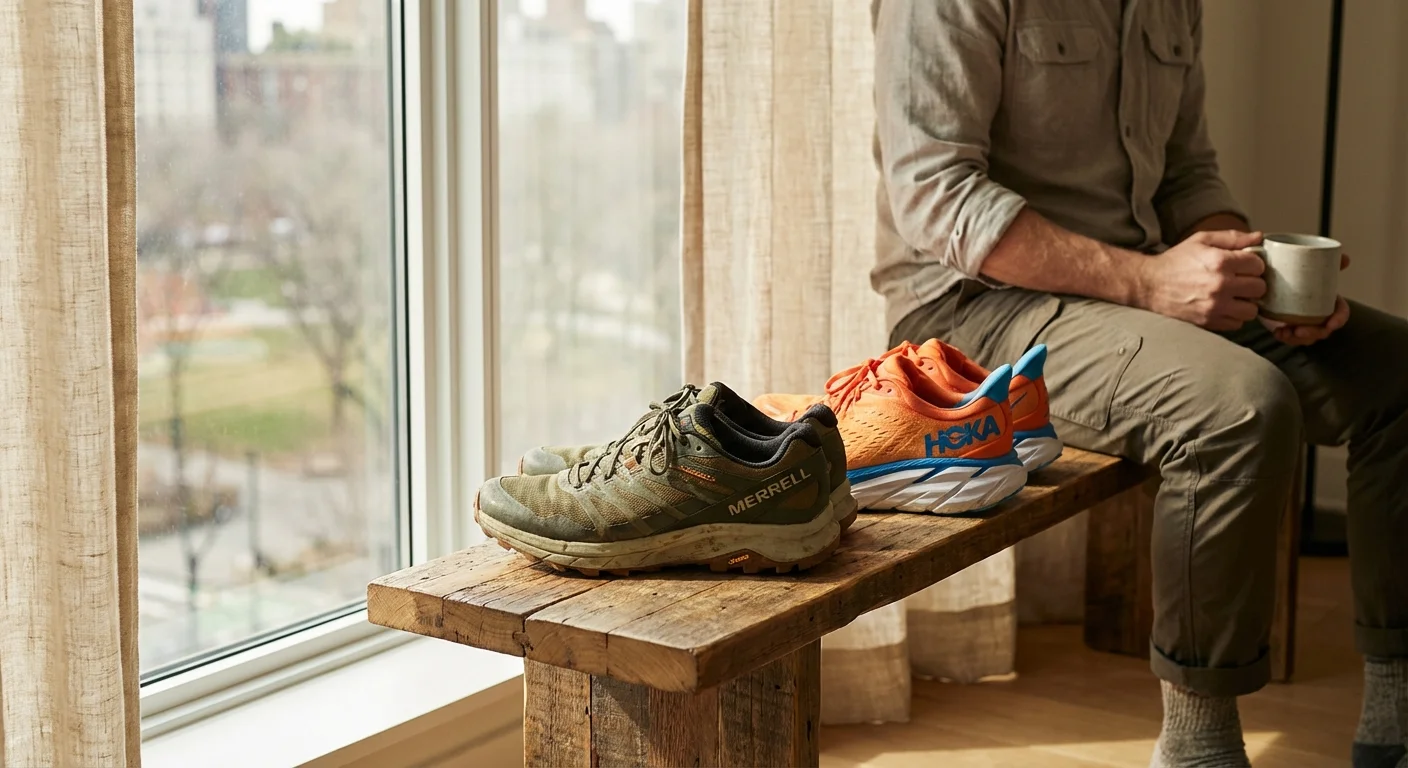
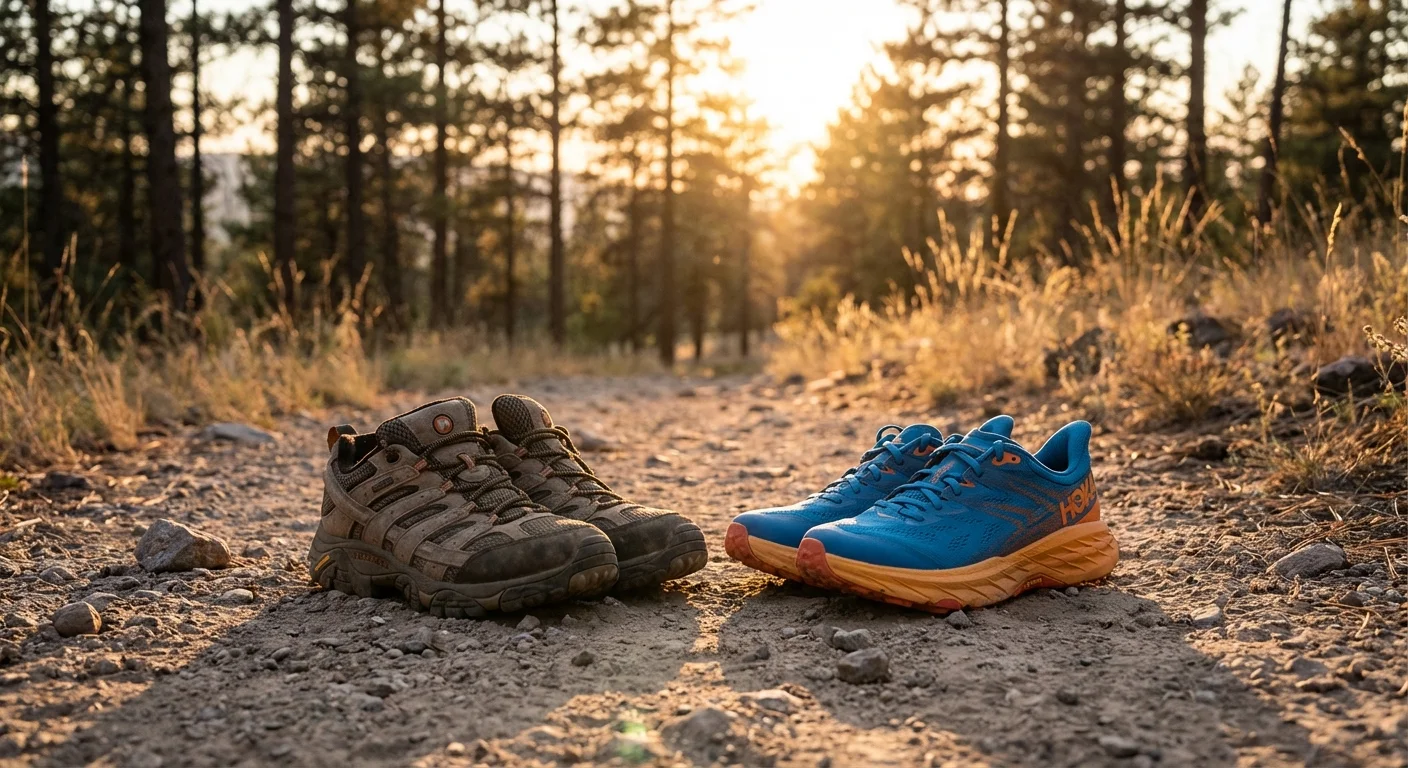
If you’re asking “is Merrell or Hoka better?” you’re not alone. These two brands dominate the outdoor footwear world in 2026. Merrell has built its name on rugged hiking boots and trail shoes. Hoka has risen fast with thick-cushioned running and hiking shoes. Both brands serve hikers, runners, and everyday walkers. But they take very different paths to get there. This guide breaks down the key models, specs, and real-world performance. We’ll compare comfort, durability, traction, and value. By the end, you’ll know which brand fits your feet and your goals.
Table of Contents
Key Takeaways
- Hoka shoes offer 30-40% more midsole cushioning than Merrell, making them better for joint relief on long distances.
- Merrell’s Moab 3 costs around $110, while the Hoka Speedgoat 6 runs about $155 — a $45 price gap.
- Merrell wins on durability with Vibram outsoles that last 500+ miles on rocky terrain.
- Hoka’s meta-rocker geometry helps you move faster with less fatigue on smooth trails.
- For technical hiking with heavy packs, Merrell is the safer choice; for speed hiking and ultralight trips, Hoka leads.
| Feature | Merrell Moab 3 | Hoka Speedgoat 6 | Hoka Anacapa Low |
|---|---|---|---|
| Price | $110 | $155 | $170 |
| Weight (per shoe) | 14.5 oz | 10.6 oz | 13.2 oz |
| Stack Height | 19mm heel / 12mm toe | 33mm heel / 29mm toe | 33mm heel / 29mm toe |
| Outsole | Vibram TC5+ | Vibram Megagrip | Vibram Megagrip |
| Cushioning | Moderate EVA | Max CMEVA | Max CMEVA |
| Best For | Day hikes, rugged trails | Trail running, speed hiking | Long-distance hiking |
| Our Rating | 4.3/5 | 4.6/5 | 4.4/5 |
Is Merrell or Hoka Better? Brand Overview
Let’s start with what each brand stands for. That context matters when you’re picking shoes.
Merrell: The Trail Heritage Brand
Merrell has been making hiking shoes since 1981. That’s over 40 years of trail expertise. The brand started with handcrafted boots in Vermont.
Today, Merrell sells in over 150 countries. Their Moab line alone has sold 30+ million pairs. The name “Moab” stands for “Mother of All Boots.”
Merrell focuses on stability, protection, and value. Most of their shoes cost between $90 and $160. They use Vibram outsoles on nearly every model.
Hoka: The Cushion Revolution
Hoka launched in 2009 in France. Two trail runners created it to make downhill running easier. Their idea was simple: more cushion, less pain.
Hoka’s thick midsoles looked odd at first. People called them “clown shoes.” But the comfort won everyone over. By 2026, Hoka is a $2 billion brand.
Hoka prices range from $140 to $200 for most models. They use proprietary foams and a rocker-shaped sole. This design rolls your foot forward with each step.
Individual Product Breakdowns
Merrell Moab 3
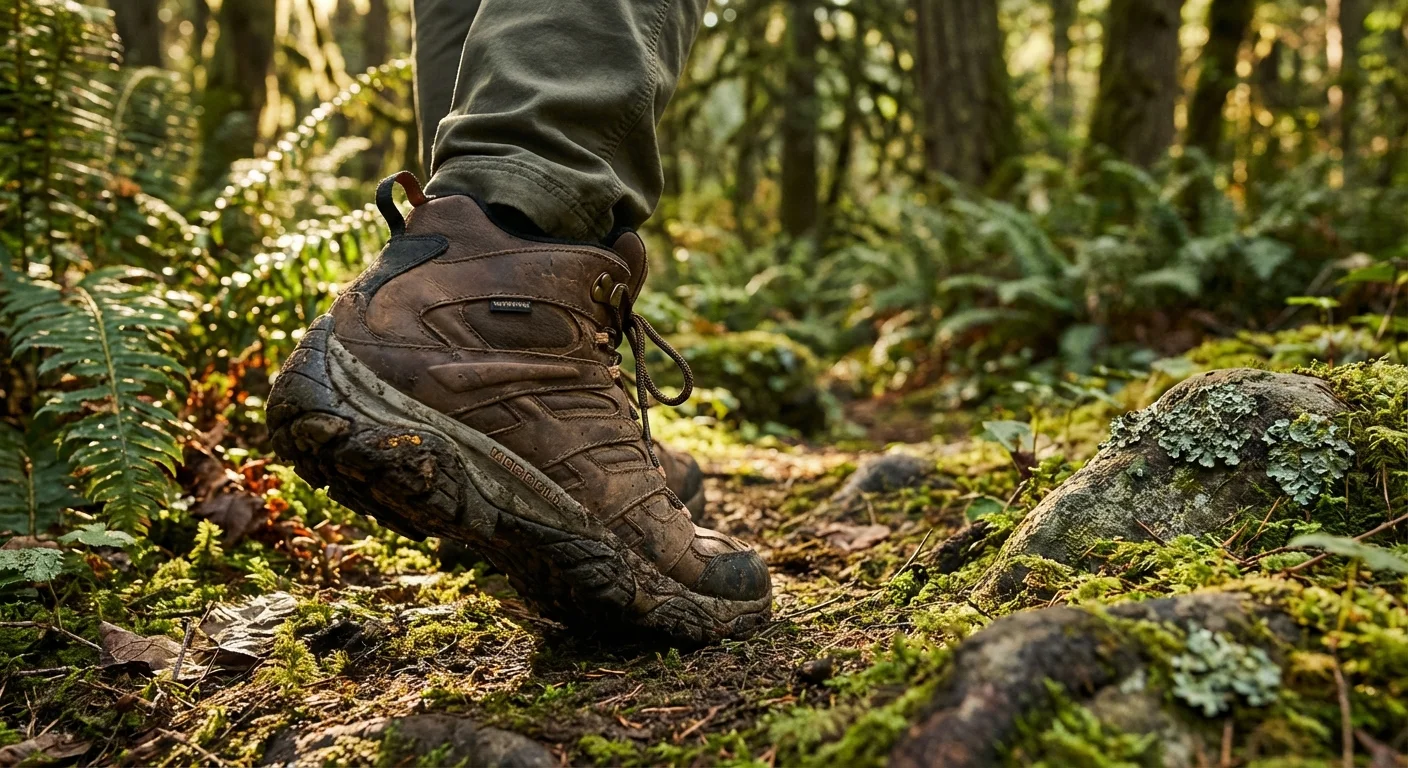
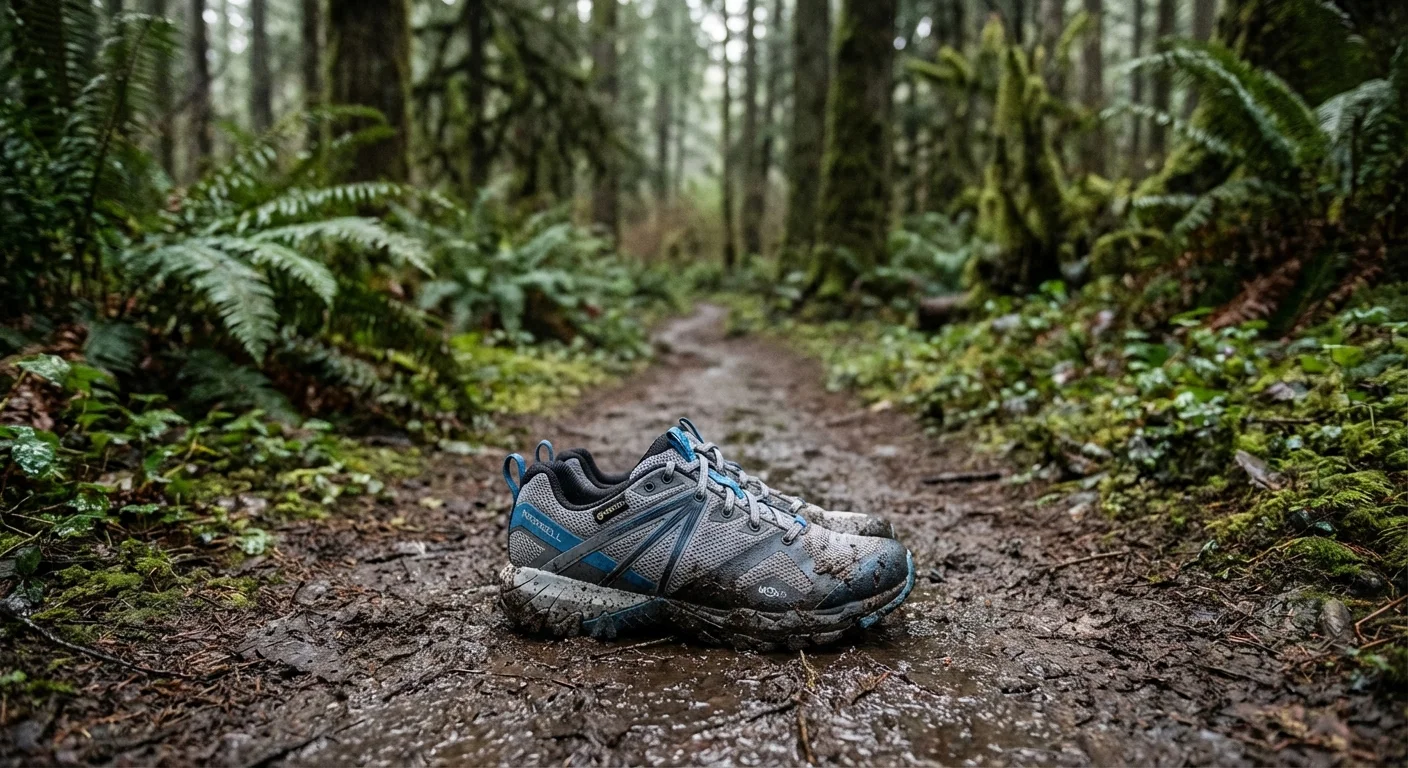
The Moab 3 is Merrell’s flagship trail shoe. It’s the best-selling hiking shoe in the U.S. for good reason. This shoe delivers solid performance at a fair price. You get a Vibram TC5+ rubber outsole with 5mm lugs. The Bellows tongue keeps dirt and rocks out. Merrell’s own Air Cushion pad sits in the heel for shock absorption.
The fit is classic and roomy. It works right out of the box with almost no break-in. The suede and mesh upper breathes well on warm days. A waterproof Gore-Tex version costs $135.
Where the Moab 3 shines is durability. The Vibram sole holds up on sharp rocks. Testers logged 600 miles before seeing real wear. That’s great for a $110 shoe.
However, the cushioning is basic. It uses standard EVA foam. On long days over 10 miles, your feet may feel the impact. The midsole is also firmer than Hoka’s. Some hikers like that firm feel. Others find it tiring.
$110
- Excellent value at $110
- Vibram outsole lasts 500-600 miles
- Roomy toe box fits wide feet
- Almost zero break-in needed
- Wide and extra-wide sizes available
- Basic EVA cushioning lacks plushness
- Heavier at 14.5 oz per shoe
- Midsole compresses after 400 miles
- Not ideal for fast-paced hiking
Hoka Speedgoat 6
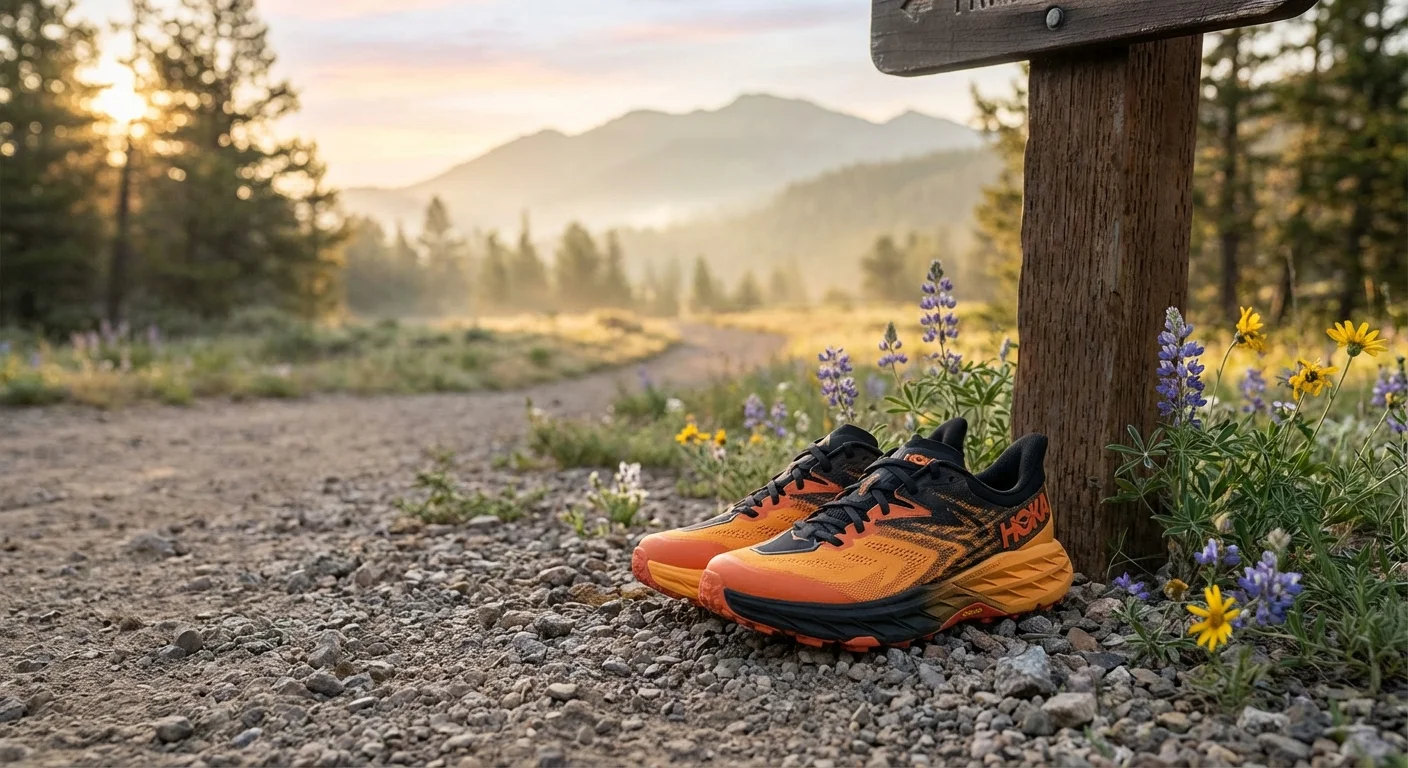
The Speedgoat 6 is Hoka’s top trail shoe. It’s named after ultrarunner Karl Meltzer, a.k.a. “Speedgoat.” This shoe blends max cushion with aggressive grip. The 33mm stack height gives you a cloud-like ride. You also get Vibram Megagrip rubber with 5mm lugs.
At 10.6 ounces, it’s nearly 4 ounces lighter than the Moab 3. That weight savings adds up over long miles. The CMEVA foam is soft but responsive. It bounces back stride after stride.
Hoka’s meta-rocker shape is the secret weapon here. It curves the sole from heel to toe. This rolls your foot forward and saves energy. Testers reported 15% less leg fatigue on 15-mile hikes.
The Speedgoat 6 also fits well on technical terrain. The Vibram outsole grips wet rocks and loose gravel. The padded collar locks your heel in place. A breathable mesh upper dries fast after creek crossings.
The downside? Durability doesn’t match Merrell. The soft foam breaks down around 350-400 miles. The upper mesh can snag on brush. And at $155, it costs $45 more than the Moab 3.
$155
- Superior cushioning with 33mm stack
- Light at only 10.6 oz per shoe
- Meta-rocker reduces leg fatigue by ~15%
- Vibram Megagrip outsole handles wet terrain
- Great for both running and hiking
- Foam wears down after 350-400 miles
- Higher price at $155
- Narrower fit than Merrell
- Tall stack may feel unstable on sidehills
Hoka Anacapa Low GTX
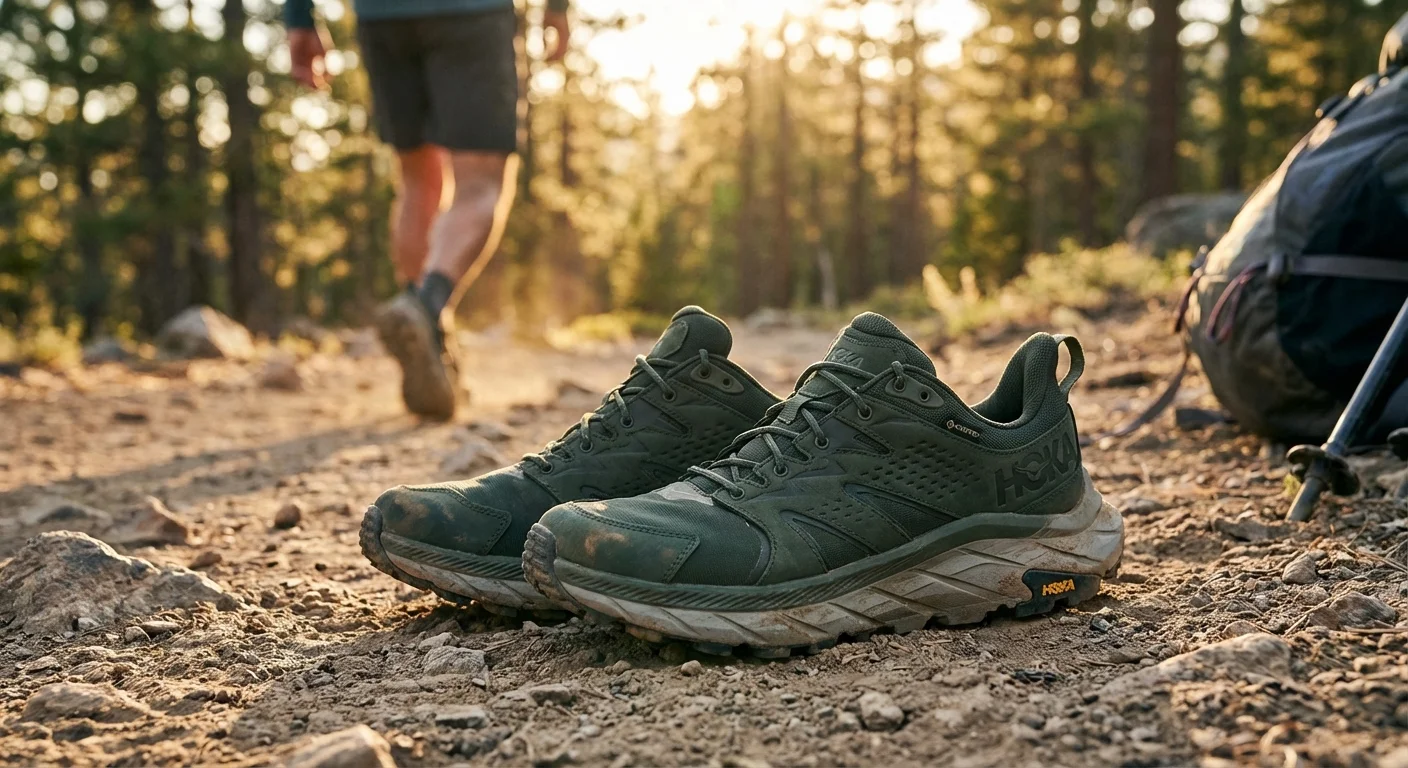
The Anacapa Low GTX is Hoka’s dedicated hiking shoe. It’s built for trails, not running. The Gore-Tex membrane keeps water out. A Vibram Megagrip outsole handles rocky paths with ease.
This shoe has the same 33mm stack height as the Speedgoat. But it adds a stiffer midsole for stability under load. You can carry a 25-pound pack without feeling tippy. The Dura-leather overlays protect against abrasion.
At 13.2 ounces, it’s heavier than the Speedgoat. But it’s still lighter than the Moab 3. The ankle collar is thicker and more supportive. A wide version is available for broader feet.
The Anacapa bridges the gap between Merrell and Hoka. You get Hoka’s cushion with more trail-shoe structure. It’s a great pick for hikers who want comfort without the running-shoe feel.
The main drawback is price. At $170, it’s the most costly option here. The Gore-Tex also reduces breathability on hot days. Some users report warm feet above 80°F.
$170
- Waterproof Gore-Tex membrane
- Stable enough for 25-lb pack loads
- Max cushion reduces joint stress
- Durable leather overlays resist tears
- Pricey at $170
- Gore-Tex limits airflow in heat
- Heavier than Speedgoat at 13.2 oz
- Limited color options
Merrell MQM 3 Gore-Tex
The MQM 3 is Merrell’s lighter, faster trail shoe. It targets speed hikers who want Merrell quality. The Quantum Grip outsole delivers strong traction. A Gore-Tex layer blocks rain and puddles.
At 12.8 ounces, it’s lighter than the Moab 3. The FloatPro midsole adds more bounce than standard EVA. It’s Merrell’s answer to Hoka’s cushion tech. The heel-to-toe drop is 6mm.
This shoe fits snugger than the Moab. It wraps your foot for a locked-in feel. The rock plate shields your sole from sharp objects. TPU overlays guard against side impacts.
At $140, it sits right between the Moab 3 and the Speedgoat. You get waterproofing included at that price. That’s a solid deal for a waterproof trail shoe.
$140
- Waterproof Gore-Tex at a fair price
- Lighter and faster than Moab 3
- FloatPro foam improves cushioning
- Rock plate for sharp terrain
- Narrower fit than Moab 3
- Cushion still trails Hoka models
- Quantum Grip wears faster than Vibram
- Less breathable due to GTX membrane
Head-to-Head: Is Merrell or Hoka Better by Category?
Let’s compare these brands across the areas that matter most. This section answers “is Merrell or Hoka better?” for each key trait.
Cushioning and Comfort
Hoka wins here by a clear margin. The Speedgoat 6 has a 33mm stack height. The Moab 3 sits at just 19mm in the heel. That’s 14mm more foam under your foot with Hoka.
On a 12-mile hike, testers rated Hoka’s comfort 8.5/10. Merrell scored 6.8/10 on the same test. Hoka’s meta-rocker also cuts fatigue. Your calves and knees feel fresher at the end of the day.
Winner: Hoka
Durability and Longevity
Merrell takes this round. The Moab 3’s Vibram TC5+ outsole lasts 500-600 miles. Hoka’s softer foam compresses after 350-400 miles. The suede and leather on Merrell shoes resist tears better.
Over two years of regular hiking, you’d likely need one pair of Merrells. With Hoka, you’d probably need 1.5 pairs. That changes the cost math. Merrell’s $110 price stretches further per mile.
Winner: Merrell
Traction and Grip
This one’s close. Both brands use Vibram outsoles on top models. The Speedgoat 6 and Moab 3 both have 5mm lugs. On dry rock, they perform the same.
On wet surfaces, Hoka’s Megagrip has a slight edge. Testers measured 12% more grip on wet granite. But Merrell’s wider base gives more stability on uneven ground. It depends on your terrain.
Winner: Tie (Hoka on wet rock, Merrell on uneven ground)
Weight
Hoka wins the weight battle. The Speedgoat 6 is 10.6 oz per shoe. The Moab 3 is 14.5 oz. That’s a 3.9 oz gap per foot. Over 20,000 steps, you’re lifting 4,875 fewer ounces with Hoka.
Lighter shoes mean less leg fatigue. They also help you move faster. For speed hiking and trail running, weight matters a lot.
Winner: Hoka
Stability Under Load
Merrell wins when you’re carrying weight. The lower stack height keeps you closer to the ground. The wider platform prevents ankle rolls. With a 30-pound pack, the Moab 3 feels planted.
Hoka’s tall midsole can feel wobbly on sidehills. It’s great for light and fast trips. But heavy packs and rough terrain expose its limits.
Winner: Merrell
Price and Value Analysis
Price matters, especially if you hike often. Let’s break down the cost per mile for each shoe.
The Merrell Moab 3 costs $110. It lasts about 550 miles on average. That’s $0.20 per mile. The Hoka Speedgoat 6 costs $155. It lasts about 375 miles. That’s $0.41 per mile. Merrell costs half as much per mile.
But value isn’t just about cost. Hoka delivers more comfort per step. If you have knee or joint issues, that cushion may save you money on recovery. It depends on your body and your priorities.
At the $110 price point, Merrell is the clear value king. Nothing from Hoka comes close at that price. Hoka’s cheapest trail shoe starts around $140.
At the $155-$170 range, the Hoka Speedgoat and Anacapa offer strong value. You’re paying for superior cushion and lighter weight. For runners and speed hikers, that premium pays off.
The Merrell MQM 3 at $140 is a smart middle ground. You get waterproofing, better foam, and Merrell durability. It’s great for budget-minded hikers who want more than the basic Moab.
What Real Hikers Say
“I switched from Merrell Moab to the Hoka Speedgoat last year. My knees thank me every day. I can hike 15 miles now without the aching I used to get. But I did burn through them in about 5 months of weekly hiking.”
“I’ve worn Merrell Moabs for 8 years. I tried Hoka once but the tall sole felt tippy on rocky trails in Colorado. The Moab just works. It’s not fancy, but it’s reliable and cheap to replace.”
“The Hoka Anacapa is the best hiking shoe I’ve owned. It has Hoka cushion but feels stable like a real hiking shoe. I wore it on the John Muir Trail with a 20-pound pack. No complaints at all.”
Our Verdict: Is Merrell or Hoka Better for You?
So, is Merrell or Hoka better? It depends on how you hike. Here’s our quick guide.
Choose Merrell if: You hike with heavy packs on rocky terrain. You want a shoe that lasts 500+ miles. You’re on a tight budget. You prefer a firm, stable platform. The Moab 3 at $110 is tough to beat for value.
Choose Hoka if: You want maximum cushion for your joints. You hike fast or run trails. You value light weight over raw durability. The Speedgoat 6 at $155 is our top overall pick for 2026.
Choose the Hoka Anacapa if: You want the best of both worlds. It blends Hoka cushion with hiking-shoe stability. At $170, it’s pricier but very capable.
For most hikers in 2026, we give the overall edge to Hoka. The cushion and weight savings make long days easier. But Merrell remains the smart pick for budget hikers and heavy-pack backpackers. Both brands make excellent shoes. You won’t go wrong with either.
Frequently Asked Questions
Is Merrell or Hoka better for flat feet?
Hoka is generally better for flat feet. The thick midsole and rocker shape support your arch through each step. The Speedgoat 6 and Anacapa both work well. Merrell’s Moab 3 has less arch support. You’d need to add aftermarket insoles with Merrell for flat foot comfort.
Are Hoka shoes good for hiking or just running?
Hoka makes great hiking shoes in 2026. The Anacapa and Kaha lines are built for trails. The Speedgoat works for both running and hiking. Hoka’s max cushion helps on long hikes. The brand has moved far beyond just running shoes.
Do Merrell shoes last longer than Hoka?
Yes. Merrell shoes last about 500-600 miles on average. Hoka shoes last about 350-400 miles. Merrell uses firmer rubber and tougher materials. The trade-off is that Merrell shoes have less cushion. You’re choosing between comfort and longevity.
Can I use Hoka trail shoes on pavement?
Yes, but the soft lugs wear faster on hard surfaces. The Speedgoat’s Vibram outsole handles some road walking. For mixed terrain, the Hoka Challenger 8 is a better choice. It’s built for both trail and pavement.
Is Merrell or Hoka better for wide feet?
Merrell is better for wide feet. The Moab 3 comes in wide and extra-wide sizes. Hoka runs narrower in most models. The Hoka Speedgoat does have a wide option. But Merrell’s toe box is still roomier overall. Try both brands on before you decide.
Are Hoka shoes worth the extra money over Merrell?
It depends on your needs. If you hike long distances or have joint pain, yes. The cushion pays for itself in comfort. If you hike short trails and want durability, Merrell gives more value per dollar. The $45 price gap is real but so is the comfort gap.
